.jpg?tr=w-3840,q-100)
Charging from solar
Every AIO comes with a GivEnergy Gateway, the Gateway is able to be connected to an existing solar system, this allows you to monitor your solar system and to manage the recovery of excess energy to be stored in the battery cell. This process can also be automated. You'll also be able to combine both charge from the grid and to recover excess solar during the winter periods, maximising the available savings.
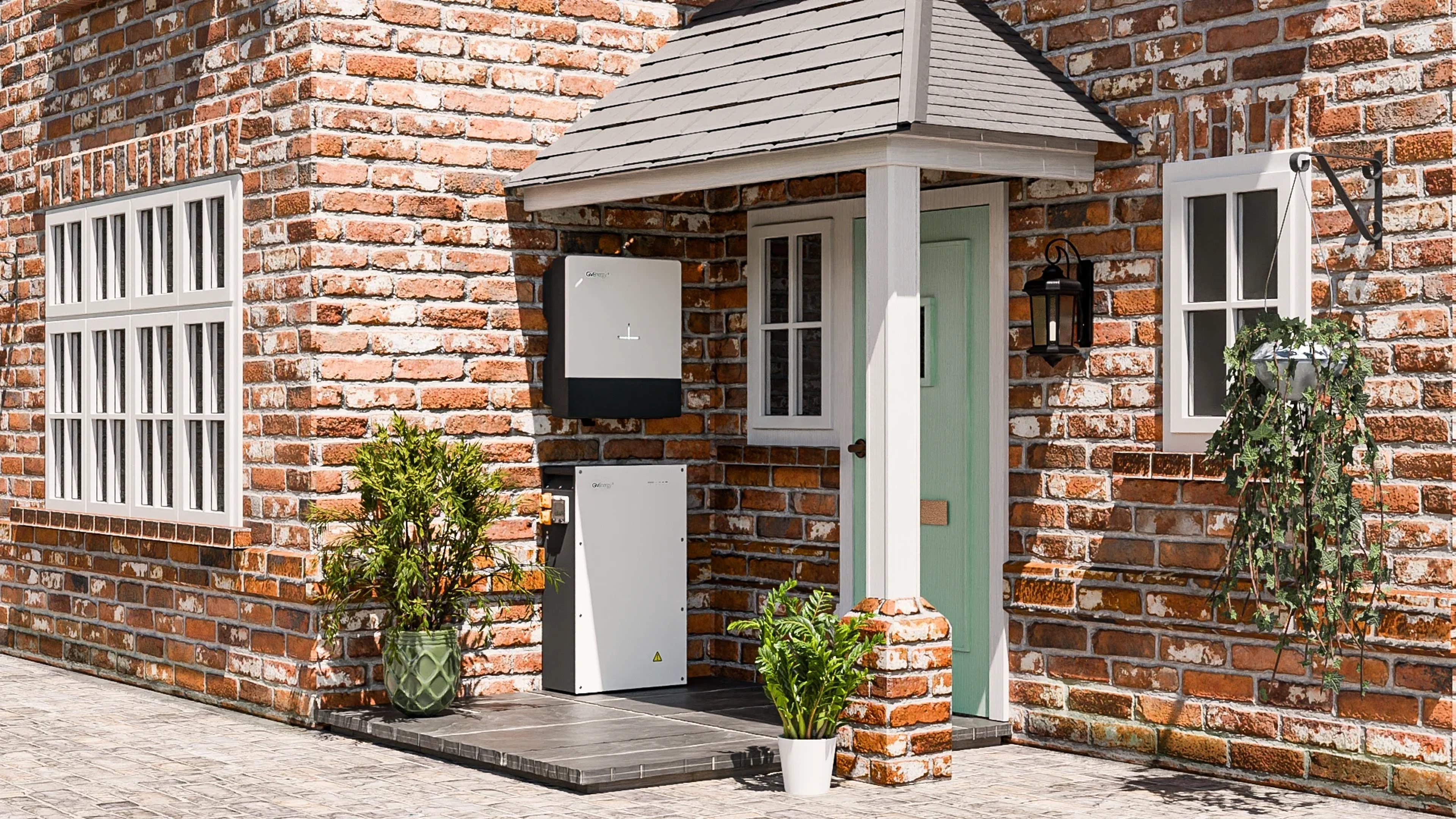

Modular Home Energy Storage
The GivEnergy All In On or AIO as it's known, was launched with the ambition of taking on Tesla's Powerwall 2 but at a keener price point and a longer warranty.The AIO is an AC coupled battery meaning that it is installed separately to a solar system and will still function without solar being present on site. The AIO is a popular choice for those looking to charge their battery on a cheaper, off peak tariff which can save up to £1100 per year.

13.5KWh storage capacity (100% usable capacity)
Backed by a market leading, 12 year warranty
Can be installed with or without solar
Products
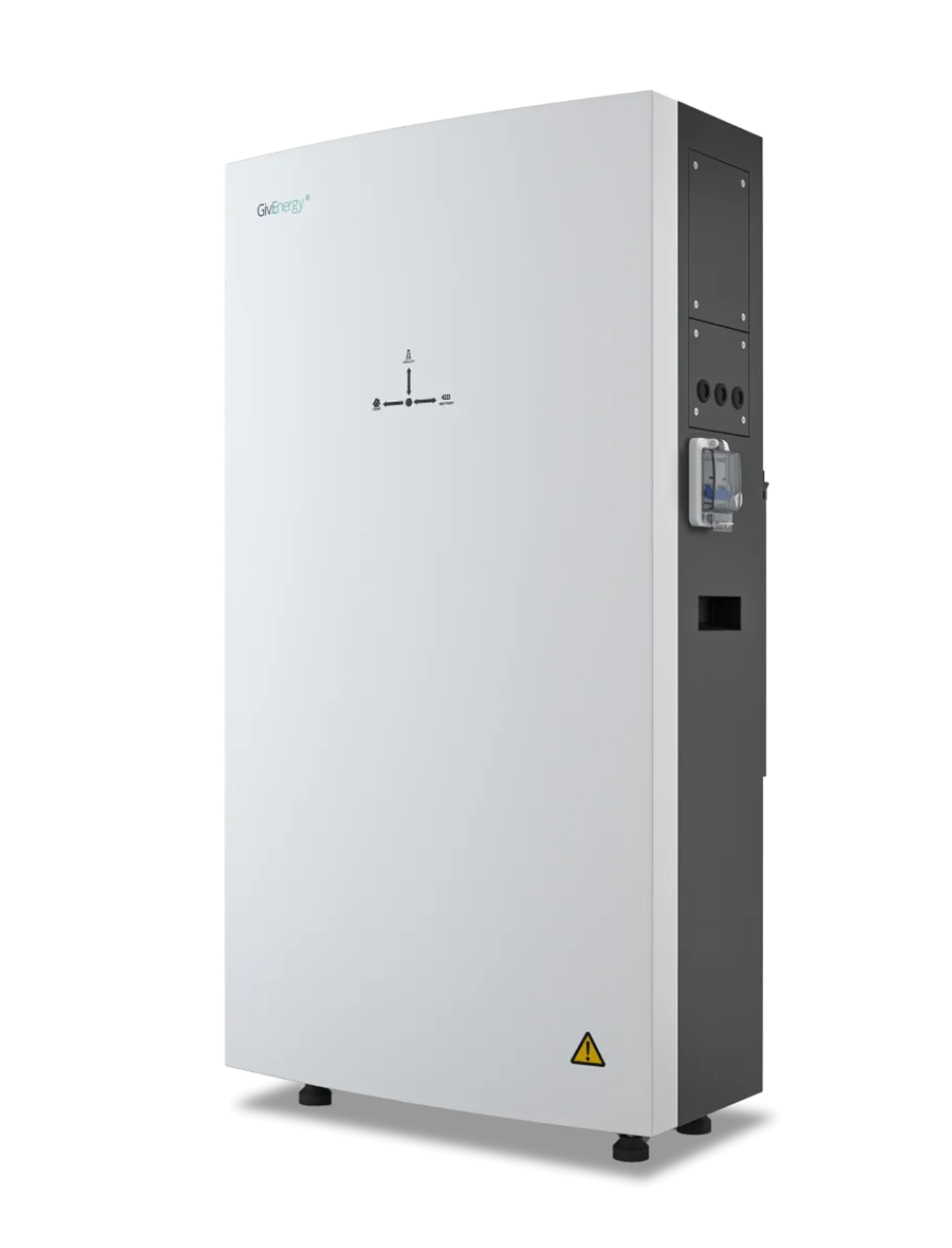
GivEnergy All In One 13.5kWh
- 12 years warranty
- 13.5kWh of raw capacity, from a single battery
- 6.0 version (6000w AC output), IP65 rated
- A super popular, all-in-one battery storage solution
- 12 year warranty for peace of mind performance
Get a battery plus bells & whistles
Our fixed prices are all-inclusive
Battery
0% VAT
Connection
Monitoring
Paperwork
Warranty
Protection

We're MCS certified installers of bill-busting battery storage
You'll be fully protected with a 2 year workmanship warranty
Battery FAQ's
At Heatable, we only install battery storage systems from the best home battery brands.
Our most popular being the all-mighty Tesla Powerwall 3 (we’re one of the UK’s largest installers of Powerwalls, and currently hold a Tesla Premium installer status).
We’re also proud installers of SigEnergy, and Alpha ESS battery storage systems.
If there's a particular battery you’d like to discuss, ask our team.
There's a few different types of battery storage systems, but one clear winner.
In terms of the actual battery technology:
Lithium-ion batteries
The most popular and widely recommended. They offer high efficiency, long lifespans, compact size, and deep usable capacity, but come with a higher upfront cost.Lead-acid batteries
Cheaper but larger, heavier, less efficient, and have much shorter lifespans.Other battery technologies
Such as solid-state, flow, sodium-sulfur, nickel-cadmium, and zinc-bromine exist but are not suitable for domestic use and are mainly used in commercial or grid-scale projects.
And, installation types:
DC-coupled systems
Connect directly to solar panels and are more efficient but cannot charge from the grid and are less suitable for retrofits.AC-coupled systems
More flexible, work well with existing solar setups, allow grid charging, and don’t affect feed-in tariffs, though they cost more.
Yes, we offer a 5 year workmanship warranty on all battery installations.