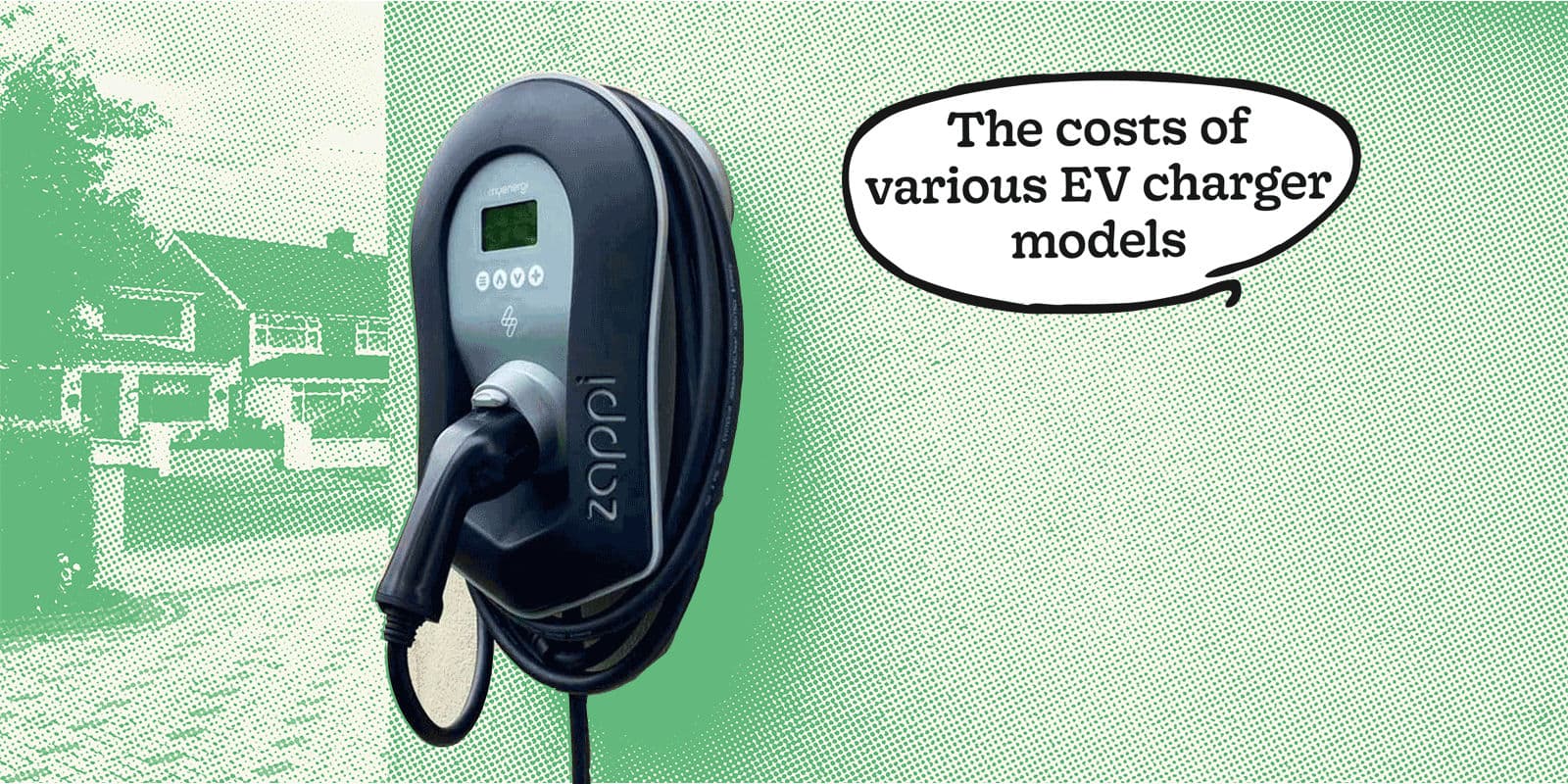

Installing a home EV charger in the UK typically costs around £800 to £1,200 for a standard 7kW home charger installation.
- How much does EV charger installation cost in the UK?
- What is included in a standard EV charger installation?
- What affects the cost of EV charger installation?
- Is a 7kW charger enough for most homes?
- Can you charge an EV from a three-pin plug?
- Are EV charger grants available in 2026?
- Best home EV charger brands in the UK
That price usually includes the charger itself, standard fitting, basic electrical checks and installation by a qualified EV charger installer.
More complex installations can cost £1,200 to £1,500+, especially if you need a longer cable run, groundworks, consumer unit upgrades or extra electrical remedial work.
For most UK homes, a 7kW EV charger is the sensible choice. It is fast enough for overnight charging, works with a typical domestic single-phase electricity supply, and is much quicker and safer than relying on a standard three-pin plug.
Home charging is also where EV ownership starts to make much more financial sense. Energy Saving Trust estimates that a typical full charge costs around £17 at home, compared with around £53 using a public rapid charger. On a cheaper EV or time-of-use tariff, the cost can be lower again.
So, how much does it really cost to install an EV charger at home?
Let’s break it down properly…
Heatable Advantage - Fixed-price quotes, workmanship warranty, seamless Hypervolt installation - get your free quote here. 🔌🚗
🔑 Key Points:
A typical home EV charger installation in the UK costs around £800 to £1,200.
Most UK homes choose a 7kW charger, which is usually the best balance of speed, cost and compatibility.
A standard installation is usually cheaper than a complex installation, where extra cabling, trenching or electrical upgrades are needed.
Charging at home is usually much cheaper than using public rapid chargers.
Government grants are still available for some renters, flat owners, landlords, workplaces and households using approved cross-pavement charging solutions. GOV.UK now lists support of up to 75% of the cost, capped at £500, for eligible renters and flat owners.
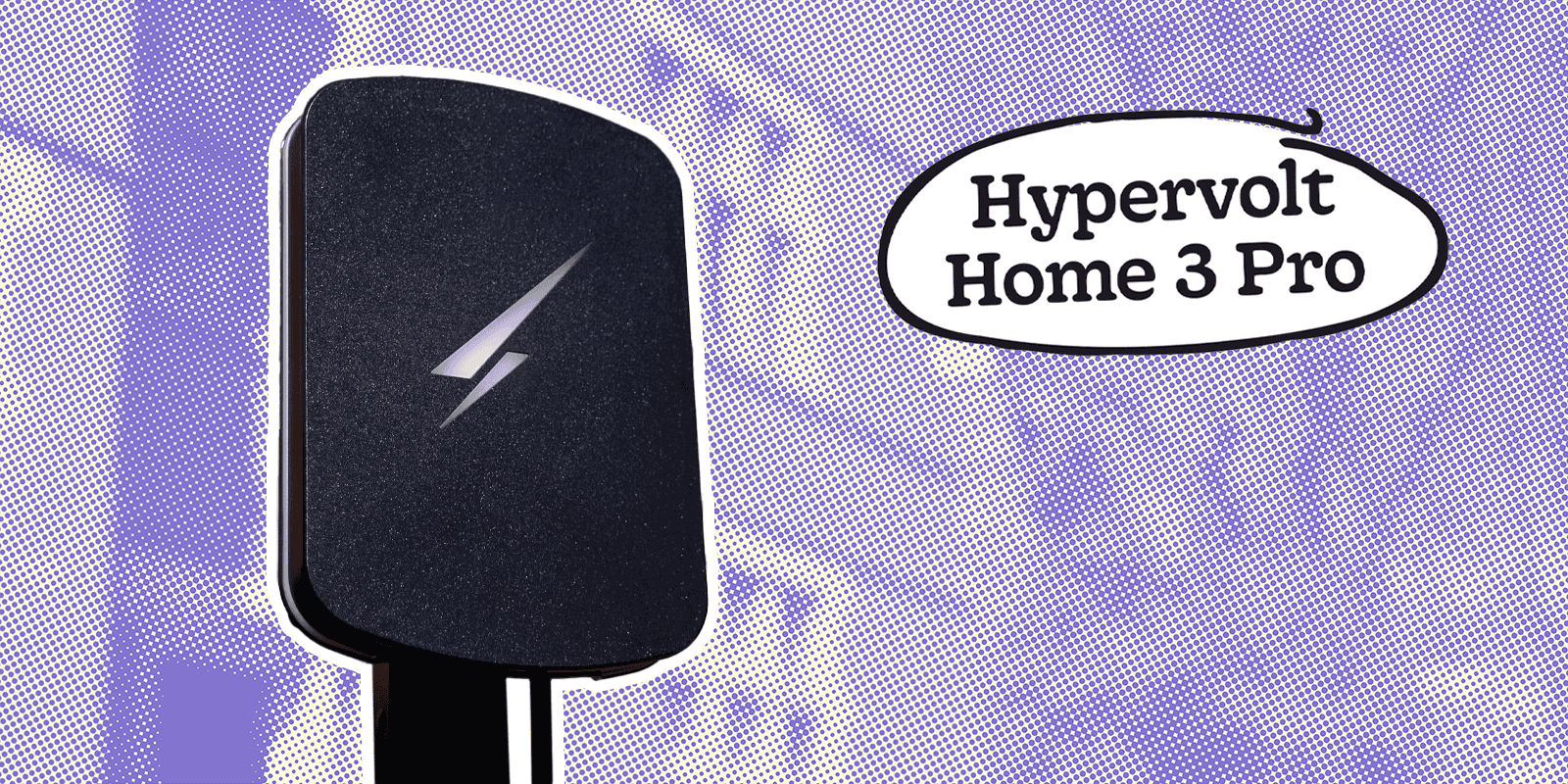
At Heatable, the Hypervolt Home 3 Pro starts from £1,050 including standard installation, giving you a premium 7.4kW smart charger with app control, solar compatibility and a 3-year warranty.
How much does EV charger installation cost in the UK?
For a standard UK home installation, expect to pay:
Item | Typical cost |
7kW home EV charger unit | £450 to £900 |
Standard installation | £350 to £500 |
Typical installed cost | £800 to £1,200 |
More complex installation | £1,200 to £1,500+ |
A straightforward install is usually at the lower end of the range. This normally means your charger can be fitted close to your electricity supply, your consumer unit is suitable, and there are no major complications with access, cabling or groundworks.
Costs rise when the installer needs to run a longer cable, drill through multiple walls, route cables under paving, install additional protection, or carry out remedial electrical work before the charger can be fitted safely.
At Heatable, our Hypervolt Home 3 Pro starts at £1,050, including standard installation and a 3-year warranty to keep you stress-free.
🚙 If your setup’s a bit more “diva” (think extra cabling or upgrades), costs might creep to £1,500, but we’ll always give you a quote as clear as a sunny day in Blackpool.
What is included in a standard EV charger installation?
A standard EV charger installation usually includes:
fitting the charger to an external wall or suitable mounting point
connecting the charger to your electricity supply
a reasonable cable run
basic electrical checks
safety testing
setup of the charger and app
certification and notification where required
Most standard installations assume you already have off-street parking, a suitable consumer unit, and a practical route for the cable.
The key word is standard. If your home needs extra work, the installer should explain this clearly before fitting the charger.
What affects the cost of EV charger installation?
This is the bit many pages gloss over - but it matters.
Not every installation is the same, and a few key variables can push the price up.
1. Charger type
For most homes, 7kW is the standard choice. It’s quick enough for overnight charging and works well with a typical domestic single-phase electricity supply.
A 22kW charger sounds tempting, but most UK homes can’t use one without a three-phase power supply.
If your property doesn’t already have that, upgrading can be expensive and usually isn’t worth it for the average household.
2. Charger brand and features
Some chargers are basic. Others give you:
app control
charging schedules
solar integration
voice assistant compatibility
usage tracking
sleek design
longer tethered cables
Those extras can raise the upfront cost, but they can also make the charger much better to live with long term.
3. Distance from the consumer unit
The further the charger is from your electrical supply, the more cabling, labour and installation time is needed.
That can make a noticeable difference to the final quote.
4. Groundworks and tricky installs
If cabling needs to go under paving, through walls, around outbuildings or across awkward access points, expect the cost to rise.
5. Consumer unit or electrical upgrades
If your fuse box is outdated, full, or not suitable for the new load, remedial electrical work may be needed before the charger can be installed safely.
6. Property type
Detached house with a driveway? Usually easier.
Flat, rental, shared parking setup, or no off-street parking? More hoops, more admin, and potentially more cost.
Is a 7kW charger enough for most homes?
Usually, yes.
For most UK households, a 7kW charger is the clear winner.
It works with standard domestic electricity supplies, charges most EVs comfortably overnight, and gives you the best balance of speed and value.
A 22kW unit is really only suitable if your property already has a three-phase power supply - and most homes don’t.
So unless you’ve got a very specific setup, 7kW is the sensible option.
Can you charge an EV from a three-pin plug?
You can, but it is not ideal as a regular charging method.
A standard three-pin plug is much slower than a dedicated home charger and is not designed to be the main long-term charging solution for most EV drivers.
A proper wall-mounted EV charger is faster, safer, neater and designed specifically for regular electric car charging.
How long does EV charger installation take?
Most standard home EV charger installations take around 2 to 4 hours.
More complex jobs can take longer, especially if extra cabling, drilling, groundworks or electrical upgrades are needed.
Your installer should confirm what is required before installation day.
Are EV charger grants available in 2026?
Yes, but the old universal homeowner grant has ended.
Some support is still available for eligible households, renters, flat owners, landlords, workplaces and homes using approved cross-pavement charging solutions.
EV chargepoint grant for renters and flat owners
GOV.UK says eligible renters and flat owners can get 75% off the cost of buying and installing a chargepoint, up to a maximum of £500. You must meet the eligibility criteria, including having private off-street parking.
Households with on-street parking
There is also support for eligible households using an approved cross-pavement charging solution, such as a charging gully. GOV.UK lists support of up to £500 for eligible households.
Workplaces and landlords
Workplace and landlord schemes remain available in some cases, but the rules vary by scheme and can change. Check GOV.UK before making a decision, and make sure your installer and chargepoint are eligible.
Best home EV charger brands in the UK
There are a few strong players in the UK market, and most buyers end up comparing the same names.
Brand | Model | Price (with Installation) | Key Features | Warranty |
Hypervolt | Home 3 Pro | £1,050–£1,150 | Smart app, solar integration, 7.4kW, tethered, sleek design, Alexa-compatible | 3 years |
Pod Point | Solo 3 | £798–£1,249 | 3.6kW–22kW options, smart app, reliable, OZEV-approved | 3 years |
Ohme | ePod/Home Pro | £925–£975 | Smart tariff integration, compact, tethered/untethered options | 3 years |
Myenergi Zappi | Zappi | £999–£1,299 | Solar/wind integration, eco-friendly, robust build, tethered/untethered | 3 years |
Easee | Easee One | £987–£1,200 | Compact, smart features, PEN fault protection, no earthing rod needed | 3 years |
Why Hypervolt’s the Bee’s Knees
The Hypervolt Home 3 Pro is British-made brilliance, like a cuppa brewed to perfection. With 7.4 kW charging, a 7.5m tethered cable, and solar integration, it’s a dream for eco-warriors.
It's a smart app lets you schedule charging for when electricity’s cheaper than chips, and it works with Type 2 connectors for most EVs.
“This thing is bulletproof - it’s ready for whatever the British weather throws at it.” - Ben Price, Heatable Co-Founder.
Available in white, black, or grey, it’s as smart on the outside as it is on the inside. At Heatable, we rate it for its no-fuss setup and user-friendly design, because let’s be honest, no one’s got time for a charger that makes life harder.
🎥 See it in action! Check out our Heatable video review for a hands-on look at the Hypervolt Home 3 Pro:
Is a home EV charger worth it?
For most EV drivers with off-street parking, yes.
A home charger gives you:
cheaper charging
overnight convenience
faster charging than a three-pin plug
smart scheduling
better control over energy usage
less reliance on public charging
a neater and safer setup
If you drive regularly and can charge at home, installing a dedicated EV charger is usually one of the most useful upgrades you can make after buying an electric car.
Get a fixed-price EV charger installation quote
At Heatable, we make EV charger installation simple.
You can get a fixed-price quote online, choose your installation date, and have your Hypervolt Home 3 Pro installed by an approved professional.
No confusing call-outs. No vague estimates. No “we’ll see on the day” nonsense.
Just a premium smart EV charger, installed properly.
Get your free EV charger installation quote today.
Next Steps For Your EV Charger Journey:
When planning to install an EV charger for your home, there are several important factors to consider. Make sure to refer to the following guides to help you make informed decisions:
To dive deeper into these topics, head over to our advice section or check out our YouTube channel for informative videos.
Disclaimer: Costs and grant eligibility vary based on your setup. Check with your installer and DNO for the full scoop.