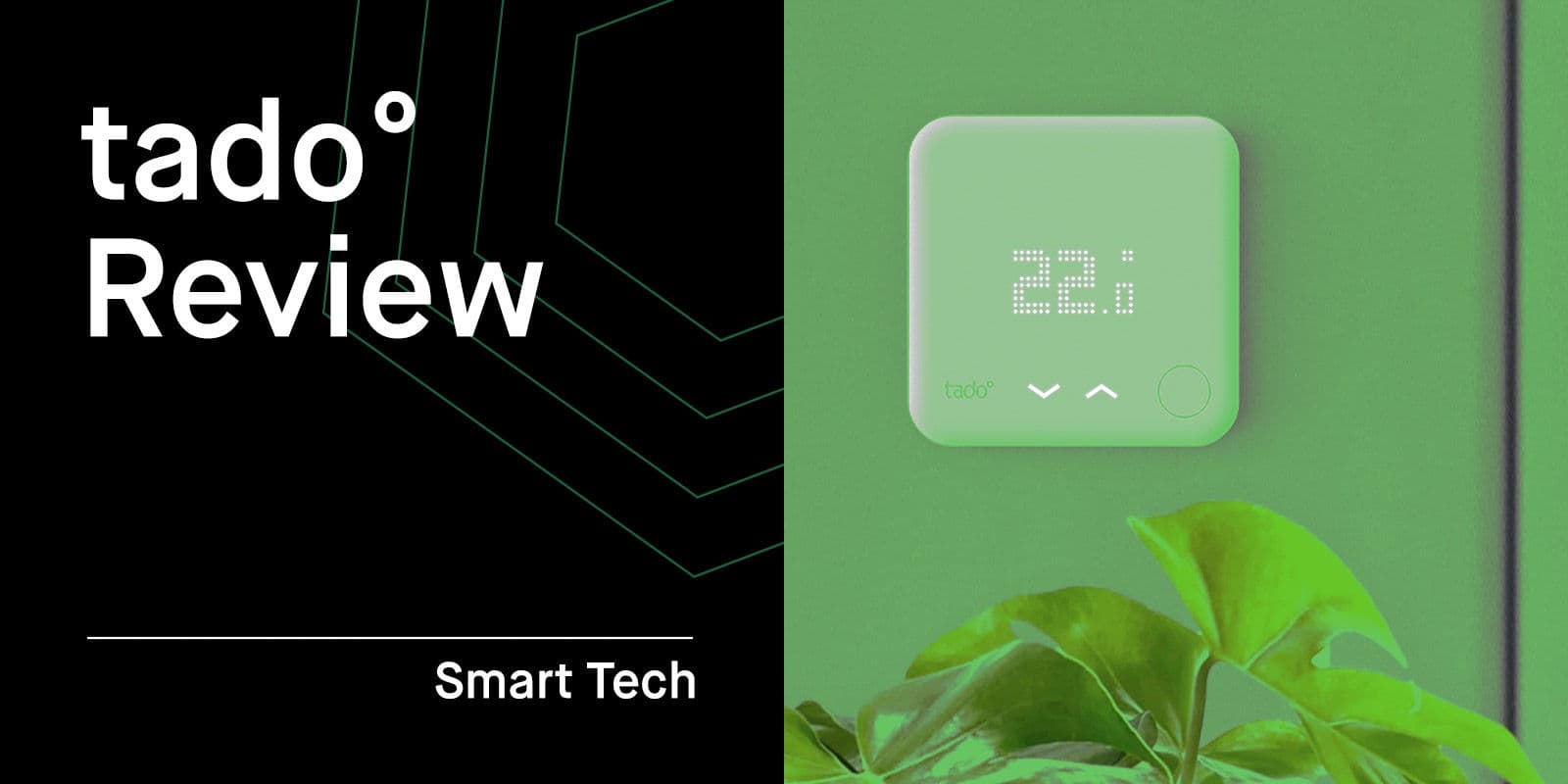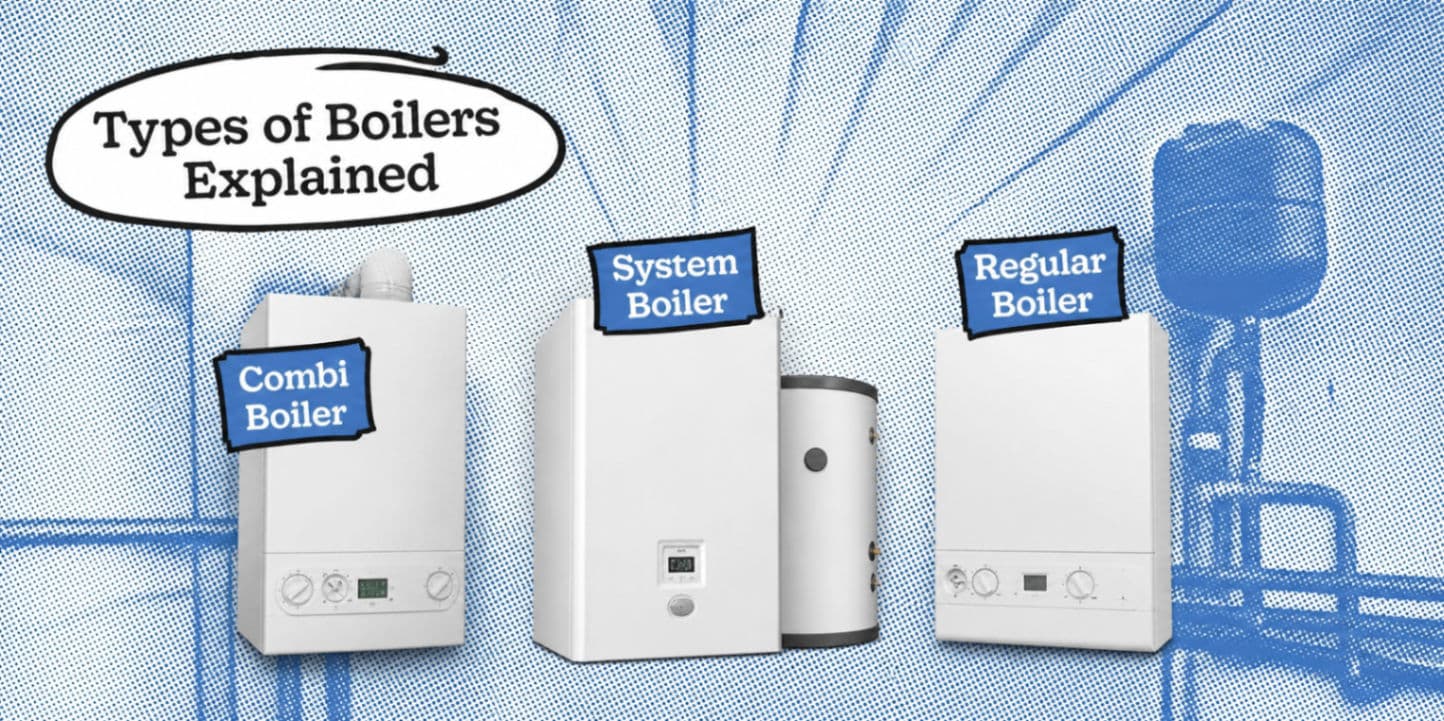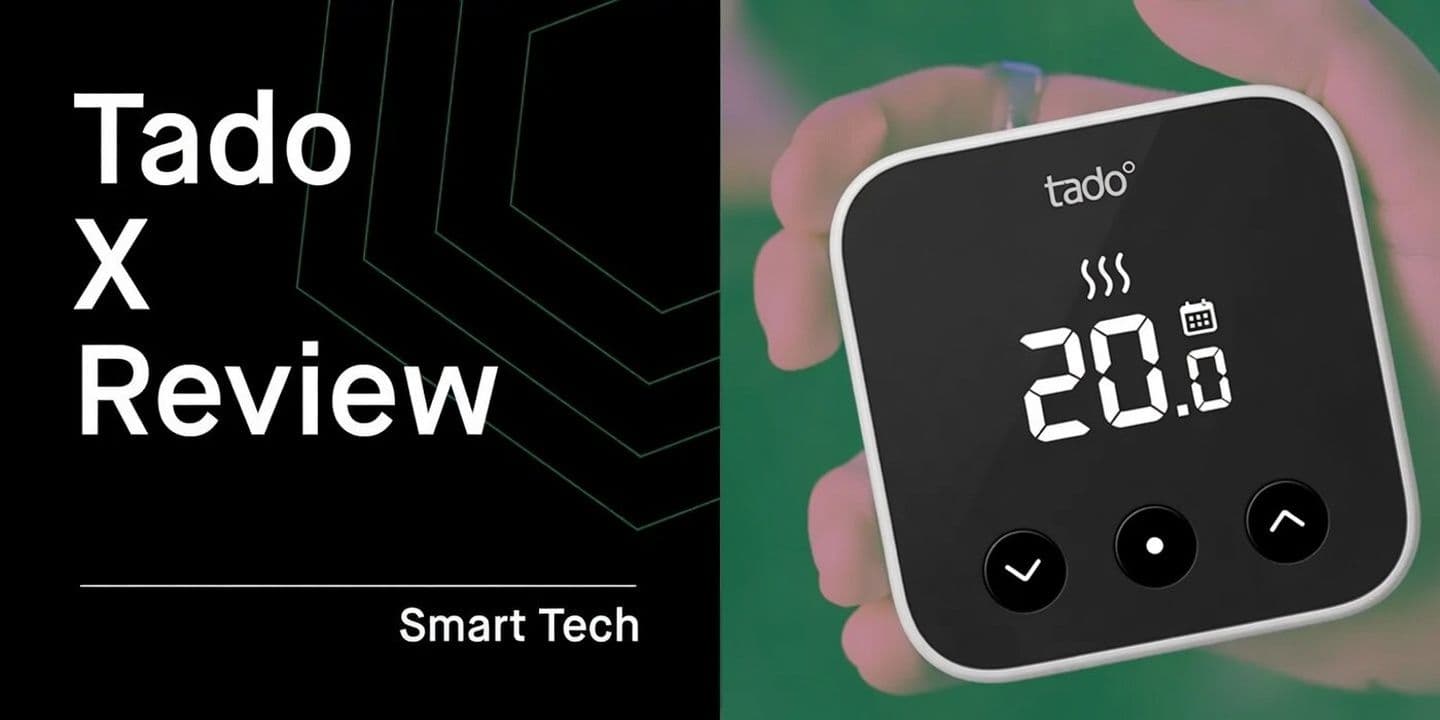

If you’ve been looking at smart thermostats recently, you’ve probably noticed one thing - Google Nest has effectively disappeared from the UK market.
- What Is tado° X?
- What's New With tado° X 2nd Gen?
- tado° X 2nd Gen vs 1st Gen
- What Comes in the Box?
- How Much Does tado° X 2nd Gen Cost?
- Installation: Easier Than You Might Expect
- The Big Upgrade: Matter Over Thread
- Features That Actually Matter
- The Catch: Subscription Features
- Everyday Performance
- tado° X Pros and Cons
- Is tado° X 2nd Gen Worth It?
For years, Nest was the benchmark for smart heating.
It looked good, felt premium and did considerably more than simply let you turn your boiler on from your phone.
But with the Nest Learning Thermostat no longer the obvious choice for UK homeowners, there has been a fairly sizeable gap at the premium end of the smart thermostat market.
tado° X was already one of the strongest candidates to fill it.
Now tado° has gone back for round two.
Launched in September 2026, the tado° Smart Thermostat X 2nd Gen takes the Matter-over-Thread platform introduced with the original X and gives the hardware a substantial redesign.
It is thinner, cleaner, rechargeable and considerably nicer to interact with directly. There is a new touch-sensitive light ring, an improved LED matrix display and a programmable shortcut button.
Importantly, though, tado° hasn't ripped everything up and started again.
The original tado° X ecosystem remains, existing X products work with the new generation, and most of the underlying smart heating technology is familiar.
So, is this genuinely a better smart thermostat, or has tado° essentially put its existing technology into a prettier box?
Here's what you need to know.
🎥 Prefer video? Watch our full YouTube review below:
What Is tado° X?
The tado° X 2nd Gen is tado°'s latest smart heating control system, designed for boilers, heat pumps and water-based underfloor heating.
Depending on your heating system, you can choose between wired and wireless versions and then expand the system using products such as Smart Radiator Thermostats X.
That allows tado° to go considerably further than a conventional thermostat.
The easiest way to understand why is to look at the three broad levels of heating control available to homeowners.
Level 1: Basic control
This is your standard manual or programmable room thermostat. Functional, familiar, and not particularly clever.
Level 2: Connected control
This is where you get app access. You can turn your heating on and off from your phone, adjust temperatures remotely, and feel vaguely futuristic.
Level 3: Proper smart heating
This is where Nest built its reputation - and where tado° X is now aiming.
We’re talking about smart connectivity, room-by-room control, automation, learning behaviour, and actual energy-saving intelligence.
That’s what makes tado° X more interesting than a lot of cheaper competitors. It isn’t just trying to put your boiler on your phone. It’s trying to make your heating system work better.
What's New With tado° X 2nd Gen?
If you already know the original tado° X, don't expect an entirely new heating platform.
The biggest changes are to the thermostat itself.
1. It's much thinner
The new thermostat measures just 17.8mm deep.
That's noticeably slimmer than the previous generation and gives it a much cleaner profile once mounted on the wall.
This sounds cosmetic, because it largely is, but thermostats sit on your wall for years. Design matters.
Nest understood that better than almost anybody, and tado° increasingly seems to understand it too.
2. There's a new light ring
The front now features a circular touch-sensitive light ring.
Rather than relying entirely on the app, you can make quick changes directly from the thermostat using a much more intuitive physical interface.
It's a surprisingly sensible addition.
Smart-home manufacturers occasionally become so obsessed with apps that they forget somebody standing next to the thermostat should also be able to use it.
3. The display has been redesigned
You now get an LED matrix display capable of showing both the room temperature and humidity.
Again, hardly revolutionary.
But combined with the light ring, it makes the thermostat considerably more useful as a standalone device rather than merely a physical extension of the app.
4. There's a new shortcut button
A button on top of the thermostat gives quick access to commonly used actions.
You can configure it to do things such as:
resume your heating schedule
boost the heating
display room humidity
Press it once to wake the thermostat and again to trigger your chosen shortcut.
Simple, but useful.
5. The battery is rechargeable
This might be our favourite practical change.
The new thermostat uses a built-in rechargeable battery rather than requiring disposable replacements.
tado° says it should only need charging roughly once per year, so plugging it into USB-C before each heating season should see you through winter.
That's much tidier.
tado° X 2nd Gen vs 1st Gen
Here's where things get interesting.
The second-generation thermostat is undoubtedly nicer, but this isn't the sort of generational leap you might see between completely different smart-home platforms.
Feature | tado° X 1st Gen | tado° X 2nd Gen |
Matter support | Yes | Yes |
Thread | Yes | Yes |
Smart scheduling | Yes | Yes |
Room-by-room control | Yes | Yes |
AI Assist compatibility | Yes | Yes |
Rechargeable battery | No | Yes |
New light-ring interface | No | Yes |
Temperature + humidity display | More basic | Improved LED matrix |
Shortcut button | No | Yes |
Thickness | Thicker | 17.8mm |
Compatible with other X devices | Yes | Yes |
And that's actually good news for anybody who bought tado° X recently.
The first-generation system hasn't suddenly become obsolete.
The original X already introduced the major technical changes, particularly Matter and Thread.
Second generation is more about taking that platform and improving the actual hardware you interact with.
Even better, first and second-generation tado° X products can be used together.
So you don't need to replace your entire heating setup just because tado° has released a nicer thermostat.
There is one important compatibility warning, though.
tado° X still doesn't work with V3+
tado° X uses a fundamentally different communication platform from tado° V3+ and earlier generations.
That means you cannot mix V3+ and X devices within the same tado° Home.
So:
tado° X 1st Gen + tado° X 2nd Gen: yes
tado° X + tado° V3+: no
If you're already heavily invested in V3+, that's something to consider before starting an X upgrade.
What Comes in the Box?
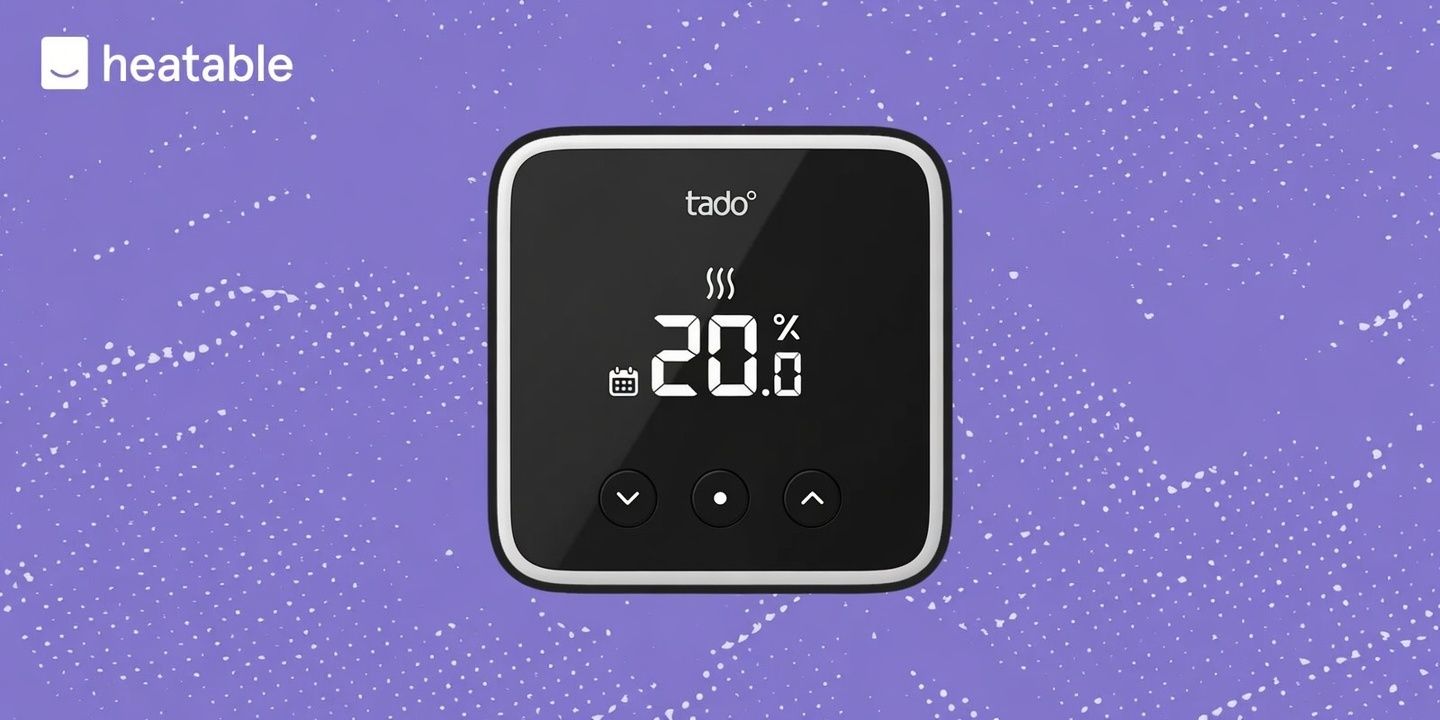
The version most people will look at is the Wireless Smart Thermostat X Starter Kit.
Inside the box, you’ll typically get:
the wireless thermostat
the receiver
a mounting kit
setup instructions through the app
First impressions are strong. The packaging is clean, tidy, and properly premium - very much the sort of presentation Nest used to nail.
That matters more than people think. When you’re spending proper money on heating controls, you want it to feel like a quality upgrade, not just another plastic box for the wall.
The thermostat itself looks smart, modern, and minimal without trying too hard.
How Much Does tado° X 2nd Gen Cost?
This remains a premium smart thermostat.
At launch, tado°'s UK pricing is:
Wireless Smart Thermostat X 2nd Gen Starter Kit: £169.99
Wired Smart Thermostat X 2nd Gen Starter Kit: £159.99
Wired Smart Thermostat X 2nd Gen: £109.99
Wireless Temperature Sensor X 2nd Gen: £89.99
Smart Radiator Thermostat X: around £59.99 at the time of writing
Bridge X: around £49.99 at the time of writing
Prices and promotions naturally change, so it's worth checking the latest offers before buying.
And there is currently an interesting complication.
The original tado° X is cheaper
At the time of writing, tado° is discounting several first-generation products.
That makes the old generation considerably more attractive than it was before.
For example, the first-generation wired thermostat has recently been available considerably cheaper than its second-generation replacement.
And that's where our recommendation becomes slightly more nuanced.
The 2nd Gen is clearly the better thermostat, but the 1st Gen may currently be the better-value thermostat.
If you're building a complete multi-room system, the difference can add up.
A single-zone tado° installation isn't outrageously expensive.
Start adding smart radiator valves across several bedrooms, bathrooms and living spaces, however, and it's very easy for the price to climb into several hundred pounds.
Installation: Easier Than You Might Expect
One of the biggest wins for tado° X is that installation is surprisingly approachable.
The app takes you through the process step by step, and it’s far more polished than a lot of heating products we’ve seen.
If you’re swapping out radiator valves, there’s no plumbing involved, which makes things much less intimidating. If you’re wiring in the receiver, it’s still manageable for a confident DIYer.
That said, don’t be daft - if you’re not comfortable around electrics, get a professional in.
The bigger point is that this doesn’t feel like one of those smart home products that promises simplicity then immediately sends you into a spiral of error codes and frustration.
The setup process is logical, guided, and clearly built for normal homeowners rather than tech obsessives.
Related thermostat reading:
The Big Upgrade: Matter Over Thread
This is the bit tado° really wants you to care about - and to be fair, it’s a meaningful upgrade.
tado° X uses Matter-over-Thread, which sounds like the sort of phrase smart home companies love because it makes normal people’s eyes glaze over.
Put simply, it means the system is designed to be:
faster
more reliable
better connected
more future-proof
Thread creates a mesh-style network between devices, which is especially useful in bigger homes.
Rather than relying on one flaky connection point, devices help strengthen the network between themselves. In practice, that means faster reactions and fewer dropouts.
Matter support also makes tado° X easier to use with platforms like:
Apple Home
Google Home
Amazon Alexa
SmartThings
That’s a real step forward from older systems that often felt more locked into their own ecosystem.
Features That Actually Matter
Plenty of smart thermostats list loads of features. Fewer make a convincing case that you’ll genuinely use them.
tado° X mostly gets this right.
[1] Smart scheduling
You can create heating schedules that actually reflect how your home works, rather than blasting the whole place at the same temperature all day.
[2] Room-by-room control
Add smart radiator valves and you can control individual rooms separately.
That’s one of tado°’s strongest selling points, especially if your home heats unevenly or you don’t want to waste money warming rooms nobody’s using.
[3] App control
You can make quick changes, boost the heating, tweak schedules, and keep tabs on what’s happening from your phone. The app is clean, clear, and easy to use.
[4] Geofencing
The system can tell when you’ve left home and reduce heating automatically.
[5] Open Window Detection
If it senses a sudden drop in temperature, it can respond accordingly rather than continuing to heat the room like nothing’s happened.
[6] Adaptive Heating
This is where tado° tries to move into “properly smart” territory. It learns how your home warms up and helps optimise timings so you get comfort without unnecessary waste.
[7] Boiler and heat pump support
tado° X works with a wide range of systems and is positioned well for homes looking beyond basic combi boiler setups.
The Catch: Subscription Features
This is where the review needs to be honest.
The hardware is good. The app is good. The system is clever. But some of the most useful automation features are behind a paid subscription.
That includes things like:
automatic geofencing
automatic open window actions
AI-powered heating optimisation
The subscription currently sits at roughly £3.99 per month or £29.99 per year, and whether that annoys you will depend on your tolerance for yet another monthly fee.
Some people won’t mind. If it saves money and removes hassle, fine.
Others will look at a £159 thermostat and fairly ask why more of that functionality isn’t included from the start.
That’s probably the biggest weakness in the whole tado° X proposition.
Everyday Performance
Day to day, tado° X is genuinely impressive.
This is where the newer tech starts to make sense. Commands are fast. Changes in the app happen quickly.
The system feels stable. And compared with older smart heating products, there’s much less sense that you’re wrestling with the technology.
The overall user experience is slick enough that it fades into the background - which is exactly what you want from heating controls.
You don’t want to think about them. You just want your house to be warm when it should be, cooler when it shouldn’t, and cheaper to run where possible.
The room-by-room control is particularly good in practice. If your home has one boiling bedroom, one freezing office, and a living room that never seems to settle, this is where tado° X starts to earn its keep.
tado° X Pros and Cons
Pros:
Premium design and packaging
Strong app experience
Fast, responsive controls
Matter and Thread make it feel genuinely modern
Excellent room-by-room heating potential
Easier setup than many rivals
One of the closest things to a proper Nest replacement in the UK
Cons:
Subscription needed for some of the smartest automation features
Can become expensive if you go all-in on multiple rooms
Not compatible with older tado° V3+ hardware
Might be more system than some smaller homes really need
tado° X vs tado° V3+
If you’re deciding between tado° X and tado° V3+, the answer is pretty straightforward.
If you’re buying new, get tado° X.
It’s quicker, better connected, more future-proof, and clearly where tado° is putting its focus.
If you already own tado° V3+ and it’s working perfectly well, the need to upgrade is much less urgent.
You’re not suddenly stuck with a bad product. But the X range is the better platform going forward, and that matters if you want the latest compatibility and best possible performance.
So the simple version is this:
New buyers: go for tado° X
Existing V3+ users: upgrade only if you want the newer ecosystem or better responsiveness
tado° X vs Hive and Nest
Against Hive, tado° X feels more advanced, more flexible, and much stronger for multi-room setups. Hive is simpler, but it doesn’t really compete on intelligence or zoning.
Against Nest, things are more interesting.
Nest used to be the thermostat everyone compared everything else to. In the UK, that’s no longer as relevant as it once was - which gives tado° X a real opening.
And honestly, if you’re asking what replaces Nest in the UK, tado° X is one of the best answers right now.
It has the premium feel, the stronger smart home compatibility, the advanced heating control, and the modern platform. Nest still has the legacy reputation, but tado° X looks much more like the product built for what comes next.
Is tado° X 2nd Gen Worth It?
Yes. If you're buying into tado° X for the first time, the second-generation thermostat is the one we'd choose.
It takes an already strong smart heating platform and fixes one of the few things that still felt slightly behind the technology inside it: the physical thermostat.
The new model is slimmer, cleaner and much nicer to interact with.
The rechargeable battery makes more sense.
The light ring makes manual control easier.
And showing temperature and humidity directly on the device makes it feel more useful even when your phone is nowhere nearby.
But there's an important caveat.
Don't confuse "newer" with "completely different"
The original tado° X already gave you the most important technological upgrades.
Matter.
Thread.
Smart scheduling.
Room-by-room control.
AI Assist.
The second generation refines that platform rather than replacing it.
That's why we'd divide buyers into three groups.
Buying tado° for the first time?
Get tado° X 2nd Gen.
You're buying hardware that might be on your wall for the next decade. The relatively modest saving from choosing the older thermostat is unlikely to outweigh having the newer design and rechargeable battery over that period.
Already own the original tado° X?
Keep it.
There is little reason to throw away perfectly good first-generation equipment.
The two generations work together, so simply add second-generation hardware when you eventually expand your system.
Found the original tado° X heavily discounted?
Then things become much closer.
Because the core smart-heating platform is essentially the same, a substantial first-generation discount can make it the better-value buy.
That's particularly true if you're trying to equip several rooms at once.
Final Verdict
tado° X 2nd Gen is probably the most complete version of tado°'s smart heating system yet.
It doesn't reinvent the X platform.
It doesn't need to.
Matter and Thread already made the original tado° X one of the most technically convincing smart thermostat systems available in the UK.
What tado° has done with the second generation is make the bit hanging on your wall finally feel every bit as polished as the technology behind it.
The 17.8mm body, rechargeable battery, new display, light-ring controls and shortcut button are individually fairly small improvements.
Together, they make the thermostat considerably nicer.
We also particularly like that tado° hasn't punished existing customers.
Original X and second-generation X products work together, meaning you can upgrade gradually rather than throwing an entire smart heating system in the bin.
Our biggest criticism remains the subscription.
Charging £29.99 per year for AI Assist isn't outrageous, particularly if its automation genuinely cuts energy use, but we'd still prefer more of those features to be included with already-premium hardware.
Even so, that isn't enough to undermine the wider package.
If you're starting a smart heating system today and want proper room-by-room control, strong automation and modern smart-home connectivity, tado° X 2nd Gen is one of the best options currently available in the UK.
And if you've spent the last couple of years wondering what replaces Nest?
This is probably as close as we've come.