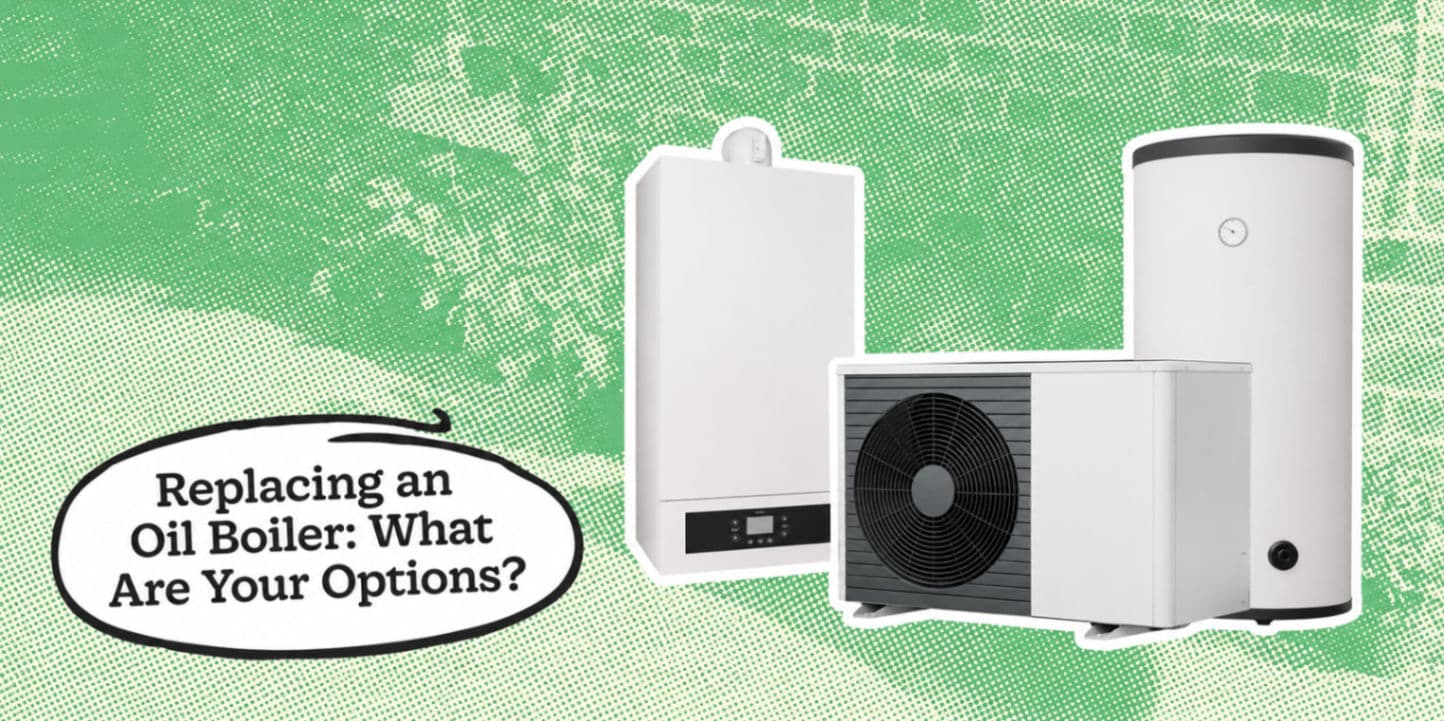

If your oil boiler is getting old, unreliable or costing far too much to keep limping along, you’re probably wondering what to replace it with.
Not that long ago, replacing an oil boiler was pretty straightforward - take the old one out, put a newer oil boiler in, and crack on.
For plenty of homes, that is still a perfectly valid option. But it is no longer the only sensible one.
Heating oil can be expensive, awkward to store and annoyingly dependent on market prices, delivery slots and whether you remembered to check the tank before the weather turned biblical.
So, when your oil boiler finally gives up, it is worth asking the bigger question: should you replace it with another oil boiler, or use the opportunity to switch to something else?
💨 Ready to make your home more energy-efficient and cut down on your heating bills? Get a heat pump quote today.
What can you replace an oil boiler with?
The main alternatives to an oil boiler are:
Option | Best for | Watch out for |
New oil boiler | Quick, familiar replacement | Still runs on heating oil |
Future-proofing and lower-carbon heating | Needs proper system design | |
Ground source heat pump | Larger homes with land | Higher upfront cost and disruption |
LPG boiler | Boiler-style heating without oil | Still uses fossil fuel |
Biomass boiler | Larger rural properties | Fuel storage and maintenance |
Electric boiler | Small, efficient homes | Can be expensive to run |
Hybrid system | Homes not ready to fully switch | More complex setup |
For most oil-heated homes, the realistic shortlist is usually another oil boiler, an air source heat pump, or, in some cases, LPG, biomass or a hybrid system.
Electric boilers can work in the right property, but they are rarely the best option for larger rural homes with high heating demand.
Are oil boilers being banned?
No, your existing oil boiler is not about to be dragged out of the house by the boiler police.
You can continue using your current oil boiler, and you can still replace an oil boiler for now.
The UK Government previously proposed phasing out new oil and LPG boiler installations in off-gas-grid homes from 2026, but that date was later pushed back to 2035.
That means there is no need to panic. However, the direction of travel is clear.
The UK is moving away from fossil-fuel heating, and oil boilers are unlikely to become more attractive over the long term.
If your current oil boiler is working safely and efficiently, you may not need to replace it immediately.
But if it is already nearing the end of its life, now is a good time to compare the options properly instead of automatically choosing another oil boiler by default.
Option 1: Replace your old oil boiler with a new oil boiler
The simplest option is to replace your existing oil boiler with a modern condensing oil boiler.
This is usually the least disruptive route because your home already has the basic setup in place: an oil tank, pipework, radiators and hot water system.
A new oil boiler should also be more efficient than an older non-condensing model, so if your current boiler is ancient, you may use less oil for the same amount of heat.
A new oil boiler may make sense if your current boiler has failed, your home is poorly insulated, your oil tank is still in good condition and you want the fastest, most familiar replacement.
The downside is that you are still tied to heating oil. That means fuel deliveries, oil tank maintenance, price swings and a heating system that is not especially future-proof.
Heating oil is also not protected by the domestic energy price cap in the same way as mains gas and electricity tariffs, so prices can move sharply.
In short, another oil boiler is the comfort-zone option. Sometimes that is perfectly reasonable, especially if you need a quick replacement. But it is not the most forward-looking choice.
Option 2: Replace your oil boiler with an air source heat pump
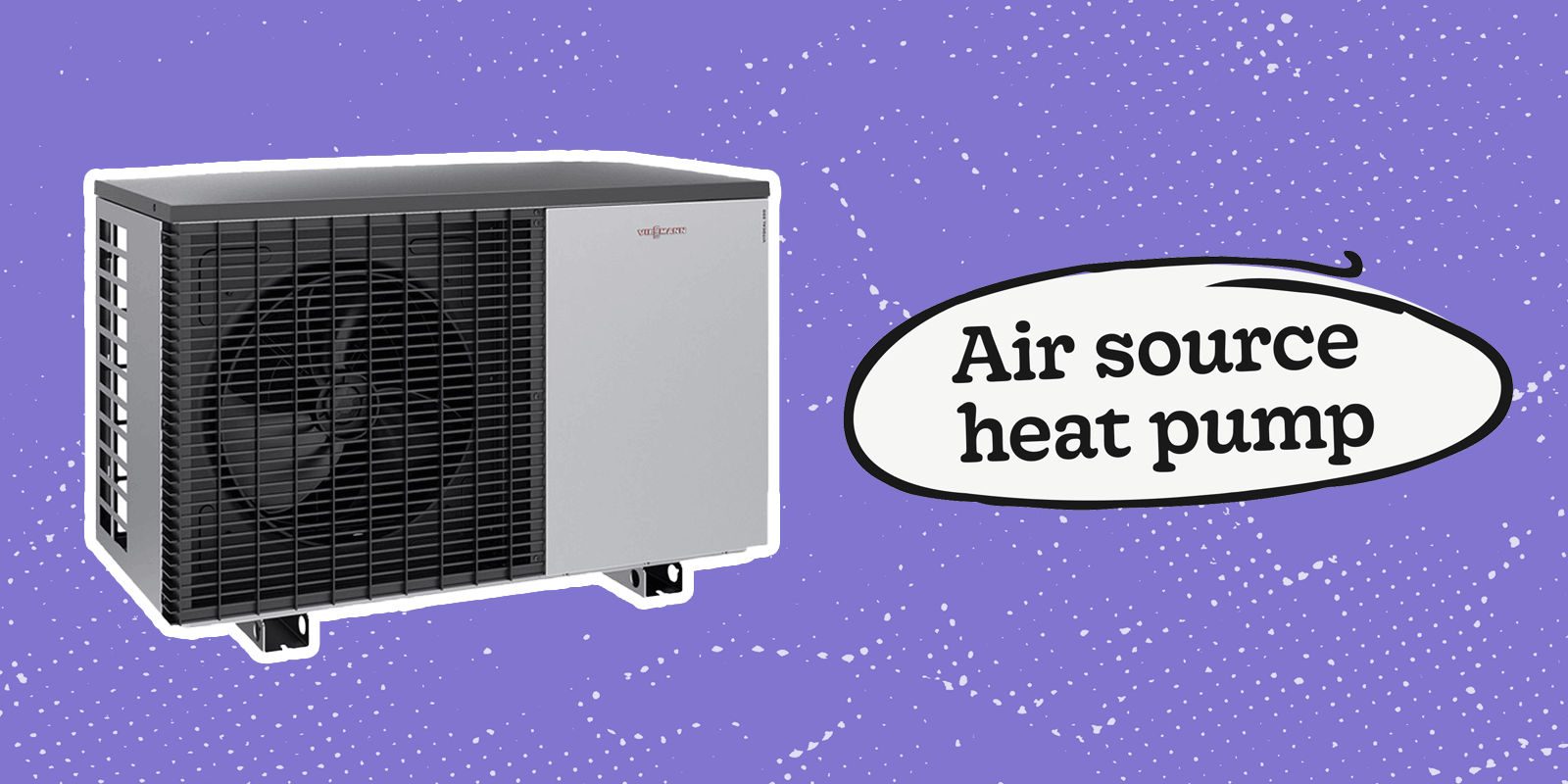
For many off-gas-grid homes, an air source heat pump is now the most serious alternative to an oil boiler.
A heat pump does not burn oil, gas or logs. Instead, it uses electricity to move heat from the outside air into your home.
Yes, it can still work when it is cold outside. No, it does not require Mediterranean weather to keep your home warm.
The important thing is design. A heat pump is not a magic box you stick outside and hope for the best. It needs to be sized properly, matched to the property and installed by someone who knows what they are doing.
Heat pumps can be particularly worth considering for oil-heated homes because you are not comparing them with cheap mains gas. You are comparing them with delivered heating oil, tank logistics and price volatility.
There is also grant support available through the Boiler Upgrade Scheme in England and Wales. Eligible homes can receive funding towards the cost of installing a heat pump, which can make the upfront cost much more manageable.
An air source heat pump may be right for you if your home is reasonably well insulated, you have space outside for the unit, you have or can fit a hot water cylinder, and you are open to upgrading radiators if needed.
The main drawback is that a heat pump installation is usually more involved than a simple boiler swap.
Some homes need larger radiators, pipework changes, insulation improvements or better controls. Heat pumps also work best when run low and steady, rather than being blasted on and off like a traditional boiler.
A good heat pump can be excellent. A badly designed one can be disappointing. The difference is rarely the technology itself; it is usually the survey, design and installation.
Option 3: Ground source heat pump
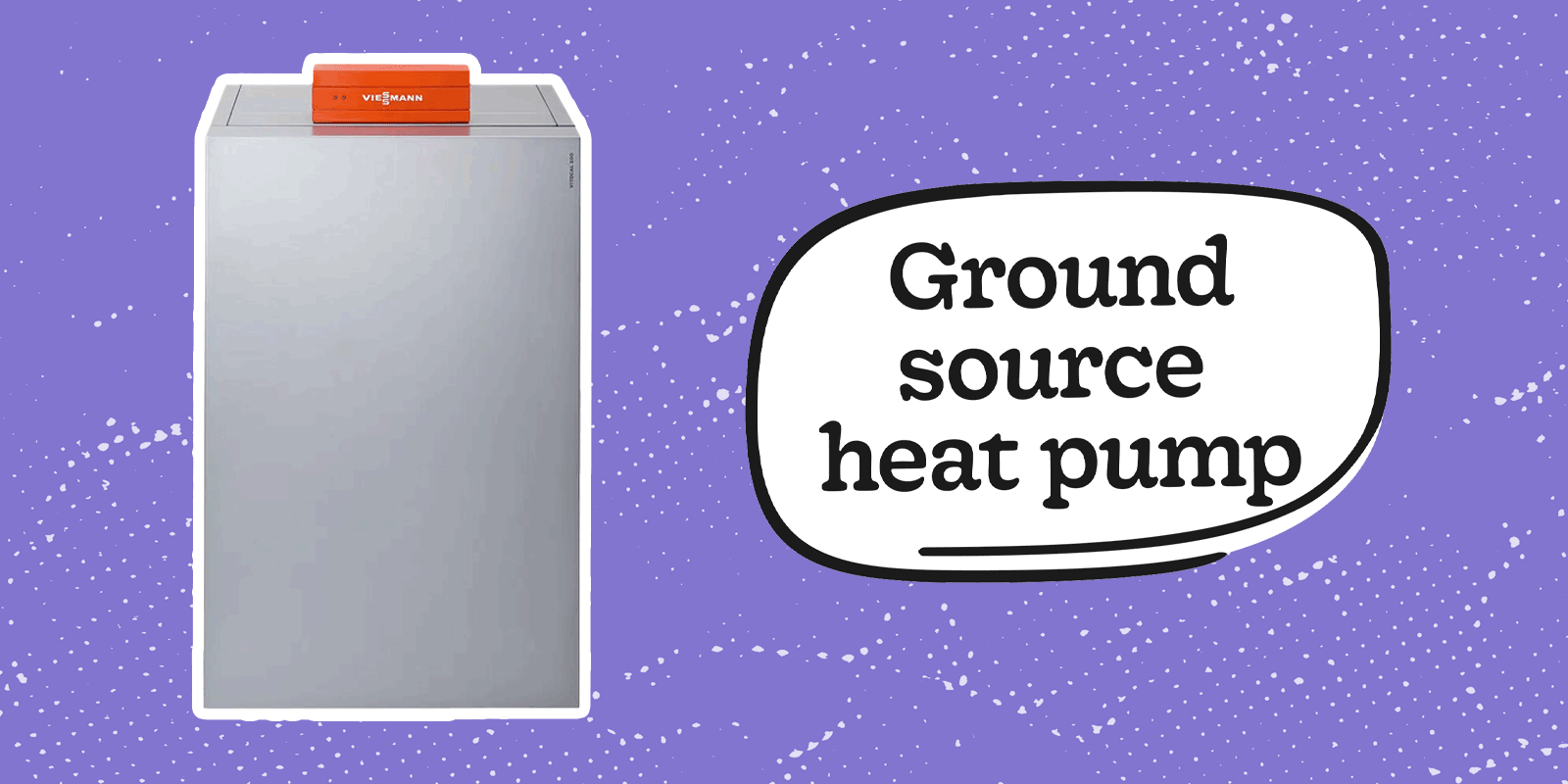
A ground source heat pump works in a similar way to an air source heat pump, but it takes heat from the ground instead of the air.
Because ground temperatures are more stable than air temperatures, ground source systems can be very efficient. They can be a strong option for larger rural homes, especially where there is enough land for ground loops or space for boreholes.
The issue is cost and disruption. Ground source heat pumps usually require excavation or drilling, so they are more expensive and more involved to install than air source heat pumps.
A ground source heat pump may suit you if you have a larger property, enough outdoor space, a higher heating demand and a budget that allows for a more premium system. It is less likely to suit you if you need a quick, low-disruption replacement.
For most homes, air source is the more realistic heat pump option. Ground source can be excellent, but only when the property and budget make sense.
Option 4: LPG boiler
LPG is another option for homes that are not connected to the mains gas grid.
An LPG boiler works much like a gas boiler, but instead of receiving gas from the grid, the fuel is stored in a tank outside your home. This makes it a relatively familiar option if you want boiler-style heating without sticking with oil.
LPG may appeal if your home is not ready for a heat pump, you want to keep a more conventional heating system, or you want something less disruptive than a full heating redesign.
However, LPG is still a fossil fuel. It still requires a tank, still needs deliveries and still exposes you to fuel-price changes.
It solves the “I do not want oil” problem, but it does not fully solve the bigger issue of relying on delivered fossil fuels.
For that reason, LPG is best seen as an alternative to oil rather than a major leap forward.
Option 5: Biomass boiler
A biomass boiler burns wood pellets, logs or chips to provide heating and hot water.
For the right property, biomass can work well. It can be especially relevant for larger rural homes with high heat demand and space for fuel storage.
However, biomass is not a neat little wall-hung boiler. The systems can be bulky, fuel storage can take up space and maintenance is usually more hands-on than with an oil boiler or heat pump.
A biomass boiler may suit you if you have a larger rural home, plenty of space, a high heating demand and you are comfortable managing fuel deliveries and maintenance.
It is less likely to suit smaller homes, low-demand properties or anyone who wants a simple, low-maintenance heating system.
Biomass has its place, but it is a specialist option rather than the default replacement for an oil boiler.
Option 6: Electric boiler
Electric boilers sound attractive because they are simple. There is no oil tank, no flue, no combustion and no fuel delivery. Just electricity in and heat out.
The problem is running cost.
An electric boiler turns one unit of electricity into roughly one unit of heat. A heat pump can use one unit of electricity to move several units of heat into your home. That efficiency difference is the whole game.
Electric boilers can make sense in small, very well-insulated homes with low heating demand.
They can also be useful where other systems are impractical.
For larger rural homes, draughty properties or households with high hot water demand, electric boilers are usually expensive to run. Technically possible does not always mean financially sensible.
If you are considering an electric boiler as an oil boiler replacement, check the expected running costs very carefully before committing.
Option 7: Hybrid heat pump and boiler
A hybrid system combines a heat pump with a boiler. The heat pump handles much of the heating, while the boiler helps during colder weather or when higher temperatures are needed.
This can be useful for homes that are not ready to go fully electric. For example, if your home has high heat demand, limited insulation or radiators that would need upgrading, a hybrid system may reduce oil use while avoiding a full heating redesign.
However, hybrid systems are more complex. You have two technologies instead of one, which means more controls, more design considerations and more things to maintain. They may also affect grant eligibility, so it is important to check the details before assuming funding is available.
A hybrid system can be a smart bridge, but it should not be used as a lazy compromise. As with heat pumps generally, the design matters.
How much does it cost to replace an oil boiler?
The cost depends on the type of system, the size of your home, the condition of your existing heating system and whether extra work is needed.
As a rough guide, replacing an oil boiler with another oil boiler will usually have the lowest upfront cost.
Air source heat pumps usually cost more to install, but grant support can reduce the gap significantly. Ground source heat pumps and biomass boilers tend to be more expensive and property-dependent.
LPG boilers can look similar to a conventional boiler replacement, but tank arrangements and fuel costs need to be considered. Electric boilers can be relatively simple to install, but may cost much more to run in larger homes.
The key is to compare the whole picture, not just the installation quote. That means looking at upfront cost, running costs, maintenance, fuel-price risk, grant eligibility, tank replacement, future policy risk and how long you plan to stay in the home.
A cheap replacement is not always cheap over the long term. Sometimes it is just a delayed bill with better branding.
What should you check before replacing an oil boiler?
Before choosing a replacement system, there are a few things worth checking.
First, look at your oil tank. If the tank is old, damaged, badly positioned or close to the end of its life, replacing your boiler with another oil boiler becomes less attractive. A new oil boiler plus a new oil tank is a different financial decision from a straightforward boiler swap.
Second, check your insulation. Better insulation helps every heating system work more efficiently, not just heat pumps.
Loft insulation, draught-proofing, pipe insulation and suitable wall insulation can all reduce heat loss and improve comfort.
Third, consider your radiators. Heat pumps usually work best with lower flow temperatures, which means some homes need larger radiators or other changes to heat the property properly. That does not mean every radiator must be replaced, but it does mean someone should check.
Fourth, think about hot water. Many heat pump systems require a hot water cylinder. If you currently have an oil combi boiler, this can be one of the bigger practical changes.
Finally, check your electricity supply if you are moving towards electric heating. This is especially relevant if you are also considering solar panels, battery storage or an EV charger.
Should you replace your oil boiler now or wait?
If your oil boiler is working safely and reliably, you may not need to replace it immediately. In fact, having time on your side is useful because it allows you to plan properly.
You can use that time to improve insulation, understand your heating demand, check grant eligibility and get quotes for different systems before you are forced into a rushed decision.
If your oil boiler is already unreliable, it is better to start comparing options now rather than waiting for it to fail completely.
Emergency boiler replacements rarely produce the best decisions. They produce cold people choosing whatever can be installed fastest.
Understandable, yes. Ideal, no.
What is the best replacement for an oil boiler?
The best option depends on your property and priorities.
If you need the quickest and least disruptive fix, a new oil boiler may still be the most practical option.
If you want a more future-proof system and your home is suitable, an air source heat pump is likely to be the strongest long-term choice.
For larger homes with land and a bigger budget, a ground source heat pump may be worth exploring.
For high-demand rural properties with space for fuel storage, biomass could be viable.
LPG may suit homes that want boiler-style heating but do not want to stay with oil. Electric boilers are usually best reserved for small, efficient homes with low heating demand.
The important thing is not to assume the best replacement is whatever was there before.
Oil boilers were often installed because they were the most practical option at the time. That does not automatically mean they are the best option now.
Final verdict
Replacing an oil boiler is no longer just a like-for-like boiler decision. It is a home energy decision.
For some households, another oil boiler will still make sense. It is familiar, relatively quick to install and can work well in homes that are not ready for a bigger heating change.
For many others, especially off-gas-grid homes with suitable insulation and access to grant support, a heat pump is now too serious to ignore.
The worst option is not choosing oil, LPG, biomass or a heat pump. The worst option is sleepwalking into a replacement because “that’s what we had before”.
If your oil boiler is nearing the end, compare the options properly.
Your next heating system could be with you for the next 10 to 20 years, so it is worth getting this one right.
Get a Quote for a New Boiler Today
If you’re in the market for a new boiler, you’re in the right place. We can offer a free boiler quote in minutes and you might even be able to get your boiler installed tomorrow.
If you’re aiming to get the best deal on a new boiler, consider getting a quote from us, here’s why:
Gas Safe installation within 24 hours.
Thousands of satisfied customers with an average score of 4.9 on Trustpilot, surpassing the market leader.
Which? Trusted Trader: Heatable is proudly recognised as a Which? Trusted Trader.
Price match guarantee: We will match any like-for-like cheaper quote.
Flexible payment options, including interest-free finance.
Up to 12-year guarantee on selected boilers.
Fixed price guarantee: No hidden costs.
Save your quote and decide later.
Get an instant fixed price on a new boiler, here.
To learn more about boilers, visit our advice section, check out our YouTube channel, or read customer testimonials here.
Heat Happy.