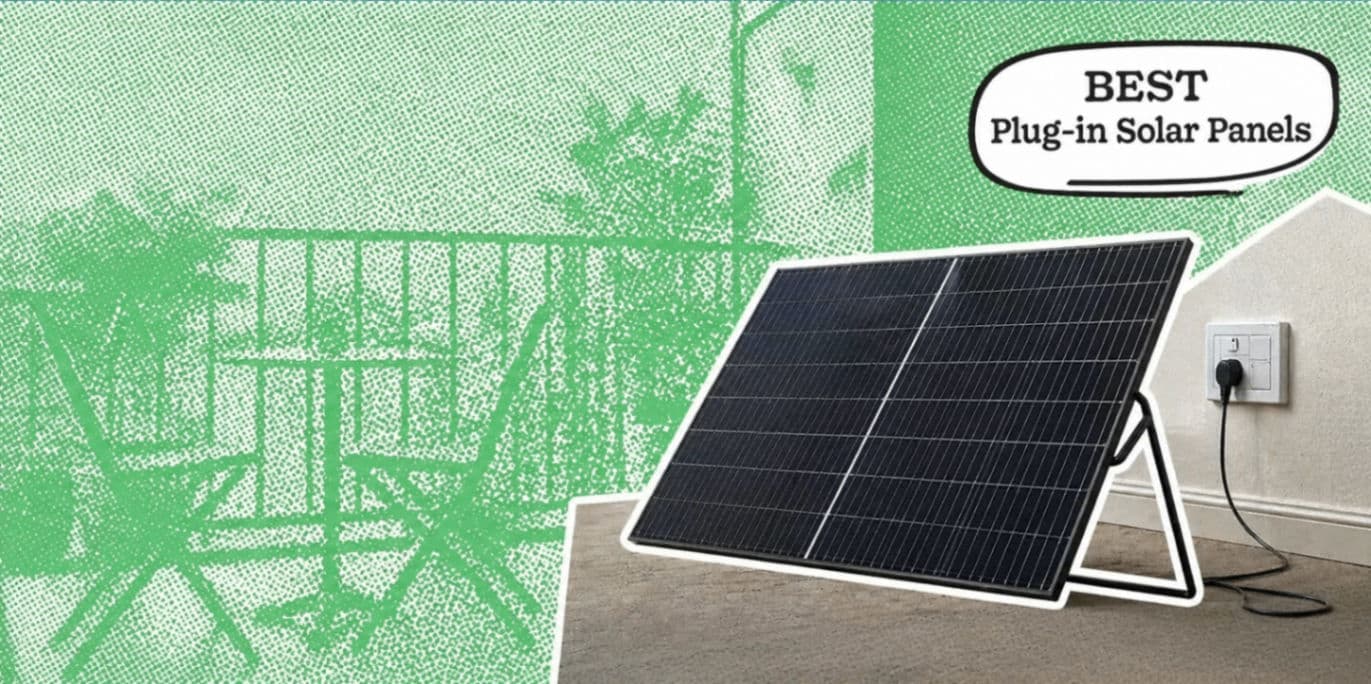

Interest in plug-in solar panels UK and balcony solar panels UK is growing fast. Renters, flat owners and homeowners want simple, low-cost ways to generate their own electricity without a full rooftop installation.
But while plug-in solar sounds appealing, the UK market is still in its early stages, with key legal and safety details yet to be finalised.
Important legal note: as of April 2026, plug-in solar panels are not yet fully approved for standard UK socket use.
On 24 March 2026, the government announced plans to make sub-800W plug-in solar systems available in shops “within months”, with updates expected to G98 and BS 7671 rules.
Retailers such as Lidl and Amazon are preparing products, but fully approved kits are not yet widely available. Always check the latest government, DNO, manufacturer, and certification guidance before buying.
Plug-in and balcony solar panels can offer small supplemental savings, but they are not a replacement for a professionally installed solar PV system.
For homeowners wanting bigger bill savings, a properly designed rooftop solar system with optional battery storage will usually be the better long-term choice.
What are plug-in and balcony solar kits?
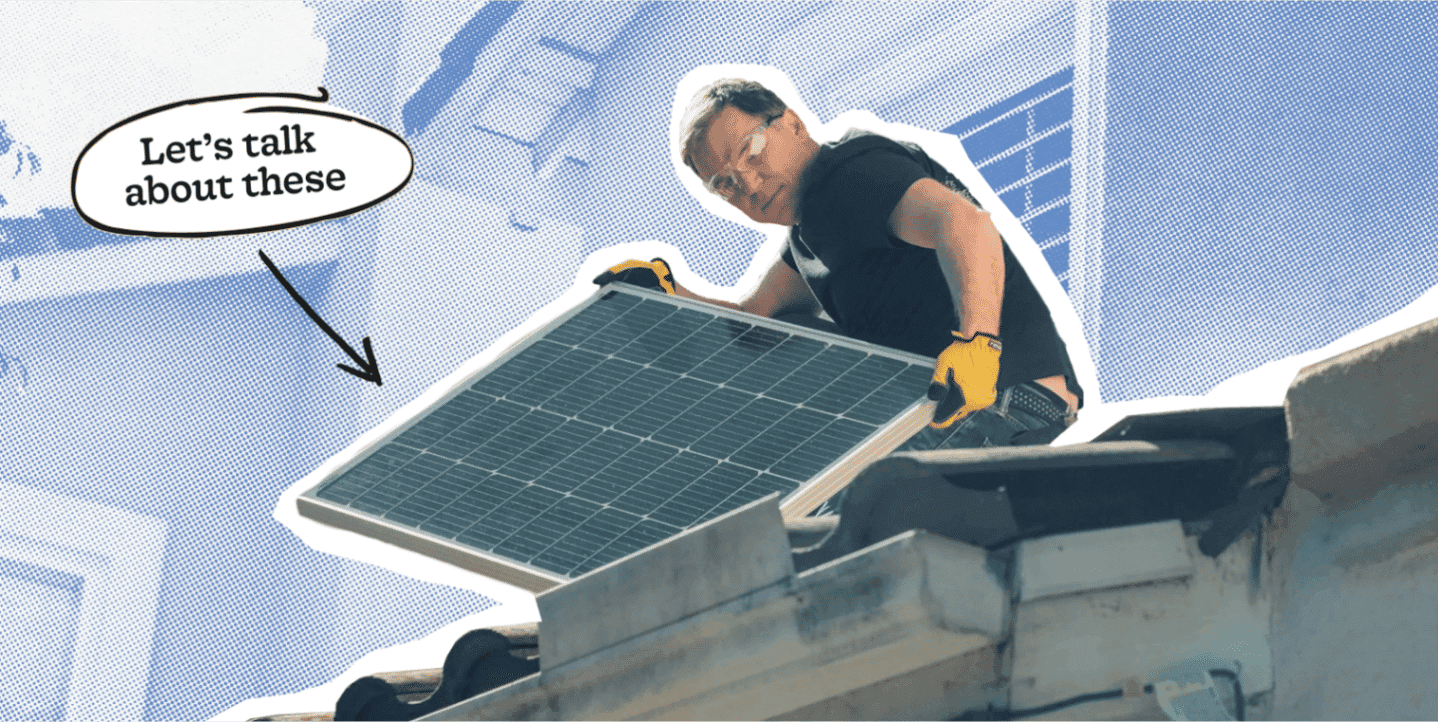
Plug-in solar kits, also called plug-and-play or balcony solar panels, are small solar systems typically made up of one or two panels, a microinverter, cables, and mounting equipment.
Most are expected to be around 400W–800W, making them much smaller than a full rooftop solar PV system.
Once UK regulations allow approved products, these kits could be placed on a balcony, garden, fence, shed, or flat roof and connected via a standard 13A UK socket.
The electricity generated can then help power appliances in your home and reduce how much energy you draw from the grid.
They have been popular in parts of Europe for years and are now expected to enter the UK market following the government’s March 2026 announcement.
They may suit renters, flat owners, or households without suitable roof space, but they are best seen as a starter solar option.
For bigger savings, battery storage, warranties, and a properly designed system, a professionally installed solar PV setup is usually the better choice.
Best plug-in and balcony solar kits in the UK
As the UK market develops, several types of plug-in and balcony solar kits are likely to appear.
However, availability, pricing, and compliance are still changing, so treat any product claims with caution for now.
[1] Best overall plug-in solar kit
EcoFlow STREAM 800W
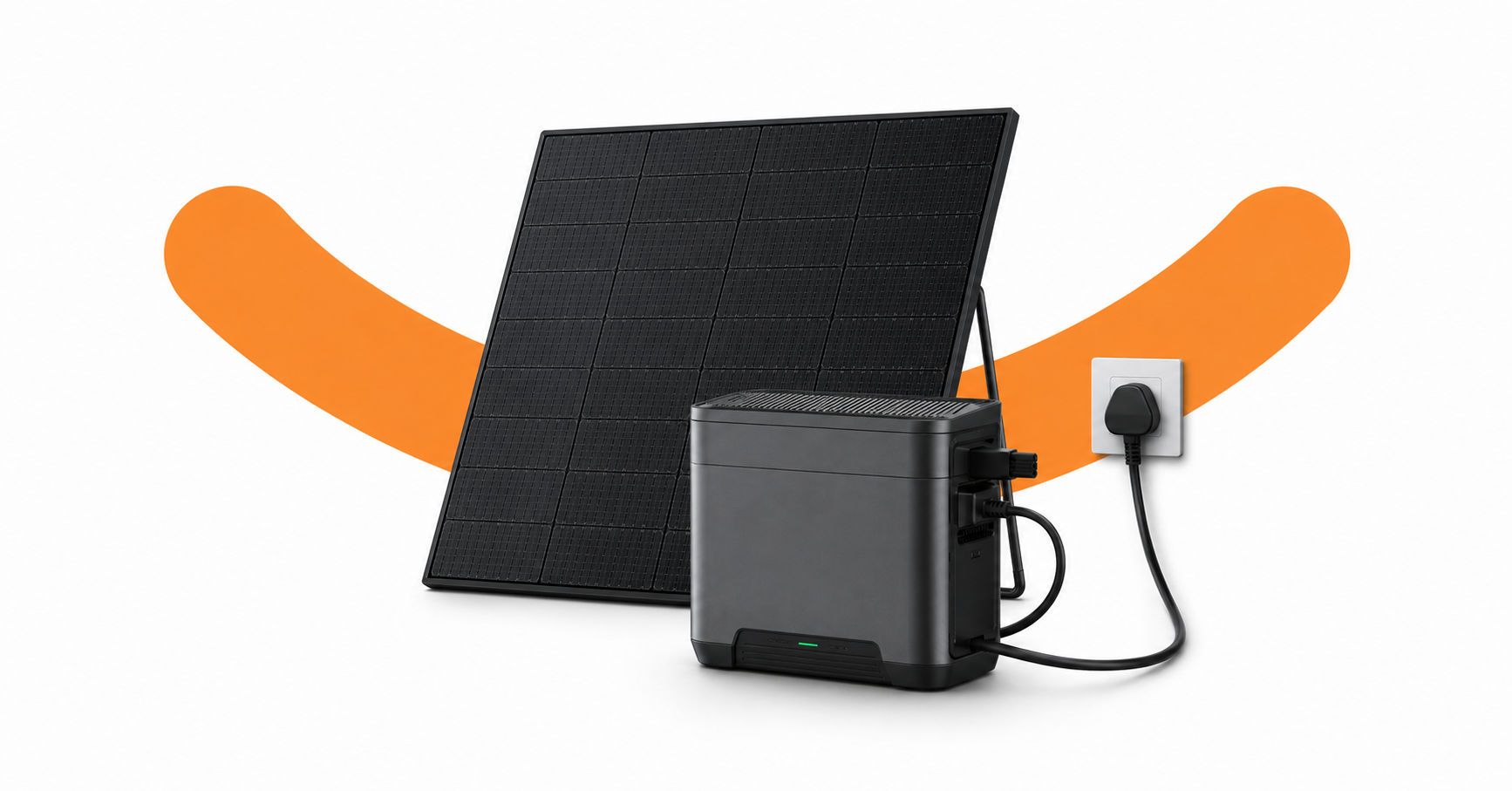
Typical output: 600W–800W
Best for: Homeowners or renters looking for a simple starter solar setup
An 800W-class plug-in solar kit is likely to be one of the most popular options once approved products reach the UK market.
Systems like the EcoFlow STREAM, or similar kits from major retailers, are designed to offer a compact, app-connected way to generate a small amount of your own electricity.
They should be relatively affordable compared with rooftop solar, with many kits expected to sit around the £400–£800 mark once widely available.
Pros: Compact, relatively affordable, app monitoring, suitable for small-scale solar generation.
Cons: Limited output, highly dependent on sunlight, shading, and panel position.
Key limitations: Not yet fully approved for standard UK socket use. Some systems may require zero-export settings, smart monitoring, or DNO checks.
UK suitability: Likely to be among the first types of kit marketed once regulations are updated, but buyers should check the latest manufacturer and retailer guidance before purchasing.
For most households, this is still a starter solar product, not a replacement for a professionally installed solar PV system.
For bigger savings, battery storage, warranties, and a system designed around your home, a full Heatable solar installation will usually make more sense.
[2] Best balcony solar kit for flats
Zendure SolarFlow
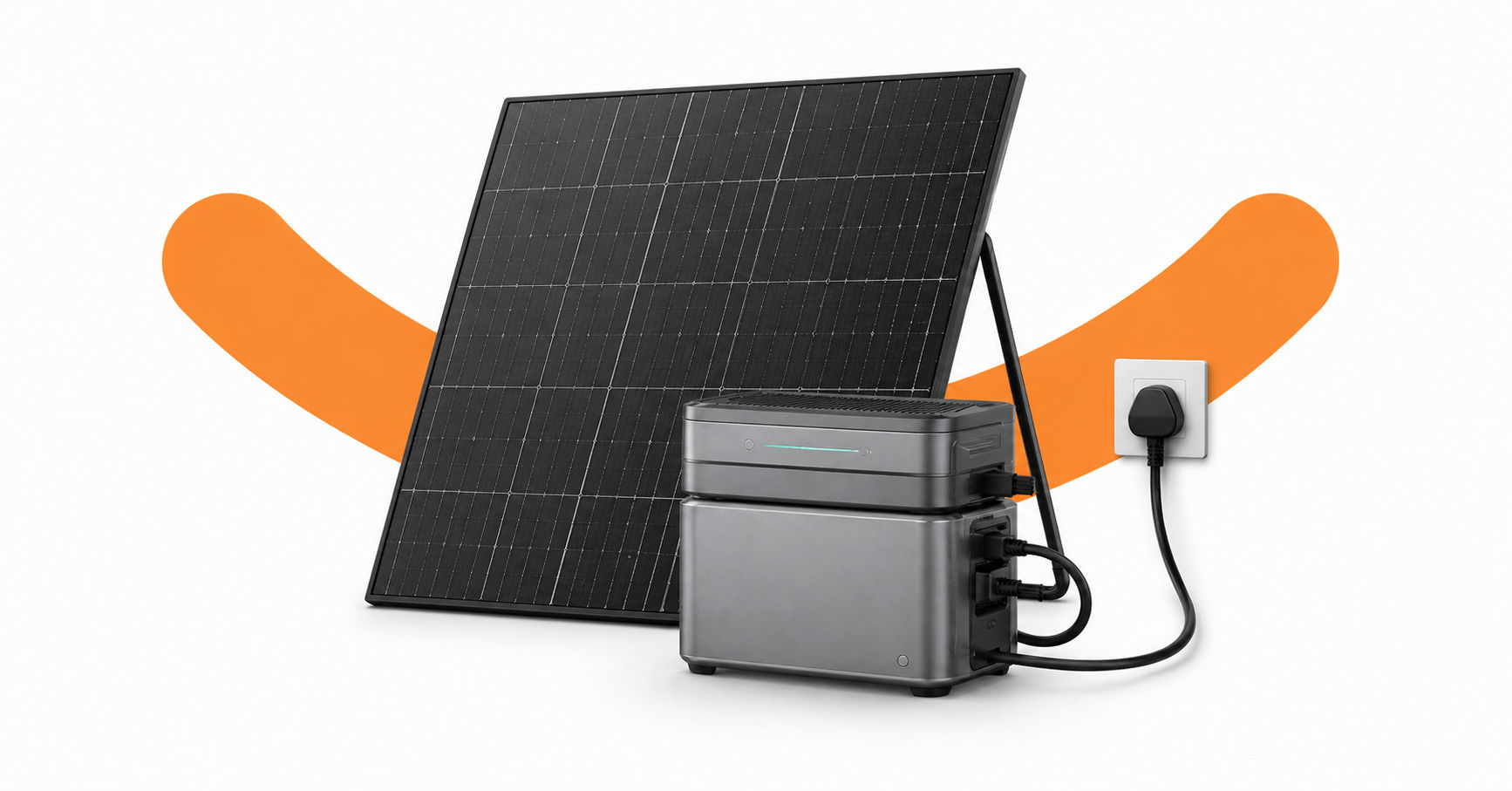
Typical output: 600W–800W, with optional battery storage
Best for: Flat owners or renters with a suitable south- or west-facing balcony
Balcony solar kits are designed for smaller spaces where a full rooftop system is not possible.
They usually attach to balcony railings or compact mounting frames, making them a potential option for flats, renters, or households without access to a suitable roof.
Some systems can also be paired with a small battery, helping you store excess daytime generation for later use.
Pros: Designed for balconies and compact spaces, often modular, removable, and battery-compatible.
Cons: Secure mounting is essential, especially in windy conditions. Landlord or freeholder permission may also be needed.
Key limitations: Output is usually modest, and performance can be heavily affected by shading from nearby buildings, balcony orientation, and limited panel space.
UK suitability: Some balcony-style kits are already listed by UK suppliers, but standard plug-in use still depends on final UK regulations and product approval.
For flats, these kits could become a useful entry-level option, but they are not a shortcut around safety, permissions, or compliance.
[3] Best budget plug-in solar kit
Basic 400W–600W kits from retailers such as Lidl or Amazon
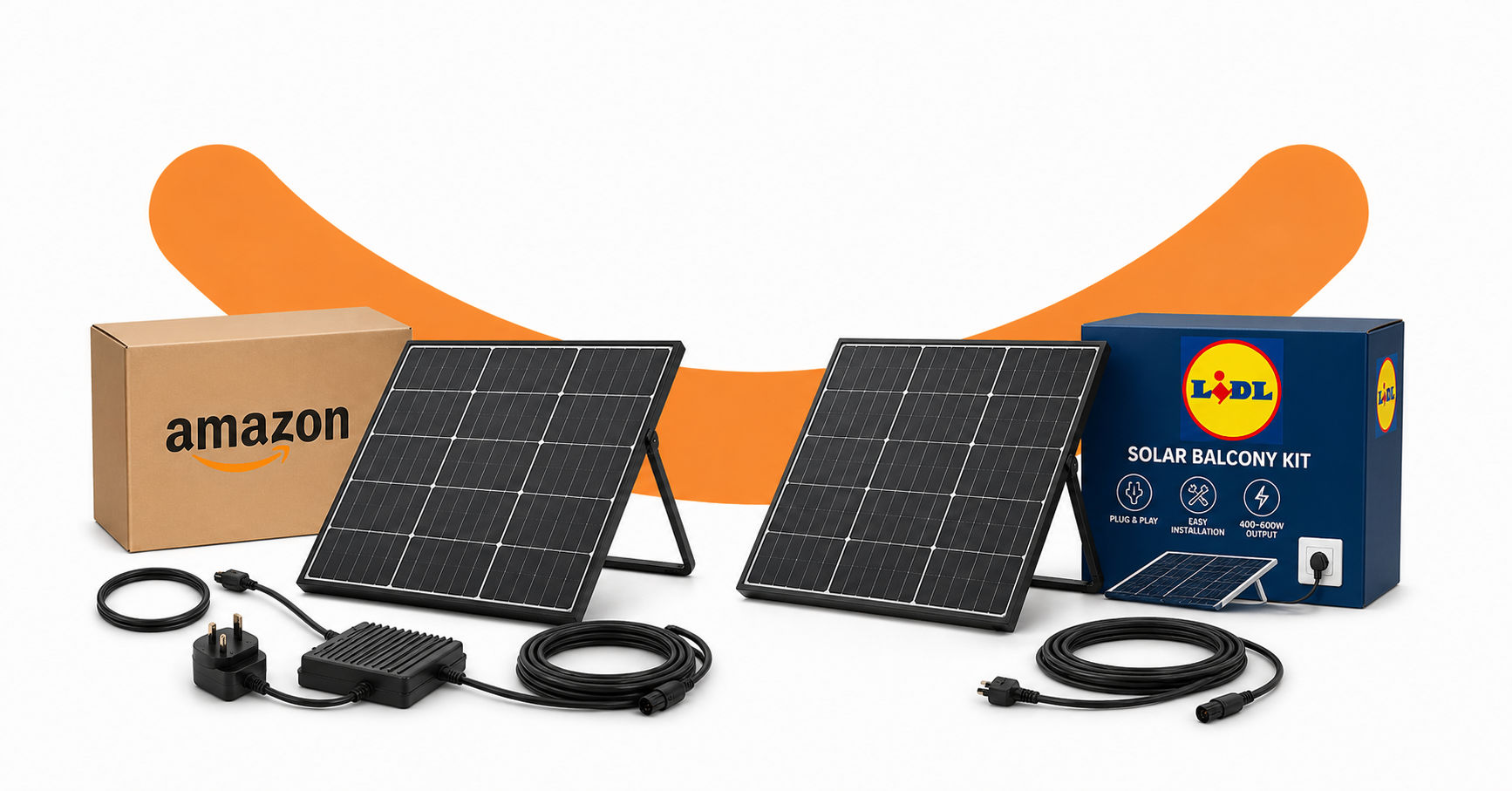
Typical output: 400W–600W
Best for: First-time buyers who want to try solar without a major upfront cost
Budget plug-in solar kits are likely to be the most accessible entry point once approved products become available in the UK.
These will probably be smaller, simpler systems aimed at shoppers who want modest savings without committing to a full solar installation.
Prices could sit around the £300–£500 mark, depending on the kit size, brand, warranty, and whether mounting equipment is included.
Pros: Lower upfront cost, simple design, accessible for first-time solar buyers.
Cons: Smaller output means smaller savings. Entry-level kits may also have fewer monitoring features and shorter warranties.
Key limitations: Build quality, aftercare, and long-term performance may vary significantly between cheaper models.
UK suitability: Retailers such as Lidl and Amazon are expected to stock plug-in solar kits once regulations allow, but buyers should check launch dates, compliance, warranty terms, and DNO requirements before purchasing.
A budget kit may be a useful way to dip a toe into solar, but it is unlikely to make a major dent in your energy bills.
[4] Best plug-in solar kit with battery storage
EcoFlow STREAM or Zendure SolarFlow with a 1–2kWh battery add-on
Typical output: 600W–800W solar, plus 1–2kWh of storage
Best for: Households that want to store daytime solar for use later in the day
Plug-in solar kits with battery storage are likely to appeal to households that are not at home during peak daylight hours.
Instead of sending unused solar straight back to the home or grid, a battery can store some of that energy for evening use.
That makes these systems more practical than panel-only kits, but also more expensive and more complex.
Pros: Better use of daytime generation, improved evening savings, more flexibility than panel-only kits.
Cons: Higher upfront cost, with battery-based systems likely to cost around £900–£1,500+.
Key limitations: Batteries add weight, cost, and complexity. They may also be less suitable for some balconies, and there will be charging losses to factor in.
UK suitability: Battery-hybrid systems are gaining interest, but buyers should confirm UK compliance, G98 requirements, DNO notification rules, and whether standard socket use is permitted before buying.
For renters or flat owners, a battery-backed kit could become one of the more useful plug-in solar options.
[5] Best portable solar alternative
Foldable or ground-mounted portable panels paired with a power station
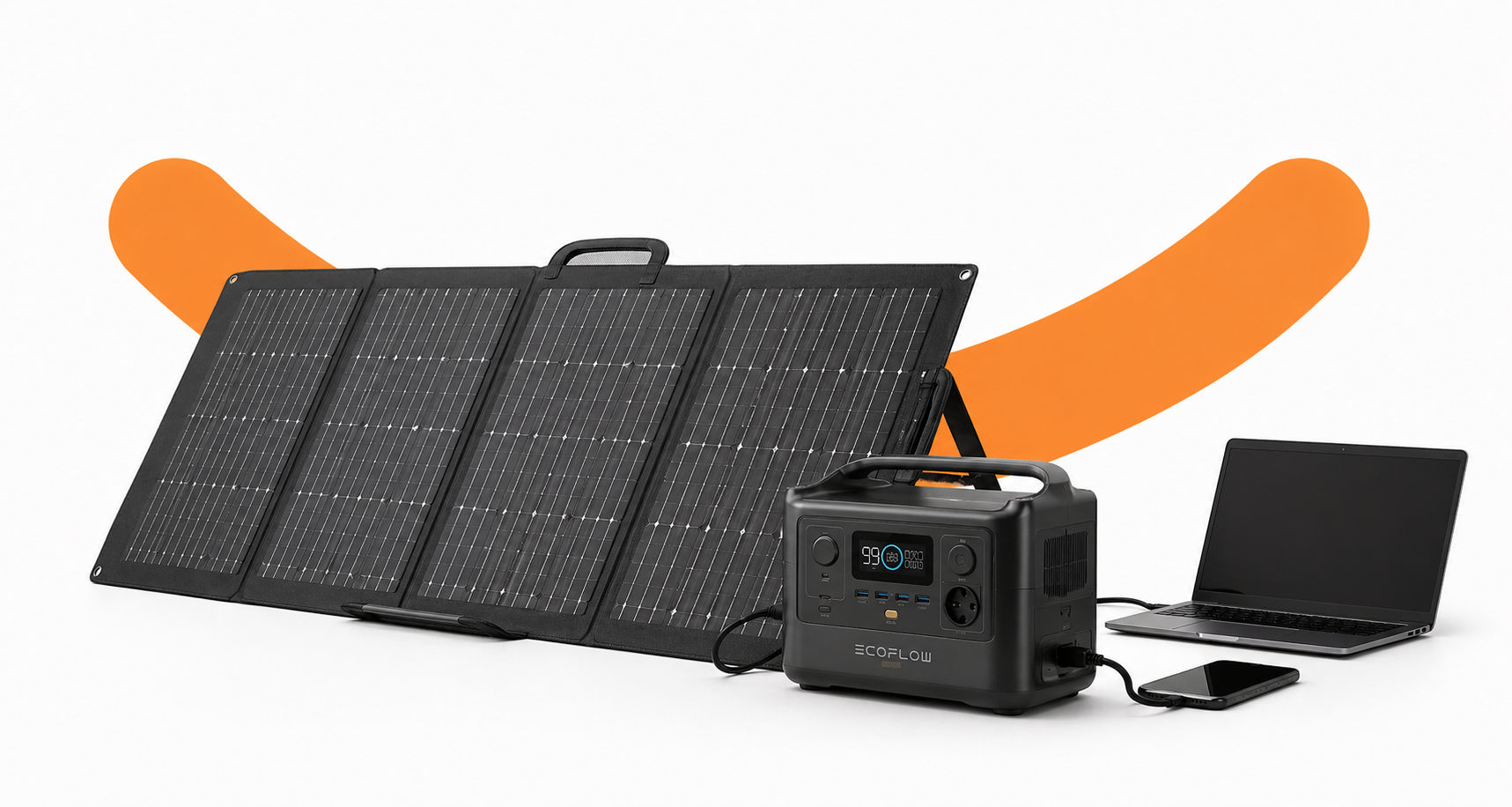
Typical output: 100W–400W
Best for: Gardens, camping, temporary setups, or charging devices off-grid
Portable solar panels are a good alternative for anyone who wants a simple solar setup without connecting anything to their home electrics.
A UK-available example would be an EcoFlow portable power station paired with EcoFlow folding solar panels. EcoFlow UK sells portable solar panels ranging from 60W to 400W, including folding panels with built-in stands, designed to connect to an EcoFlow power station for camping, garden use, or off-grid charging.
These systems usually pair foldable or freestanding panels with a portable power station, allowing you to charge phones, laptops, lights, small appliances, or camping gear.
Because they are not grid-tied, they are available and legal to use today.
Pros: Portable, flexible, easy to move, no mains connection required.
Cons: Lower output, limited savings, and not designed to offset whole-home electricity use.
Key limitations: Most portable systems are off-grid only, meaning they will not feed power into your home circuits or standard sockets.
UK suitability: Legal today when used as off-grid charging equipment, but not comparable to a proper home solar PV system.
Portable solar is useful for convenience, backup power, and occasional use.
Are plug-in solar kits worth it?
For some renters, flat owners, or households without suitable roof space, a compliant plug-in solar kit could be a useful way to generate a small amount of electricity at home.
Government estimates suggest these systems could save around £70–£110 per year once approved products become available.
That makes them a low-commitment way to try solar without the cost of a full rooftop installation.
However, expectations need to be realistic. Plug-in solar kits are small systems with small outputs.
They may help reduce your daytime electricity use, but they are unlikely to transform your energy bills on their own.
The limitations of plug-in and balcony solar panels
Plug-in and balcony solar panels sound simple, but they come with some important limitations.
They generate far less electricity than a full rooftop solar system, often only a fraction of what you would get from a typical 4kW solar PV array. As a result, the savings are usually modest.
Performance can also vary heavily depending on where the panels are placed. Shaded balconies, north-facing spaces, nearby buildings, and limited mounting areas can all reduce output significantly.
There are also practical and legal points to consider. You may need permission from a landlord, freeholder, or management company before installing panels on a balcony or shared building.
Secure fixing, wind loading, and installation height are also important safety considerations.
Related: Lidl plug-in solar kits
Other limitations include:
Without battery storage, some daytime generation may be wasted.
Not every home, balcony, socket, or outdoor space will be suitable.
UK compliance, insurance, DNO notification, and export rules are still evolving.
They are not a direct replacement for a properly designed solar PV system.
In short, plug-in solar could become a useful entry-level option for small supplemental savings, but it is not a whole-home energy solution.
Plug-in solar vs professionally installed solar panels
Plug-in solar is cheaper and simpler upfront, but it is also much more limited.
A professionally installed solar PV system is designed around your roof, electricity usage, budget, and long-term goals.
It can generate significantly more electricity, support battery storage, come with proper warranties, and meet the required installation and compliance standards.
That is where Heatable comes in.
Heatable specialises in fully installed solar panel systems that are designed to make a meaningful difference to your energy bills - not just provide a small top-up on sunny days.
With a professional solar installation, you can benefit from:
A properly sized system
Expert installation
MCS certification
Full warranties
Battery storage options
Export payment eligibility
Long-term support
Plug-in solar may suit some households, but if you own your home and have a suitable roof, a full solar PV system will usually offer far better performance and value.
When a full solar PV system makes more sense
A full solar PV system makes more sense if you own your home, have a suitable roof, and want meaningful long-term savings.
While plug-in solar kits may become a helpful starter option, they are limited by size, output, placement, and compliance.
A professionally installed solar system is built around your actual home and energy usage, giving you a much stronger chance of reducing your reliance on the grid.
With Heatable, your system is designed around your roof, household consumption, and goals.
You get fixed pricing, expert installation, optional battery storage, and ongoing support from a team that knows exactly what it is doing.
So, if plug-in solar feels a little too limited, Heatable can help you compare full solar panel systems with optional battery storage.
Want solar panels that are fully installed, compliant, and designed around your home? Get a fixed-price solar quote from Heatable today.
Ready to make a real difference to your electricity bills?
Plug-in solar may become a useful entry-level option for small savings once fully regulated.
But if you want a properly designed solar system that can make a real difference to your electricity bills, a full solar PV system is the smarter choice.
Heatable can help you get a system with the correct specification, warranties, safety checks, and long-term performance built in from day one.