
You open your electricity bill, glance outside, and think: surely there has to be an easier way.
- What are plug-in solar panels?
- Are plug-in solar panels legal in the UK?
- How much electricity do plug-in solar panels generate?
- How much could plug-in solar panels save you?
- Pros and cons of plug-in solar panels
- Plug-in solar panels vs traditional solar panels
- Who might plug-in solar be right for?
- Who should probably avoid it?
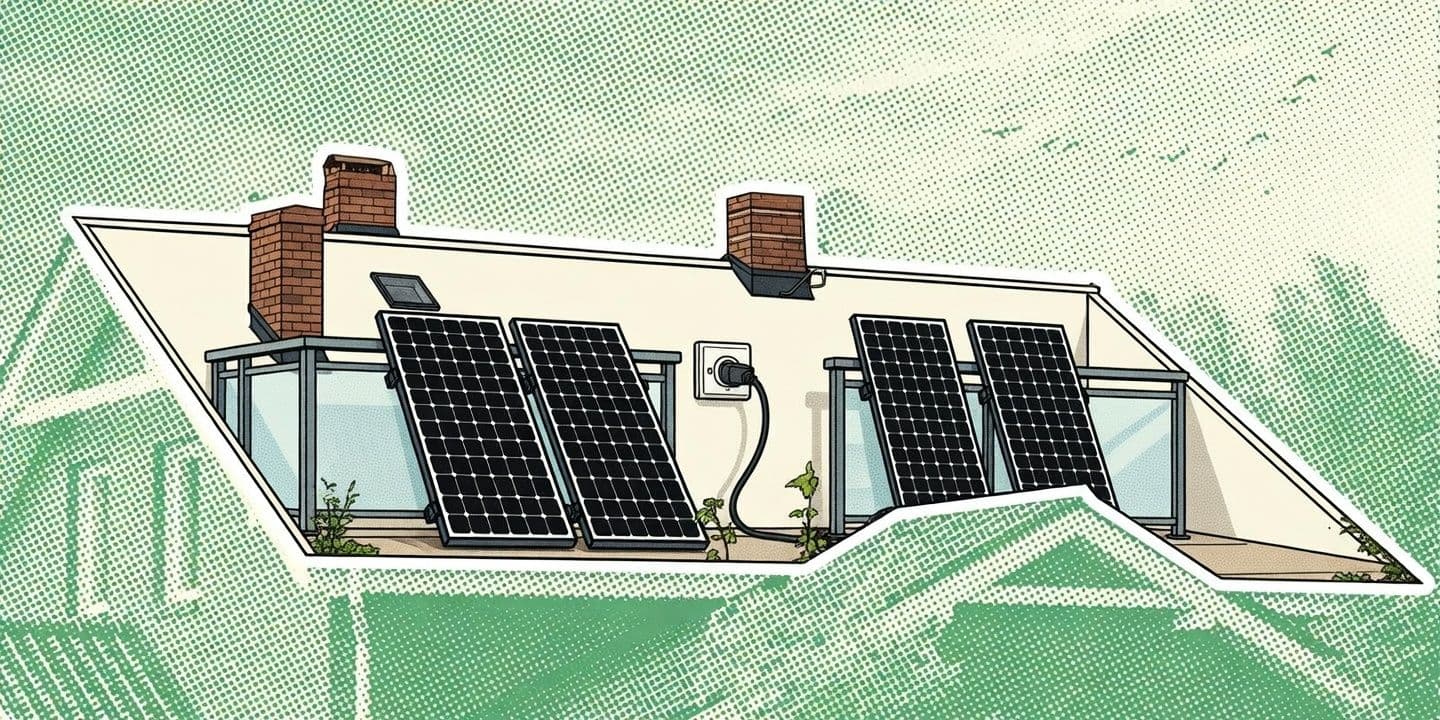
That is exactly why plug-in solar panels sound so appealing. No scaffolding. No roof work. No eye-watering upfront cost. Just a compact solar panel on a balcony, fence or patio, plugged into a standard socket to help chip away at your daytime electricity use.
And now the idea is moving closer to reality in the UK. On 24 March 2026, the Government announced plans to make “plug-in solar” available within months, with systems under 800W expected to connect through a normal mains socket under updated rules.
It sounds like a breakthrough. For some households, it might be.
But here’s the Heatable reality check: plug-in solar is not a magic fix for high energy bills.
These systems are small, limited in output, and best suited to very specific situations, such as flats, balconies, or rented homes where full rooftop solar is not practical.
If you own your home and want serious bill savings, a properly installed roof-mounted solar PV system is still in a completely different league.
PS We offer MCS-certified solar panel installation nationwide. Simply answer these questions, get your fixed price and arrange your free design.
🔑 Quick takeaways:
Plug-in solar panels are small systems, usually under 800W, designed to connect through a normal domestic socket under updated rules that are still being finalised.
As of August 2026, they were not yet approved for routine domestic use in the UK, even though the Government said they should become available within months.
A decent 800W setup might generate 500 to 800 kWh a year - enough for a fridge and a few small devices in the day, not a whole home.
Typical savings are modest, around £70 to £150 a year, and only really worthwhile if you use electricity during daylight hours.
They are cheap and simple, but there are still questions around safety, export payments and long-term value.
Best for renters or flat owners who cannot install roof solar. Less appealing if you have a good roof and want bigger savings.
What are plug-in solar panels?
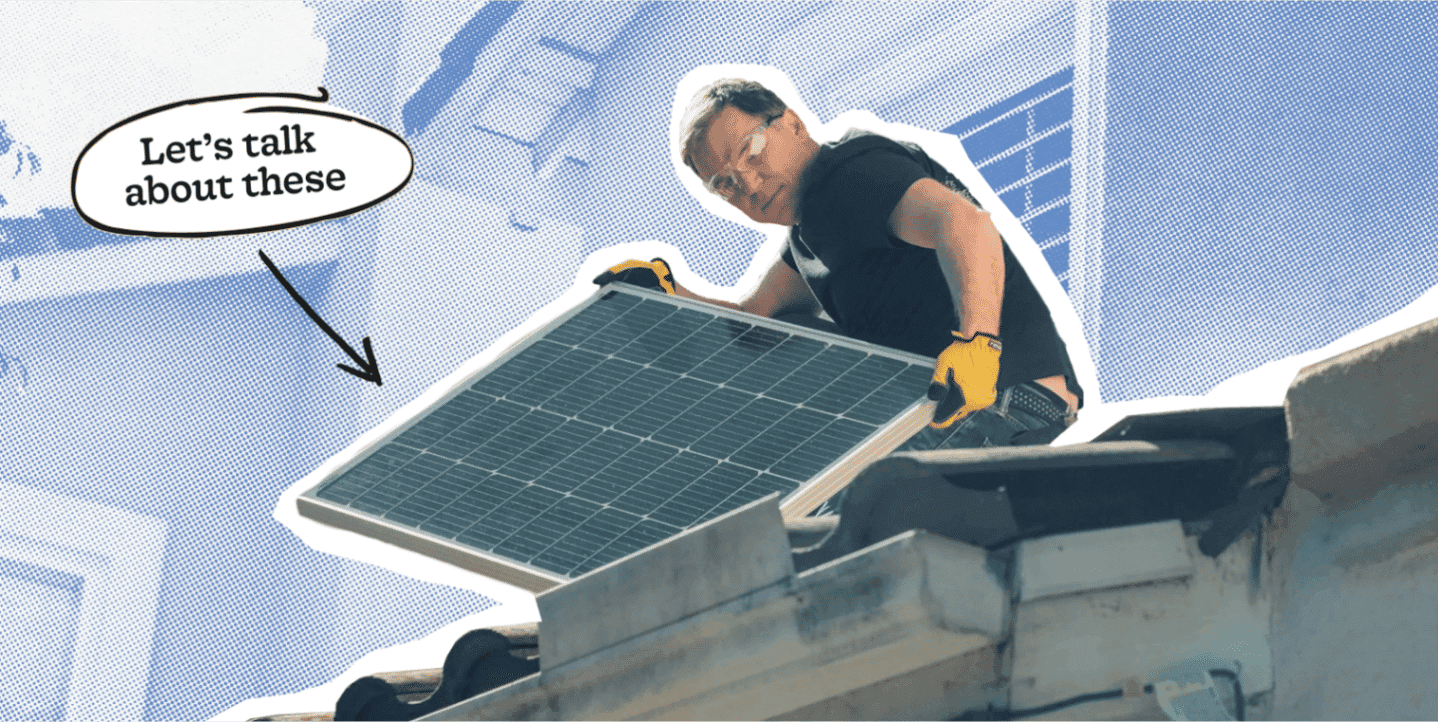
Plug-in solar panels are compact solar PV kits designed to generate a small amount of electricity without the cost or complexity of a full rooftop system.
Most setups include one or two solar panels, a microinverter, mounting brackets, and a standard UK plug.
Instead of being fixed to your roof, they are usually attached to a balcony, wall, fence, shed or garden frame.
Once set up and positioned in sunlight, the system generates electricity and feeds it into your home through a normal socket. The microinverter converts the electricity from DC to usable AC power, so your home can use it straight away.
The idea is simple - rather than exporting large amounts of energy or powering an entire property, plug-in solar is meant to shave a little off your daytime electricity use by covering part of your home’s constant background demand.
That is what makes them appealing. There is no major installation work, no scaffolding, and no need to commit to a full solar array.
For flat owners, renters, or households without a suitable roof, they are pitched as a low-cost, low-hassle entry point into solar.
But while the concept is straightforward, the reality has been less so. Unlike traditional solar PV, these systems feed electricity back into your home’s wiring through a plug socket rather than a hard-wired connection.
That has historically put them on the wrong side of UK electrical rules, which have treated plug-in generation as a safety concern rather than a mainstream consumer product.
So while plug-in solar panels are often marketed as the easiest way to start generating your own power, they have, until now, sat in a legal and technical grey area in the UK.
There is an important note to make here:
Some people online use the phrase “plug-in solar” to describe a portable battery power station charged by solar panels, which then powers appliances directly from the unit itself. That is not the same thing as feeding electricity into your home’s fixed wiring through a wall socket.
This blog is about the second category: grid-connected plug-in solar. That distinction matters because the current UK safety debate is about introducing generation into domestic wiring, not simply charging a battery unit from solar and using that as backup power.
🎥 Prefer video? Check out our video all about plug-in solar below:
Products readers are asking about:
A lot of the comments under our video mention EcoFlow products, but they do not all do the same thing. Some are best thought of as portable backup batteries, while others are balcony-style solar products that sit much closer to the UK plug-in solar debate.
Product | What it really is | Best for | How we’d describe it |
Portable power station | Backup power, camping, small appliances, solar charging | A portable battery unit, not the same as plug-in solar feeding your home wiring | |
Larger portable power station | Home backup, higher storage, solar charging | A bigger backup battery option for readers exploring energy independence | |
Balcony-style solar and battery product | Small-scale solar for flats or balconies | Closer to the plug-in solar products being discussed in the UK | |
Plug-in solar component | Balcony or plug-in solar setups | Relevant to the discussion, but not something to treat as a blanket “buy now” recommendation |
Prices are approximate RRPs as of April 2026; check retailers for current prices and deals (table includes affiliate links, which may earn us a small commission - at no extra cost to you.)
Important: Just because some of these products are already available online does not automatically mean they are approved for routine UK domestic plug-in use under finalised rules.
Some readers start with a portable power station before deciding whether full rooftop solar is worth it. That makes more sense than treating small balcony-solar hardware as a substitute for a proper roof-mounted solar system.
Are plug-in solar panels legal in the UK?
Not yet.
As of 26 March 2026, plug-in solar panels are still not legal for routine use in UK homes.
The Government announced on 24 March 2026 that it plans to update both the G98 grid code and BS 7671 wiring rules so sub-800W systems can plug into a normal domestic socket without needing an electrician, but those changes have not taken effect yet.
Ministers say products should reach shops within months, once the final safety standards are signed off.
That is the key point - the direction of travel is clear, but the legal framework is still catching up.
The caution is mainly about electrical safety. The IET has warned that some older homes may have wiring or protection devices that were never designed for electricity flowing back into a circuit.
In particular, older RCDs may not trip properly with plug-in generation, which could undermine shock protection in a fault.
So while plug-in solar is clearly on its way, the UK has not fully opened the door just yet.
Until the updated rules are formally in place, you should treat these systems as not yet approved for standard domestic use, however heavily they are being promoted.
But be in no doubt - plug-in solar is coming, but it is not fully legal today. Wait for the final rule changes, and if your home has older electrics, get a qualified electrician to check things before you buy anything.
Why do some people in the UK say they are already using EcoFlow systems?
Because they may be talking about something different.
In some cases, they are using a portable battery power station charged by solar panels and then powering appliances directly from that unit.
In other cases, they may be using imported balcony-solar products that include anti-islanding features but still sit ahead of a fully settled UK framework.
That does not automatically mean the wider legal and wiring questions have been resolved. Anti-islanding is part of the picture, not the whole picture.
The IET’s concerns go beyond simple grid disconnection and include household wiring, protective devices and fault behaviour.
How much electricity do plug-in solar panels generate?
Not much - and that is the key trade-off.
A typical 800W plug-in solar system in the UK will usually generate around 500 to 800 kWh a year in real-world conditions. That sounds decent on paper, but it is still only a small slice of household demand.
Most UK homes use somewhere in the region of 2,700 to 3,000 kWh a year, so even a strong-performing plug-in setup is only ever going to cover a modest share of your total usage.
And that is before timing comes into it.
Because plug-in solar only generates during daylight hours, the real benefit depends on when you use electricity.
If you are out all day and your home sits mostly idle, the savings will be limited.
If you are home during the day running appliances, working from home or covering steady background usage like a fridge, router and standby power, the system becomes more useful.
In other words, these panels are not designed to power an entire home. They are designed to nibble away at your daytime electricity use.
What affects output?
A few things can drag generation down quickly:
Poor orientation – south-facing is best, while east or west-facing setups usually generate less
Shade – trees, neighbouring buildings, balcony rails and fences can all cut output
UK weather – cloud, shorter winter days and weaker sunlight all limit performance
Mounting angle – balcony and ground-level systems are rarely positioned as efficiently as roof panels
That is why headline figures can be misleading. Manufacturer estimates are often based on ideal conditions, not a shaded balcony in Britain in November.
In reality, output is usually lower, more variable, and heavily weighted towards spring and summer.
So yes, plug-in solar can generate useful electricity - just not a huge amount of it.
How much could plug-in solar panels save you?
Not a fortune.
The Government has suggested plug-in solar could cut bills by around £70 to £110 a year, while more optimistic industry estimates put that closer to £100 to £150 if you are very good at using the power as it is generated.
That means being home during the day and shifting demand to sunny hours - running the washing machine, charging devices, or covering steady background loads instead of letting the electricity go spare.
That point matters, because self-consumption is everything with a small system like this.
The more of the solar power you use instantly, the more you save. If your home is empty most weekdays from 9 to 5, the financial upside drops fast.
The maths is fairly simple. An 800W system generating a few hundred kWh a year can only save you money on the electricity you would otherwise have bought from the grid.
So even with rising power prices, you are still looking at modest savings rather than dramatic bill cuts.
There is also a catch with export payments. In theory, the Smart Export Guarantee pays small generators for electricity sent back to the grid, but eligibility depends on meeting supplier criteria and having suitable export metering.
In practice, that means many plug-in kits may not offer the same export income potential as a conventional, fully certified solar installation.
So the real answer is that plug-in solar can trim your bills, but only by a bit.
It works best when you are home in the day, using what the panels produce there and then. Anything beyond that starts to look more like marketing than meaningful savings.
Pros and cons of plug-in solar panels
Pros:
Dirt-cheap upfront: £400–£1,000 for a decent kit versus £6,000+ for traditional solar.
Dead easy: no scaffolding, no planning permission (usually), portable if you move.
Perfect for flats, rented properties, garden offices or anyone blocked from roof solar.
Immediate daytime offset for fridges, laptops, routers and other always-on stuff.
Cons:
Tiny generation compared with a proper system.
Modest savings that could take 4–6 years to pay back – and that’s optimistic.
Safety and compliance still evolving; your house wiring might not be up to it.
No easy export income, no battery integration in most kits, limited scalability.
Looks a bit naff on some balconies and performs badly if shaded.
Plug-in solar panels vs traditional solar panels
Here’s the no-spin comparison for a typical UK home (figures from Energy Saving Trust, March 2026 data):
Aspect | Plug-in solar (<800W) | Traditional MCS-certified roof solar (3.5kWp) |
Upfront cost | £400–£1,000 | ~£6,100 |
Installation | DIY, plug in | Professional, roof-mounted |
Annual generation | 500–800 kWh | 3,000–4,000 kWh (location dependent) |
Typical annual savings | £70–£150 (self-consumption only) | £470–£650+ (with SEG) |
Payback period | 4–7 years (optimistic) | 10–13 years (with export) |
Export payments | Usually none | SEG tariffs (5–15p/kWh) |
Battery add-on | Rare and expensive | Straightforward |
Best for | Flats, renters, trial runs | Homeowners wanting maximum output |
Energy Saving Trust puts average traditional system payback at 10–15 years depending on where you live and how much you’re home. But the lifetime value is miles ahead.
A full roof system will usually crush a plug-in kit on every meaningful metric except “how quick can I get something working this weekend”.
Who might plug-in solar be right for?
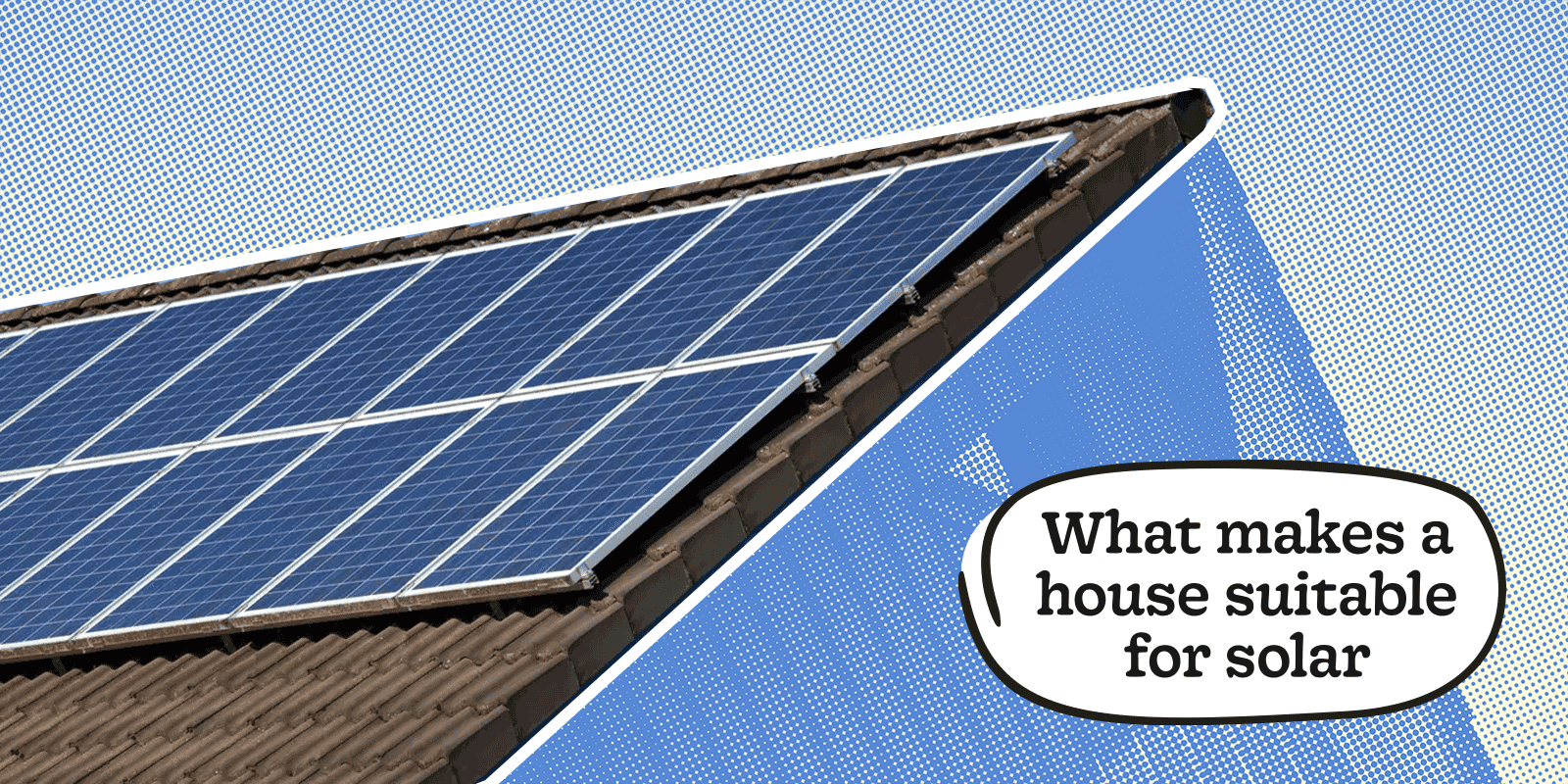
Plug-in solar makes the most sense for people who cannot install a full rooftop system but still want a small slice of the benefit.
That includes flat owners with a sunny balcony or outdoor space, renters who are not allowed to alter the building, and anyone who wants a lower-cost way to test whether solar works for their lifestyle before spending thousands on a full setup.
It is also a better fit for homes with consistent daytime electricity use.
If you work from home, run appliances during the day, charge an EV at home, or have a heat pump ticking along in daylight hours, you are far more likely to get useful value from a small system.
Who should probably avoid it?
If you own a home with a good south-facing, unshaded roof, plug-in solar is usually the wrong answer.
A proper roof-mounted solar system will generate far more electricity, deliver better long-term savings, and make a much bigger dent in your carbon footprint.
It is also not a good fit for anyone expecting dramatic results. These systems will not halve your bill, power your whole house, or unlock the same benefits as full solar with battery storage and export payments.
And if your home has older or questionable electrics, treat that as a red flag. Plug-in solar may look simple, but the wiring behind it still matters. An electrician should be your first stop, not the checkout page.
The verdict
Plug-in solar panels are a welcome step in the right direction.
For millions of UK households locked out of traditional solar - whether because they rent, live in a flat, or simply do not have a suitable roof - they could offer a cheaper, simpler way to generate at least some of their own electricity.
That part matters. For the right household, plug-in solar could be a useful workaround.
But it is still exactly that: a workaround.
These systems are small, limited, and heavily dependent on having the right setup, the right daytime usage habits, and safe electrics.
They are not a replacement for proper roof-mounted solar, and they are certainly not the answer for anyone hoping for major bill cuts or whole-home impact.
For most homeowners with a decent roof, traditional solar PV still wins comfortably on output, savings and long-term value.
It generates more, saves more, and gives you far more flexibility if you want battery storage or export payments later on.
So the real takeaway is simple: plug-in solar looks promising, but it is not a game-changer for everyone.
It could make sense as a low-cost entry point for renters, flat owners and cautious first-timers. For everyone else, full solar remains the better investment.
With products expected to reach shelves in the coming months, this is one to keep an eye on.
But until the final rules are in place and real-world products are available, it is worth treating the marketing with a bit of caution.
And if you have a suitable roof already, the smarter move is still the obvious one: get quotes for a proper solar PV system. That is where the meaningful savings live.
Next Steps For Your Solar Journey:
When planning to install solar panels for your home, there are several important factors to consider. Make sure to refer to the following guides to help you make informed decisions:
To dive deeper into these topics, head over to our advice section, check out our YouTube channel for informative videos, or read a customer case study to see how others have benefited from their solar installation.
Get a Quote for Solar Today
Without boasting you should get your solar installed with us, here's why:
Thousands of Happy Customers: We boast an average score of 4.9 on Trustpilot, outperforming the market leader.
Which? Trusted Trader: Heatable is proudly recognised as a Which? Trusted Trader.
MCS Accredited: Our accreditation by the Microgeneration Certification Scheme (MCS) ensures high-quality standards.
Exclusive Panels: We offer REA Fusion solar panels, available only through Heatable.
Consumer Protection: As members of the HIES consumer code, we provide 2-year deposit protection.
Flexible Payment Options: Choose from multiple payment methods, including finance options.
Fixed Price Guarantee: Enjoy transparency with no hidden costs.
Save Your Quote: You can save your quote and decide later.
Bespoke Design Tool: Draw your own conclusion (literally) on whether solar is worth it for you, here.