
It’s one of the most common questions we get: If I install solar panels and a home battery… and the grid goes down… will my lights stay on?
In most UK homes, the answer is no.
If the grid fails, your solar and battery system will normally shut down automatically - and your house goes dark like everyone else’s.
That sounds ridiculous until you understand why it happens (and what you can do about it).
PS We offer MCS-certified battery installation nationwide. Simply answer these questions, get your fixed price, and arrange your free design.
Why your solar and battery switch off when the grid fails
This isn’t your battery being “useless”. It’s electrical safety.
In the UK, grid-tied solar and battery systems must shut down during a power cut because engineers may be repairing a fault on the local network.
If your home kept exporting power onto what’s supposed to be a “dead” line, it could create a real shock risk.
So the rule is simple: no grid → no exporting → inverter shuts off → solar and battery stop feeding the house.
That’s the default behaviour.
But if backup power matters to you, there are ways around it.
🎥 Prefer video? Check out our YouTube video explaining how battery storage may perform during a power cut:
Option 1: Backup port (EPS) for essentials
This is the simplest, cheapest way to get some power during an outage.
Many hybrid inverters come with a backup/EPS port. Think of it as a dedicated output that can feed a small selection of circuits when the grid drops.
The usual setup is a “mini consumer unit” (a small fuse board) sitting next to your main one, powering only your chosen essentials.
In a typical home, that might mean a few lights, the broadband, and a socket ring for charging phones or keeping the fridge running.
The important part is that you don’t try to back up your entire house from a modest inverter. You choose critical circuits and keep it realistic.
There’s one extra wrinkle: earthing.
When you run circuits “off-grid” from a backup port, you usually need a dedicated earth arrangement, commonly an earth rod.
That’s a proper part of the install, not an optional extra, and it’s why backup isn’t always as cheap as people expect.
As a rough guide, using a backup port tends to cost around £600–£1,000, depending on cable runs and how many circuits you want covered.
Option 2: Backup gateway (whole-home style backup)
If you want the “proper” version - the one where the power cut happens and the house just… keeps going - you’re looking at a backup gateway system.
A gateway sits between your grid supply and your consumer unit. It detects a grid failure instantly, isolates your home from the network, and switches to battery power automatically.
The clever part is that it can also simulate the grid signal so your solar and inverter can continue operating while the grid is down.
That means if it’s daylight, your solar can still generate and top up the battery while you’re running the house - which is a big deal in longer outages.
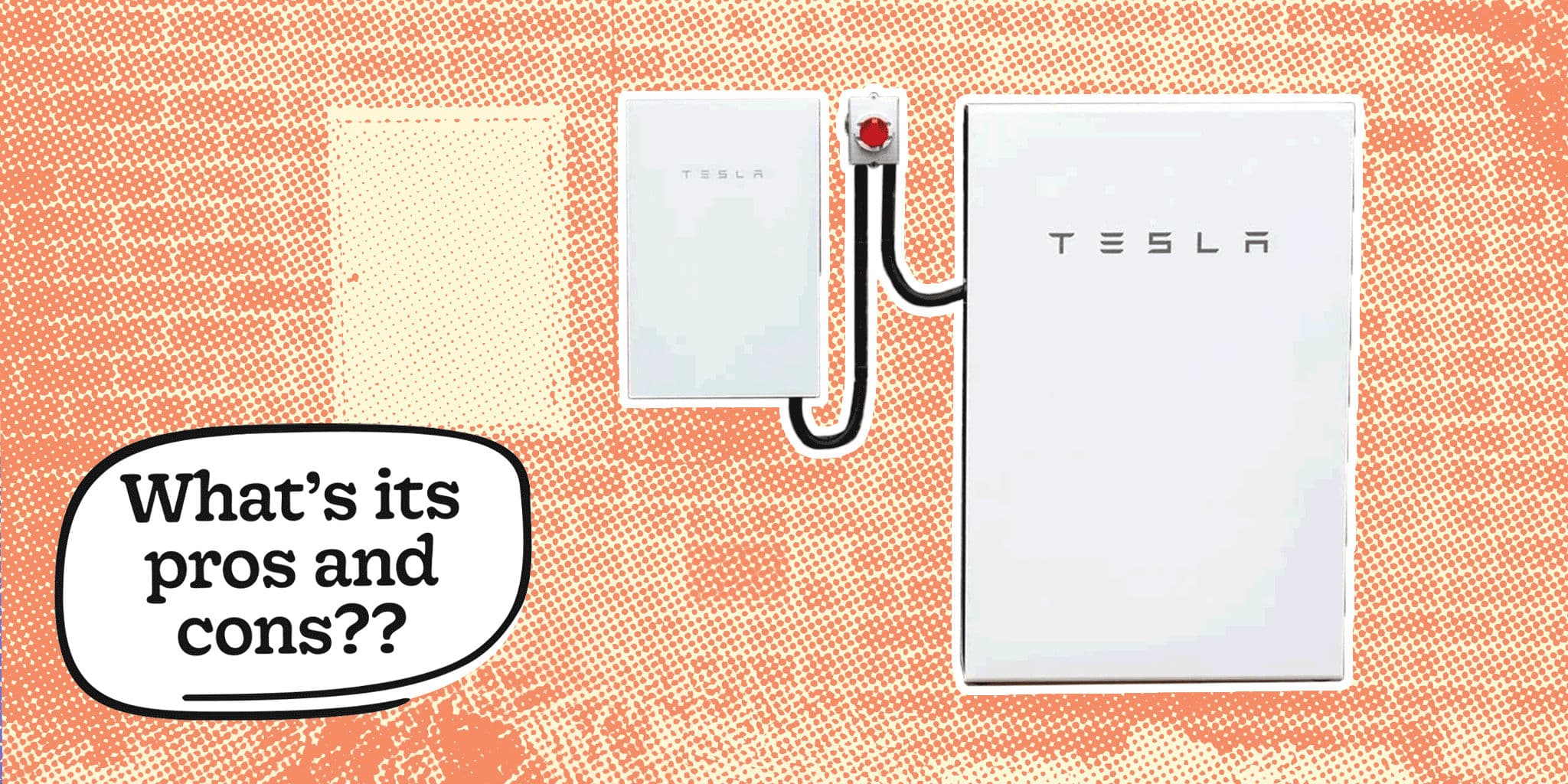
Two of the best-known gateway options we fit are Tesla Powerwall 3 and Sigenergy SigenStor, both with optional backup gateways. In the transcript pricing, the gateway add-on is quoted at £1,000 installed.
Just like with backup ports, compliant gateway installs still typically require dedicated earthing.
One genuinely smart thing you can do with gateway systems is set a backup reserve (say 20–30%).
That way your battery doesn’t discharge all the way down day-to-day, and you’ve always got something in the tank if the grid fails.
Option 3: Fully off-grid systems (specialist)
The third route is designing a home to run without the grid at all. That’s not really “backup power” - it’s a completely different type of system.
It usually means a much larger solar array, much more battery storage, and careful planning around winter generation.
There are specialist brands and installers in this space (Victron is often mentioned), but it’s not the typical route for UK homes because of cost and complexity.
Most people don’t need full off-grid. They just want their essentials (or whole house) covered during outages.
So what should you actually choose?
If you just want to keep basics running - lights, Wi-Fi, fridge, phone charging - a backup port + critical circuits setup is usually the best value.
If backup power is genuinely essential, or you want a more seamless experience, a gateway system is the better solution.
It’s typically more expensive overall, but it’s also the one that feels like you’ve bought “proper backup”.
The key point is this: a battery doesn’t automatically equal backup power. Backup needs to be designed in.
What does backup power cost?
Based on the figures discussed in the transcript:
A backup gateway add-on for systems like Powerwall 3 or SigenStor is £1,000 installed.
A backup port setup is typically £600–£1,000, because pricing depends heavily on your home layout: how far the battery is from the consumer unit, how tricky cable routing is, and how many circuits you want backed up.
The mistake most people make
They buy solar + battery assuming it’s a blackout solution - and only find out during the first outage that everything shuts down.
If backup matters to you, bring it up at the design stage and get it priced and wired properly from day one.
Want a system that actually provides backup power?
If you want backup power included in your design - whether that’s essentials only or whole-home style backup - you can book a free design call with Heatable and we’ll walk you through the options for your property and priorities.
Next Steps For Your Battery Journey:
When planning to install battery storage for your home, there are several important factors to consider. Make sure to refer to the following guides to help you make informed decisions:
To dive deeper into these topics, head over to our advice section, check out our YouTube channel for informative videos, or read a customer case study to see how others have benefited from their battery installation.
Get a Quote for a Battery Today
Without boasting, you should get your battery storage installed with us, here's why:
Thousands of Happy Customers: We boast an average score of 4.9 on Trustpilot, outperforming the market leader.
Which? Trusted Trader: Heatable is proudly recognised as a Which? Trusted Trader.
Tesla Certified Installer: Heatable is proudly certified and approved by Tesla to install the Powerwall.
MCS Accredited: Our accreditation by the Microgeneration Certification Scheme (MCS) ensures high-quality standards.
Consumer Protection: As members of the HIES consumer code, we provide 2-year deposit protection.
Flexible Payment Options: Choose from multiple payment methods, including finance options.
Fixed Price Guarantee: Enjoy transparency with no hidden costs.
Save Your Quote: You can save your quote and decide later.
Bespoke Battery Quote Tool: Find out which battery is ideal for your home, here.

![What size solar battery do I need? [UK, 2026]](/_next/image?url=https%3A%2F%2Fassets.heatable.co.uk%2F1720791617113_Fc5oG64OI.png&w=3840&q=75)