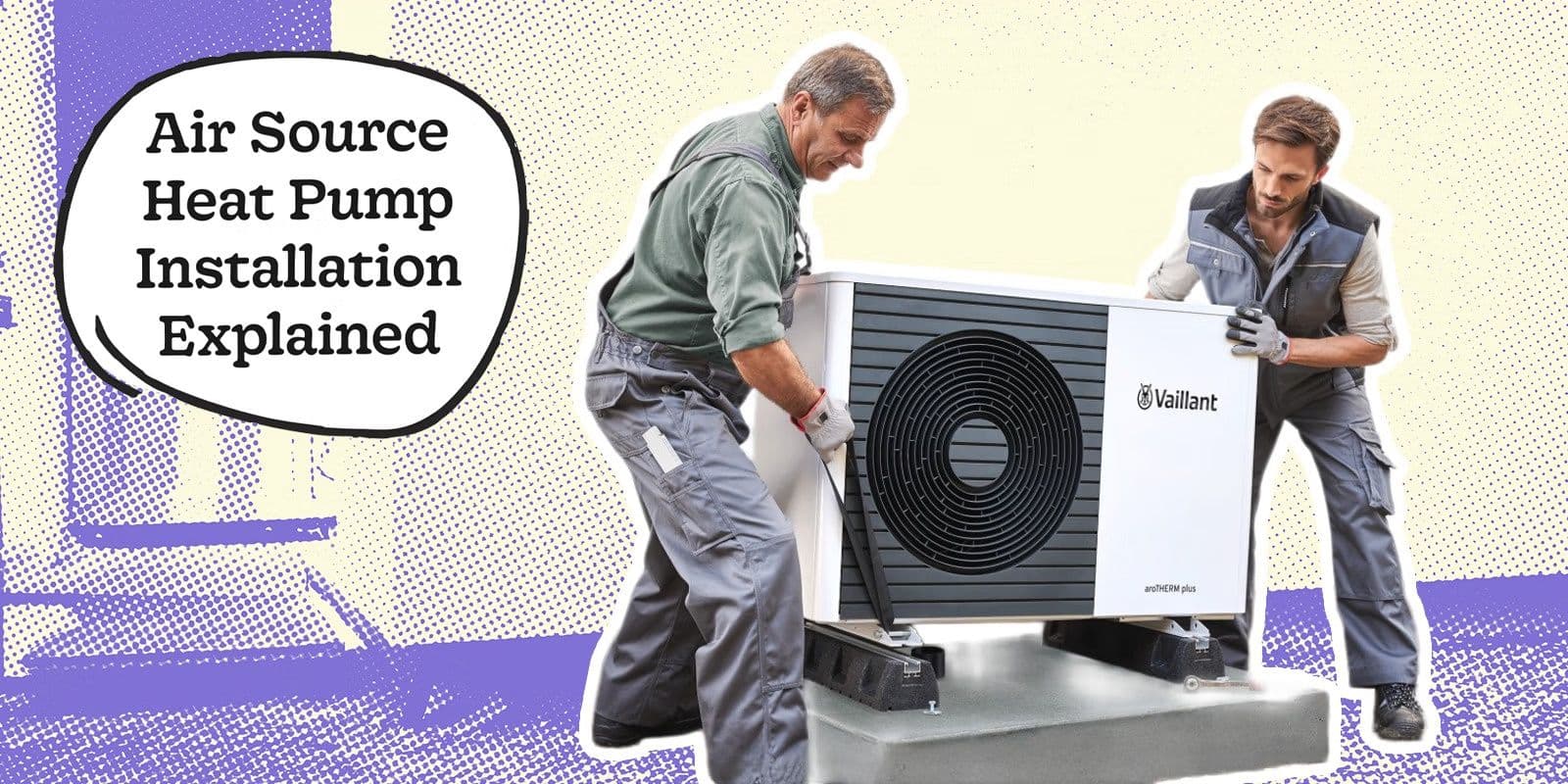

No, air source heat pumps aren’t delivered by storks - they’re installed. Find out exactly how here.
Air source heat pumps are fantastic alternatives to boilers, keeping you warm without burning fossil fuels. And crucially, without breaking the bank either. Especially as you can save up to £7,500 off the cost of installing one with the UK government’s Boiler Upgrade Scheme (BUS).
Heat pump running costs right now are either slightly higher or at least comparable to A-rated gas boilers. But it’s not by much - the Energy Saving Trust says it’s just £14 more, and if you compare a heat pump to an old, G-rated boiler, heat pumps actually cost around £340 less to run.
Regardless, electricity prices will fall as more renewable energy sources are added to the grid and getting a heat pump should really be seen as future-proofing your home’s heating.
If you’re ready to make the switch, here’s everything you’ll need to know about how your shiny new heat pump will be installed.
Ready to make your home more energy-efficient and cut down on your heating bills? Get a heat pump quote today.
🔑 Key Points:
Installers take between two and four days to install a typical air source heat pump
Heat pumps shrink your carbon emissions
If you have an old G-rated boiler, heat pumps can save a lot of money too
Your installer should apply for the Boiler Upgrade Scheme on your behalf, deducting this from their final price
Only use MCS-certified installers
How Are Air Source Heat Pumps Installed?
Installing a heat pump is a smooth process, provided the installer you hire follows professional standards (which any MCS-certified installer will).
Here’s a breakdown of how your heat pump will be installed, from start to finish:
Pre-installation survey
Your prospective installer should send a heating engineer to conduct a pre-installation survey.
They’ll assess your home and do a heat loss calculation to work out exactly what size heat pump your home will need. This is an essential step to make sure your heat pump runs as efficiently as possible, so you’re not wasting energy (and spending more money as a result).
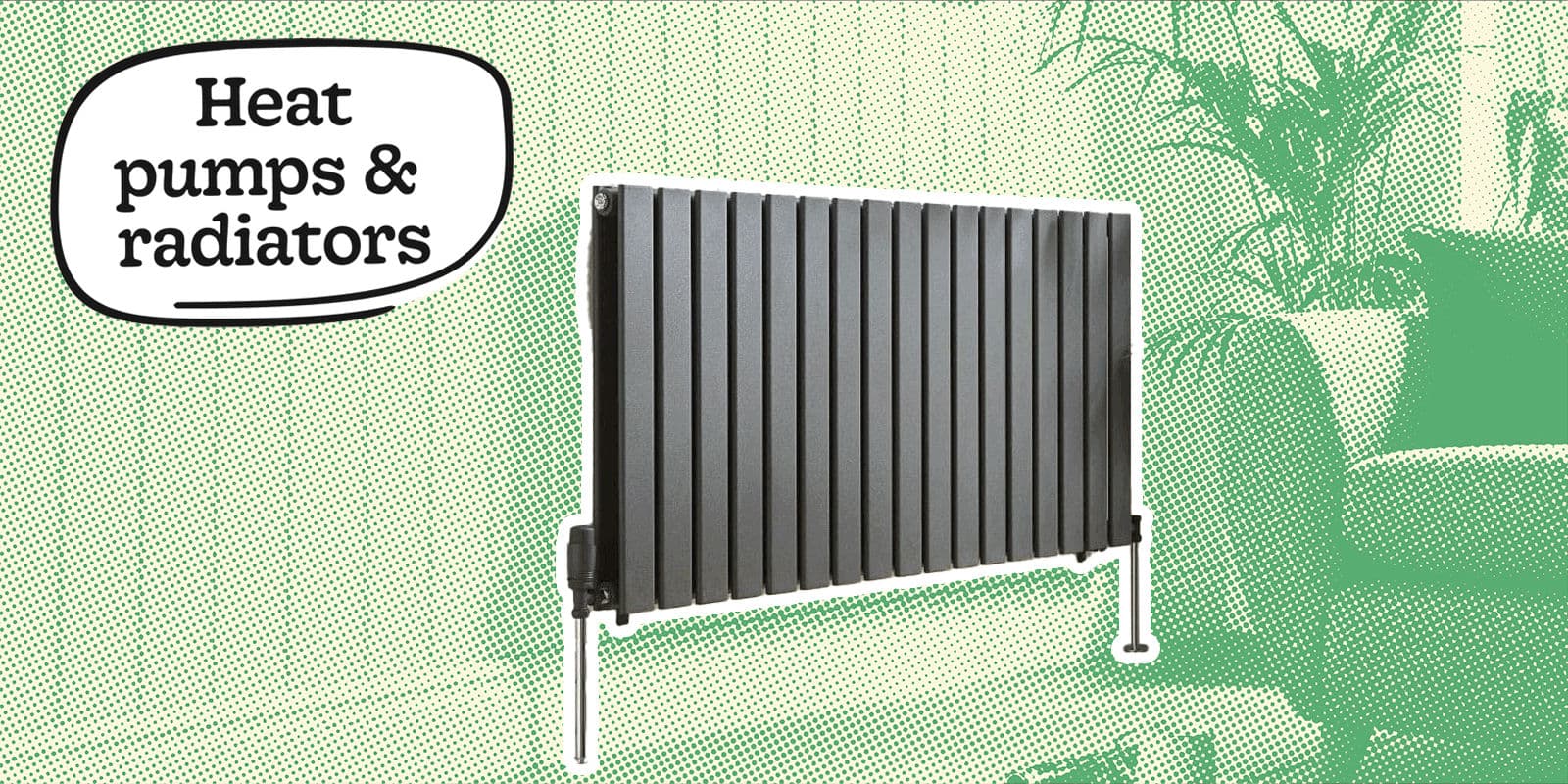
Installers will consider factors such as size of your radiators (bigger is better for heat pumps), whether you have underfloor heating (UFH), how many rooms you need to heat, and your home’s insulation.
Once they’ve worked out how much heat regularly escapes your home, they’ll know what size heat pump you need. The more heat your home leaks, the bigger the heat pump you’ll need.
Your installer might suggest getting larger radiators, better insulation, or UFH to make your home more suitable for a heat pump. You might even find they can do these improvements when they install the heat pump, but naturally this will add to the total cost.
You might also find you don’t need new radiators, as lots of UK homes already have suitably sized, heat-pump ready radiators without realising it!
Installers will also work out if you need any additional pipework, and they’ll estimate how big a water cylinder you’ll need.
Cylinders for heat pumps are typically larger, because the lower flow temperature of heat pumps means they need more water to account for the slower heat transfer. Larger tanks take longer to heat up, but they’ll stay warm for longer, which makes them more efficient in the long run.
Design and Quote
After the survey, your installer will give you as accurate a quote as they can. Make sure they give you details on key factors such as the heat pump’s target flow temperatures, any warranties/guarantees, and how easy/difficult it would be to upgrade the heat pump in the future.
Be sure to check the quote also includes removing your existing gas boiler (if you have one) and replacing any pipework (if necessary).
It’s also worth asking about controls, as you’ll want to know how you’ll be adjusting settings on the heat pump. This is typically done by a combination of an app on your smartphone and a smart thermostat.
Preparation
Once you’re happy with the design and the quote, the installer will prepare for installing the outdoor brace/bracket and condensate pan (which’ll collect water produced during the heat pump’s operation.
There’ll also factor in any noise considerations, as this will affect where the heat pump is installed - it’ll be in a location that won’t impact you or any potential neighbours. Heat pumps are pretty quiet though, with most models rarely exceeding 45 decibels.
Installation Days
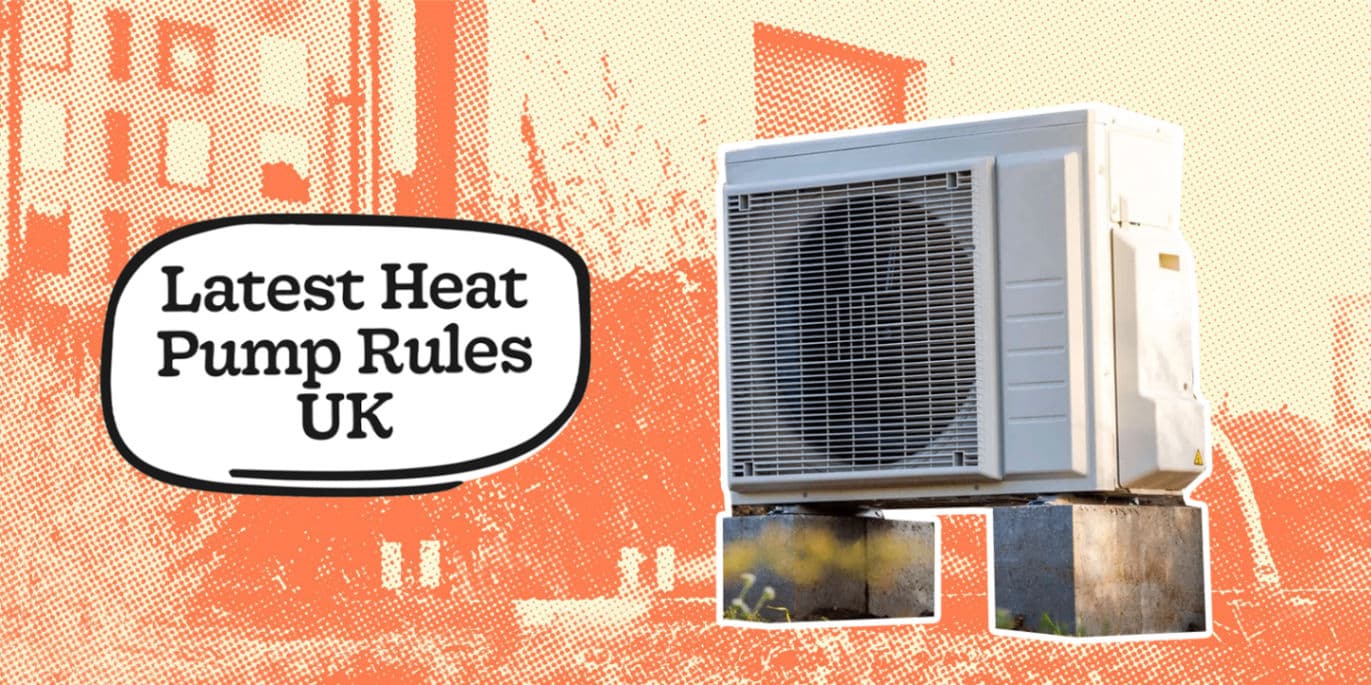
This is when the real work starts! Throughout the installation days, your installer will install the outdoor unit, which’ll be placed in a location with easy access to air.
They’ll attach the unit to a flat concrete base, or in some instances to the external wall using brackets (which will keep the heat pump secure in different weather conditions).
Then there’s the indoor hydraulics, which is the connection between the indoor and outdoor units for split systems. For monobloc systems, the water pipes connect directly from the outdoor unit to your home’s heating system. This process usually involves drilling a small hole through an external wall.
Your installer will also set up a compatible water cylinder (if your system uses one), typically in a utility room, an airing cupboard, or otherwise. You’ll usually need a new cylinder, as most cylinders used with conventional boilers are too small to work effectively with a heat pump.
They’ll work out the exact size you need, but roughly speaking:
One to two-bedroom homes will require a 150-litre cylinder
Three-bedroom homes will need a 200-litre cylinder
Homes with four or more bedrooms might need a cylinder that’s 300 litres or more
And finally, the installer will sort out any necessary electrics, including connecting the system to any thermostats and sensors, and add an inhibitor to the system (if required).
An inhibitor in this instance is a refrigerant that prevents your heat pump’s pipework from corroding or freezing.
Getting the Heat Pump Up and Running
Once the unit and all its bits and bobs are installed, your installer will help get the heat pump up and running - this is known as the commissioning process.
For starters they’ll make sure the heat pump functions properly, checking for any leaks and bleeding air out of the system if needed. If the radiators need balancing, your installer will do that too.
They’ll also get the ball rolling on an essential process called weather compensation, which is where the heat pump automatically adjusts the flow temperature depending on the weather.
If it’s particularly cold outside, the heat pump will increase the flow temperature to compensate, and vice versa for when the weather gets warmer.
You should be given a demonstration of how the heat pump controls work too. The installer will cover how to keep your home warm and how to keep your heat pump running as efficiently as possible.
Heat pumps work differently to boilers after all - instead of firing in short bursts, heat pumps work best when running at a lower temperature for longer periods.
If you have any questions about how to control your heat pump, your installer will be more than happy to answer them. This goes for any other questions you may have about using your heat pump. If any come to mind after your installer has finished, keep their details to hand so you can ask later on.
Paperwork and Aftercare
All certified heat pump installers will provide you with the necessary paperwork after your heat pump is installed. This includes information on your warranty and any guarantee you may or may not have, plus a copy of the MCS certificate.
For aftercare, some installers will schedule a follow-up call or visit a few months after installation. Heat pumps thankfully require little maintenance too, but you should still consider annual servicing to make sure everything is running smoothly.
An engineer conducting maintenance on your heat pump will check refrigerant fluid levels, electrical connections, and make sure your system is running as optimally as possible.
Read more:
How Long Does It Take To Install a Heat Pump?
The length of time needed to install a heat pump will depend on the complexity of the setup, and any necessary additions. Do you need new radiators and/or UFH? This will add at least an extra day onto the installation timeline.
Typically though, the installation from start to finish will take two to four days. Factor in the heat loss survey too, which can take up to four hours.
If you want to minimise disruption during the installation process, consider getting your heat pump installed between March and September. That way, your home’s internal temperature won’t change much while your existing heating system is being replaced.
How To Spot a Bad Heat Pump Installation
As unlikely as it’ll be with a properly certified installer, there’s a chance your heat pump installation won’t be up to scratch. Here’s what to look for in a bad heat pump installation:
No proper heat-loss calculation: This is an immediate red flag. If you don’t get a proper heat-loss calculation, there’s no way of truly knowing what size heat pump your home will need.
Your home will potentially be left with an undersized or oversized heat pump based on guesswork, which’ll mean an inefficient system that’ll waste your money.
No post-installation discussion of flow temperature strategy or control setup: Your installer should discuss the right flow temperature for your unique setup.
Without an optimal flow temperature, your heat pump won’t be running as efficiently as it should, and your running costs will be higher than necessary. Also, your installer should clearly explain how the controls work, so you can easily make any adjustments to the heat pump yourself.
Poor performance: If your rooms are unevenly heated (some spots too hot, some spots too cold), it’s a sign of a bad installation. This is usually a result of a poor heat-loss calculation, but also likely a sign your radiators aren’t properly sized.
Vague commissioning and no proper handover: Your heat pump should be properly commissioned after it’s installed. This includes the flow rates being set correctly, making sure your radiators are balanced (so every radiator heats evenly), and programming heating curves.
The handover should also be thorough. You should get all proper documentation (including the MCS certificate), warranty information, and the full details of your heat pump.
Do I Need Planning Permission To Install a Heat Pump?
Your installer will assess your property and advise you on whether you need planning permission.
Generally you won’t need it, but there are restrictions that differ by region. For example, the external unit of heat pumps installed in England can’t exceed 1.5m³ (which is a very generous size to be clear).
If you’re still unsure, contact your local planning authority (LPA) through your local council.
Questions To Ask Installers Before You Sign
Before you sign anything, clarify the following with your prospective installer:
What is the full scope of work? You’ll want information on any necessary radiator/UFH upgrades, any modifications to pipework, whether you need electrical upgrades, and if you need a new thermostat. Ask them about integration with existing hot water systems too, because you might need a new, larger hot water cylinder.
How will the heat pump system be designed? Your installer should conduct a thorough heat-loss calculation to make sure your heat pump is properly sized to meet your home’s heating requirements.
What temperature performance is guaranteed? You should get a temperature guarantee - for example, an installer might promise that the heat pump will maintain an indoor temperature of between 18°C and 21°C even on the coldest days.
What is included in the final price? Ideally, your installer should confirm exactly what you’re paying for.
The heat pump itself, labour, MCS registration, system commissioning (including the handover and any documentation), and any necessary insulation or efficiency upgrades should be included.
It’s worth asking too if there’s anything that could lead to extra costs, such as unexpected electrical upgrades or planning permission fees.
What warranties do you provide? Warranties are typically 5-10 years for the manufacturer warranty, and one to two years for post-installation labour from the installer itself. Some installers, such as Aira, offer warranties up to 15 years or more.
How are post-installation issues handled? It’s a good idea to ask about response times for any post-installation support you might need.
You should always compare multiple heat pump quotes, rather than rush into the first one you get.
Installation Checklist
Here’s a checklist of things to keep in mind during the installation process:
Check IDs: When the installers turn up, there’s no harm in quickly checking that they’re from the company you hired.
Review the plan: Ask your installers for a quick runthrough of the installation process, and whether there are any last-minute changes to plan.
Verify the outdoor unit placement: Get a picture of the outdoor installation (including the heat pump’s surroundings), in case anything goes wrong and you need to provide evidence of exactly where the unit was installed.
Do the same for the indoor components: Grab a few pictures of any visible connections and make sure the wiring between the indoor and outdoor units is neat, insulated, and secure. Photograph new radiators and water cylinders (if you have them installed). If you can, get several before and after pictures.
Ask for a demonstration: Any installer worth its salt will give you a complete demonstration of how your heat pump works and how to control it. We’re only human though, and if an installer somehow forgets, there’s no harm in gently nudging them on the day.
Check the site is clean: Installers should leave as little mess as possible and should properly dispose of any debris or old equipment. If they haven’t, take pictures of the mess left behind as evidence if you choose to raise a complaint with them.
What Paperwork Should You Receive?
During the handover process, make sure your installer gives you the following documentation before the final payment:
MCS and electrical certificates.
Insurance documents (warranties/guarantees for labour and installation defects).
Full details of your shiny new heat pump, including specifications, heat loss calculations, and design temperatures.
Maintenance details with recommendations for annual servicing and basic tasks you can do (such as cleaning debris from the outdoor unit).
Compliance or permit documents; e.g. building regulations approval or planning permission confirmation (if this was required).
If there’s anything missing, ask your installer about it before signing off.
Next Steps For Your Heat Pump Journey:
When planning to install a heat pump for your home, there are several important factors to consider. Make sure to refer to the following guides to help you make informed decisions:
To dive deeper into these topics, head over to our advice section or check out our YouTube channel to learn more.
Get A Quote From Us Today
Without boasting, get your new heat pump quote and buy from us, here’s why:
Gas Safe installation within 24 hours.
Thousands of satisfied customers with an average score of 4.9 on Trustpilot, surpassing the market leader.
Which? Trusted Trader: Heatable is proudly recognised as a Which? Trusted Trader.
Flexible payment options, including interest-free finance.
Up to 12-year guarantee on selected heat pumps.
Fixed price guarantee: No hidden costs.
Save your quote and decide later.
Get an instant fixed price on a heat pump, here.
Heat Happy.