
Anyone considering a new heat pump will eventually ask the big question: which brand is best?
The honest answer is that there is no single heat pump that suits every home.
The best choice depends on your property's heat loss, the flow temperature your radiators need, the space available for the outdoor and indoor units, local noise considerations and the quality of the system design.
That does not mean all heat pumps are the same, though. Efficiency, output range, noise, controls, warranty cover and installer support can differ considerably between manufacturers.
In this guide, we compare ten of the leading heat pump brands and their standout domestic air-to-water models.
For 2026, the Vaillant aroTHERM plus takes our number-one position, followed by the Bosch Compress 5800i AW in second and the Samsung EHS Mono R290 in third.
Interested in how heat pumps compare with conventional heating? Read our gas boilers vs heat pumps guide, where we compare installation costs, efficiency and running costs.
💨 Ready to make your home more energy-efficient and cut down on your heating bills? Get a heat pump quote today.
🔑 Key Points:
Best overall: Bosch Compress 5800i AW
Best for a broad range of UK homes: Vaillant aroTHERM plus
Best for smart controls and higher-output options: Samsung EHS Mono R290
A good installation and accurate heat-loss calculation matter just as much as the badge on the unit.
Compare seasonal efficiency at the flow temperature your home actually needs, rather than relying on one headline COP figure.
The typical cost of an air source heat pump installation is around £11,000 before funding, although the final price depends on the property and any radiator, cylinder or electrical work required.
Under the Boiler Upgrade Scheme, eligible homes in England and Wales can receive £7,500 towards an air-to-water or ground source heat pump. Some eligible off-gas-grid homes replacing oil or LPG heating can receive £9,000 until 31 March 2027.
How we ranked the best heat pump brands
There is no universal league table for heat pumps, so this is an editorial ranking rather than the result of one laboratory test. We considered:
Seasonal efficiency and performance at typical UK design conditions
Maximum flow temperature and suitability for retrofit projects
Available outputs and the range of homes each model can serve
Outdoor-unit noise and independent Quiet Mark certification where applicable
Refrigerant choice and global warming potential
Controls, monitoring and smart-home features
Manufacturer support, installer availability and servicing
Standard and extended guarantee options
Ease of installation and maintenance
Published efficiency and sound figures are measured under defined test conditions. Real-world performance depends on the design, installation, weather, controls and how the household uses heating and hot water.
The 10 best heat pump brands in the UK
Vaillant aroTHERM plus - Best overall
Bosch Compress 5800i AW - Wide model choice and retrofit projects
Samsung EHS Mono R290 - Smart controls and higher-output homes
Daikin Altherma 4 H - Cold-weather performance
Mitsubishi Electric Ecodan R290 - Established UK heating ecosystem
Viessmann Vitocal 150-A - Efficient retrofit systems
NIBE S2125 - High-temperature performance in cold weather
Grant Aerona 290 - Installer-friendly design and guarantee cover
LG THERMA V R290 Monobloc - Quiet operation and modern design
Panasonic Aquarea L Generation - Flexible hydraulic split systems
#1 Vaillant aroTHERM plus (Best Heat Pumps)

The Vaillant aroTHERM plus takes second place and runs Bosch very close.
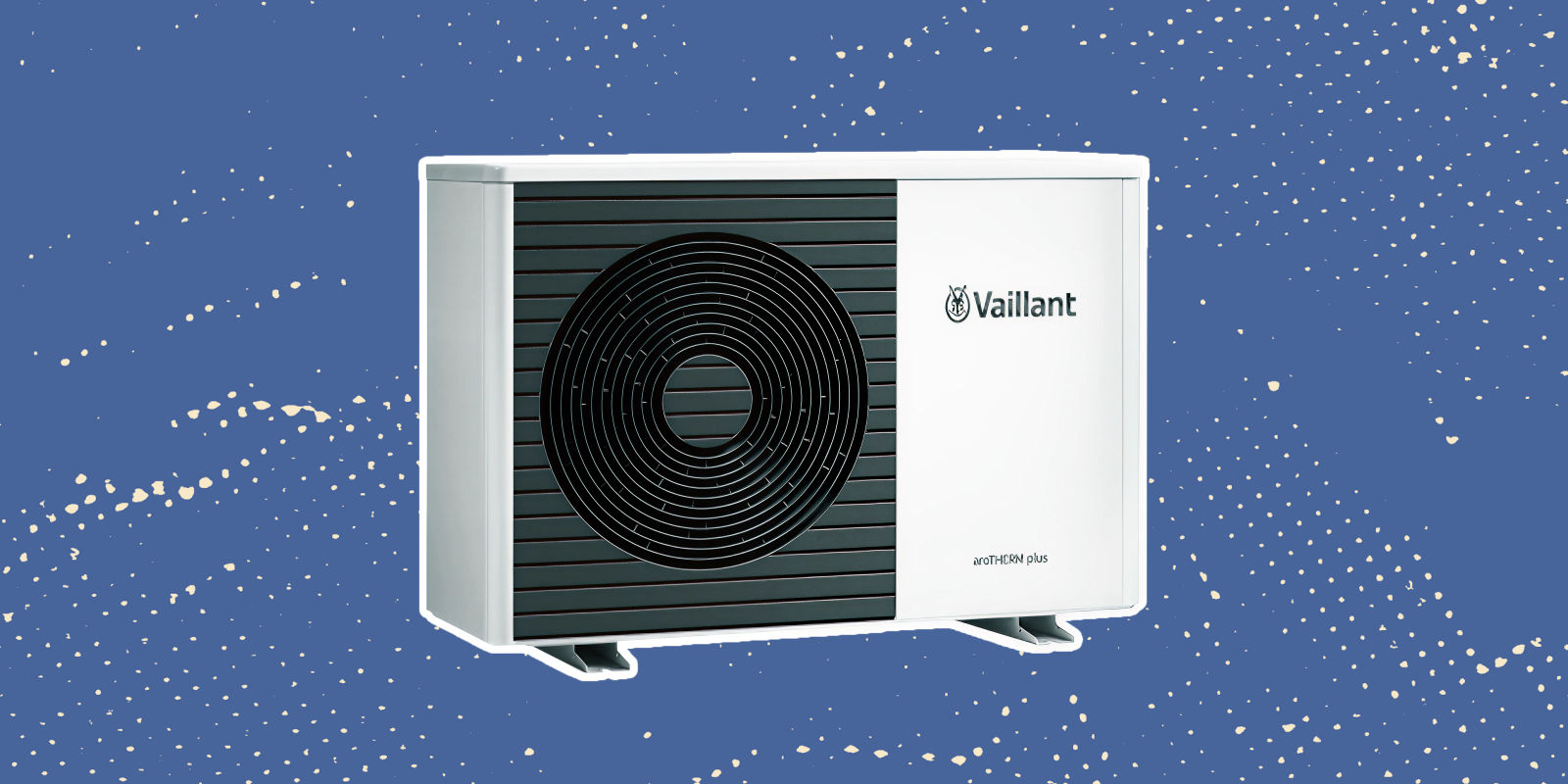
Vaillant offers the aroTHERM plus in 3.5kW, 5kW, 7kW, 10kW and 12kW outputs. That broader choice gives installers flexibility when designing systems for everything from low-heat-loss new builds to larger retrofit properties.
The aroTHERM plus uses R290 refrigerant and can provide a flow temperature of up to 75°C.
It carries an A+++ energy-efficiency class and can be paired with Vaillant's uniSTOR cylinder, sensoCOMFORT control and myVAILLANT app ecosystem.
Low noise is a major selling point. The range has Quiet Mark certification, although Vaillant states that the 10kW model is excluded.
As always, the exact sound data for the proposed model and operating mode should be checked during the survey.
🎥 Watch Our Vaillant aroTHERM Plus Heat Pump Case Study
Prefer to see the heat pump rather than read several thousand words about one?
In our case study, we take a closer look at the Vaillant aroTherm, including its construction, controls, key components and how it performed in a UK home:
Why it ranks first
The aroTHERM plus is a polished, efficient and highly versatile system from a brand with a well-established UK heating network.
Its wider output range may make it a better fit than the Bosch for some homes.
Vaillant aroTHERM plus key facts
Outputs: 3.5kW, 5kW, 7kW, 10kW and 12kW
Energy class: A+++
Maximum flow temperature: Up to 75°C
Refrigerant: R290
Noise: Quiet Mark certified, excluding the 10kW model
Controls: sensoCOMFORT and optional myVAILLANT connectivity
Guarantee: Two years as standard, extendable to up to seven years on qualifying installations
#2 Worcester Bosch Compress

Bosch, also widely known in the UK through the Worcester Bosch name, takes our top spot with the Compress 5800i AW.

The Compress 5800i AW is a compact air-to-water heat pump designed with UK homes and weather in mind. It is available in 4kW, 5kW and 7kW versions, making it a strong option for many small and medium-sized homes once the correct heat-loss calculation has been completed.
Efficiency is rated A+++ at a 35°C flow temperature and A++ at 55°C. The unit can deliver a maximum flow temperature of up to 75°C, giving system designers more flexibility in suitable retrofit projects.
High-temperature capability does not remove the need for proper radiator sizing, but it can help where a home cannot run at very low flow temperatures throughout the year.
Noise is another strength. Depending on the output, Bosch publishes sound-pressure figures of 32–34dB(A) at one metre, and the unit is Quiet Mark certified.
The low-GWP R290 refrigerant and modern monobloc design also bring the model into line with the latest generation of domestic heat pumps.
The system can be connected to the Bosch HomeCom Easy app for control and remote monitoring. An all-in-one pre-plumbed cylinder is available to reduce the amount of separate equipment required indoors and simplify some installations.
Why it ranks second
The Compress 5800i AW offers an excellent all-round combination of efficiency, quiet operation, high flow temperature, connected controls and UK manufacturer support.
Its main limitation is the 4–7kW range: larger or higher-heat-loss homes may require a different Bosch model or another manufacturer with higher outputs.
Bosch Compress 5800i AW key facts
Outputs: 4kW, 5kW and 7kW
Energy class: A+++ at 35°C; A++ at 55°C
Maximum flow temperature: Up to 75°C
Refrigerant: R290
Noise: Quiet Mark certified; model-dependent sound figures
Controls: Bosch HomeCom Easy app
Guarantee: Up to seven years on qualifying installations, subject to registration and terms
More heat pump guides:
#3 Samsung EHS Mono R290: best for smart heating
Samsung takes third place with the EHS Mono R290, a high-temperature monobloc heat pump with a particularly broad capacity range.
The model is available in 5kW, 8kW, 12kW and 16kW outputs. It can supply water at up to 75°C under specified conditions and operate in heating mode at outdoor temperatures down to -25°C. The 5kW version is rated A+++ at 35°C and A++ at 55°C, with exact performance varying by model and system configuration.
As the name suggests, the unit uses R290 refrigerant. Samsung quotes sound levels as low as 35dB(A) at three metres in its defined test conditions, while the double-layered insulation and noise-reducing design aim to limit disturbance in residential settings.
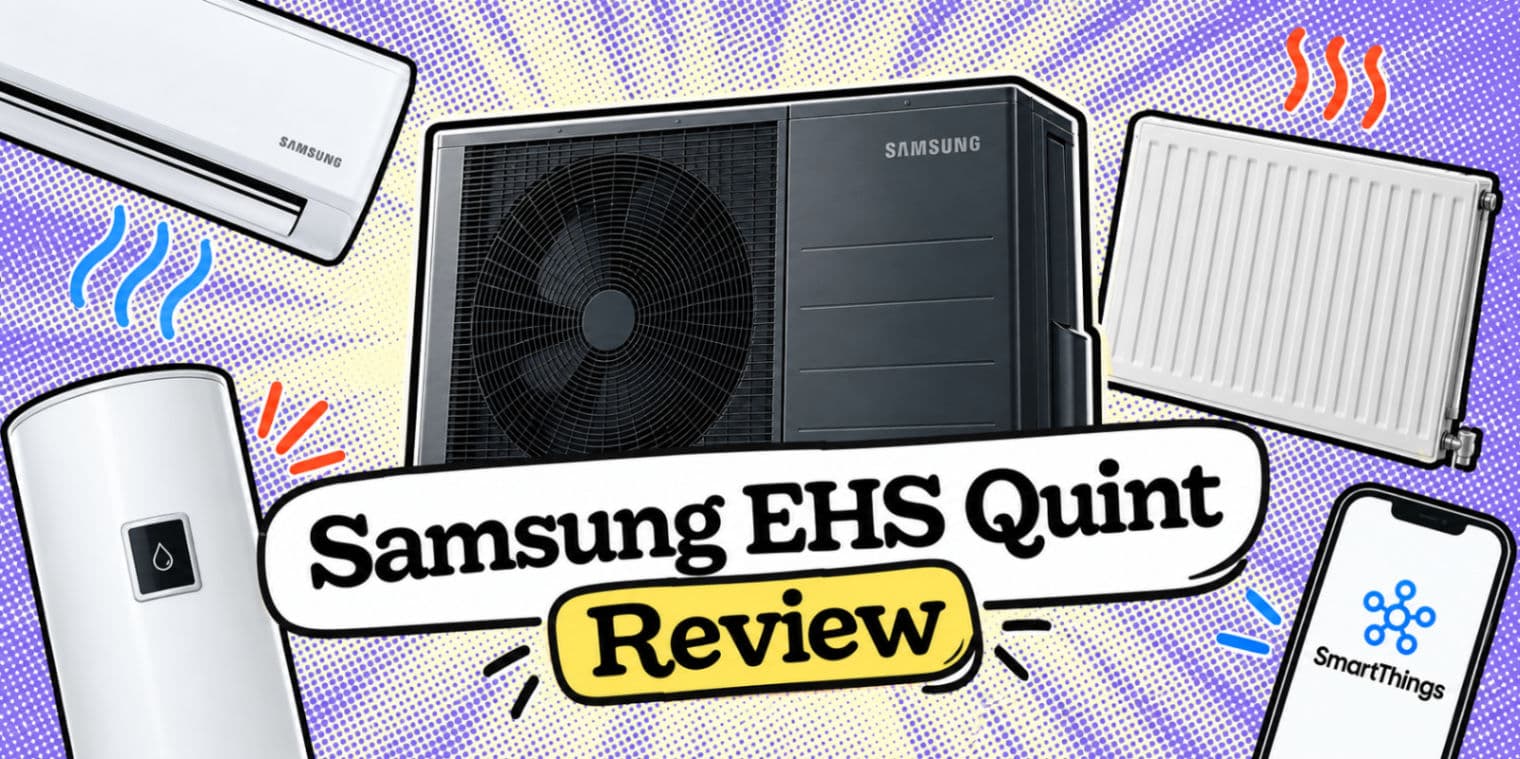
Samsung's biggest point of difference is connectivity. With the required compatible equipment and optional Wi-Fi kit, the EHS Mono R290 can work with SmartThings Energy. Households can monitor energy use, create automations and bring the heating system into a wider Samsung smart-home setup.
Interested to learn how heat pumps compare to gas boilers? Check out our complete heat pump vs gas boiler guide.
Why it ranks third
Samsung combines high-temperature performance, a broad output range and some of the strongest consumer-facing smart features in this list.
It is particularly attractive for larger homes or households already using SmartThings. Buyers should confirm exactly which controller, Wi-Fi hardware and warranty cover are included in their quote.
Samsung EHS Mono R290 key facts
Outputs: 5kW, 8kW, 12kW and 16kW
Energy class: Up to A+++ at 35°C and A++ at 55°C
Maximum flow temperature: Up to 75°C under specified conditions
Outdoor operating range: Heating down to -25°C
Refrigerant: R290
Noise: As low as 35dB(A) at three metres under Samsung test conditions
Controls: SmartThings Energy with compatible equipment
Guarantee: Confirm the cover, registration requirements and servicing conditions in the installation quote
Reside in the UK and wondering if a heat pump is right for you? Check out our complete analysis where we asked - are heat pumps worth it?
#4 Daikin Altherma 4 H
Daikin has decades of experience in heating and cooling, and its latest Altherma 4 H is designed for high-temperature domestic heating.
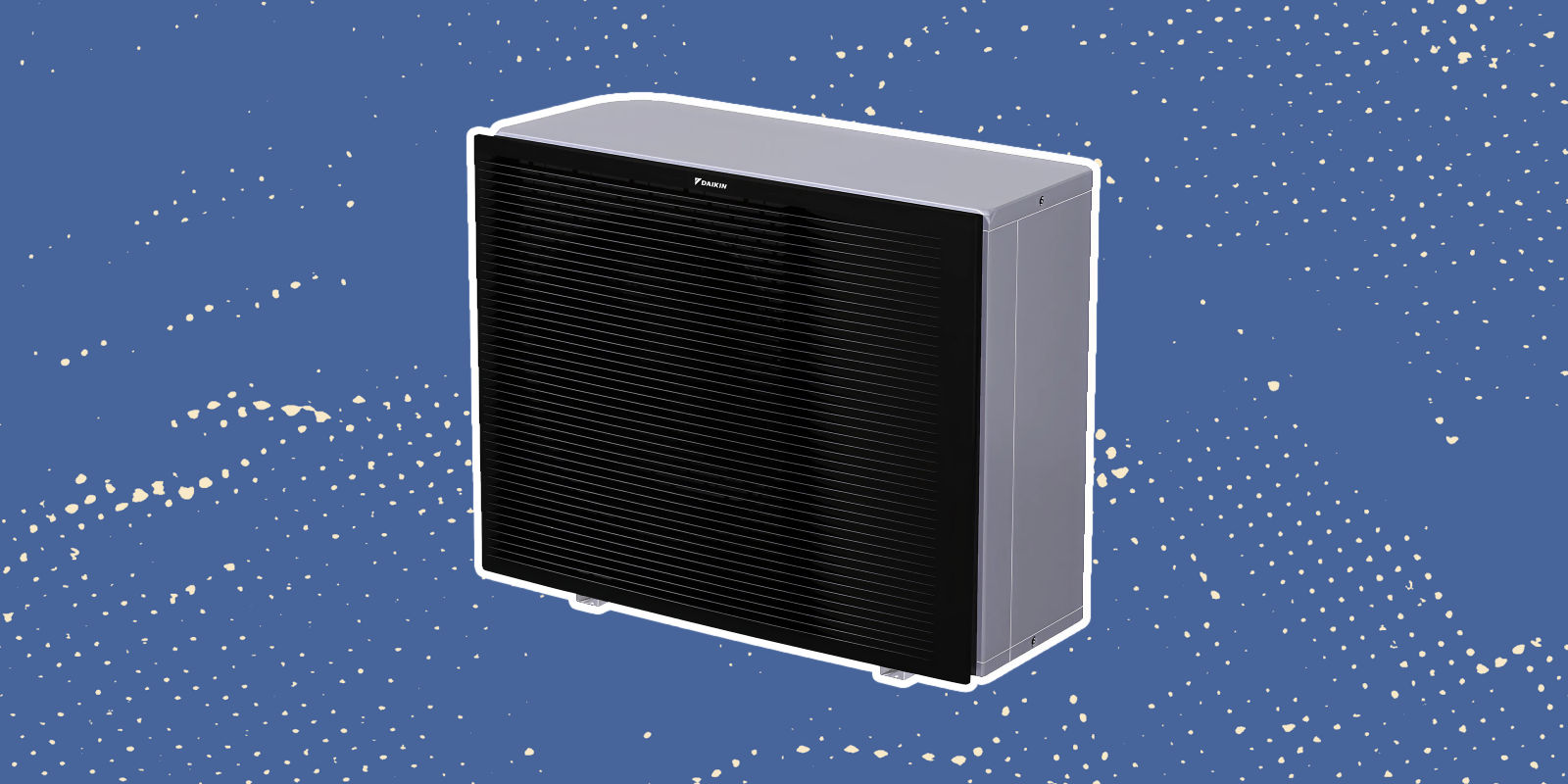
It uses R290 refrigerant, is rated up to A+++ for space heating and can provide leaving-water temperatures of 70–75°C at an outdoor temperature of -15°C, depending on the configuration. Daikin also specifies an operating range down to -28°C.
An updated touchscreen interface, compact clearances and accessible internal components make it appealing to homeowners and installers. It is a strong choice where cold-weather output and retrofit-friendly water temperatures are priorities.
Best for: Cold-weather performance and high-temperature retrofit designs.
#5 Mitsubishi Electric Ecodan R290
Mitsubishi Electric's Ecodan name is one of the most familiar in the UK heat pump market.
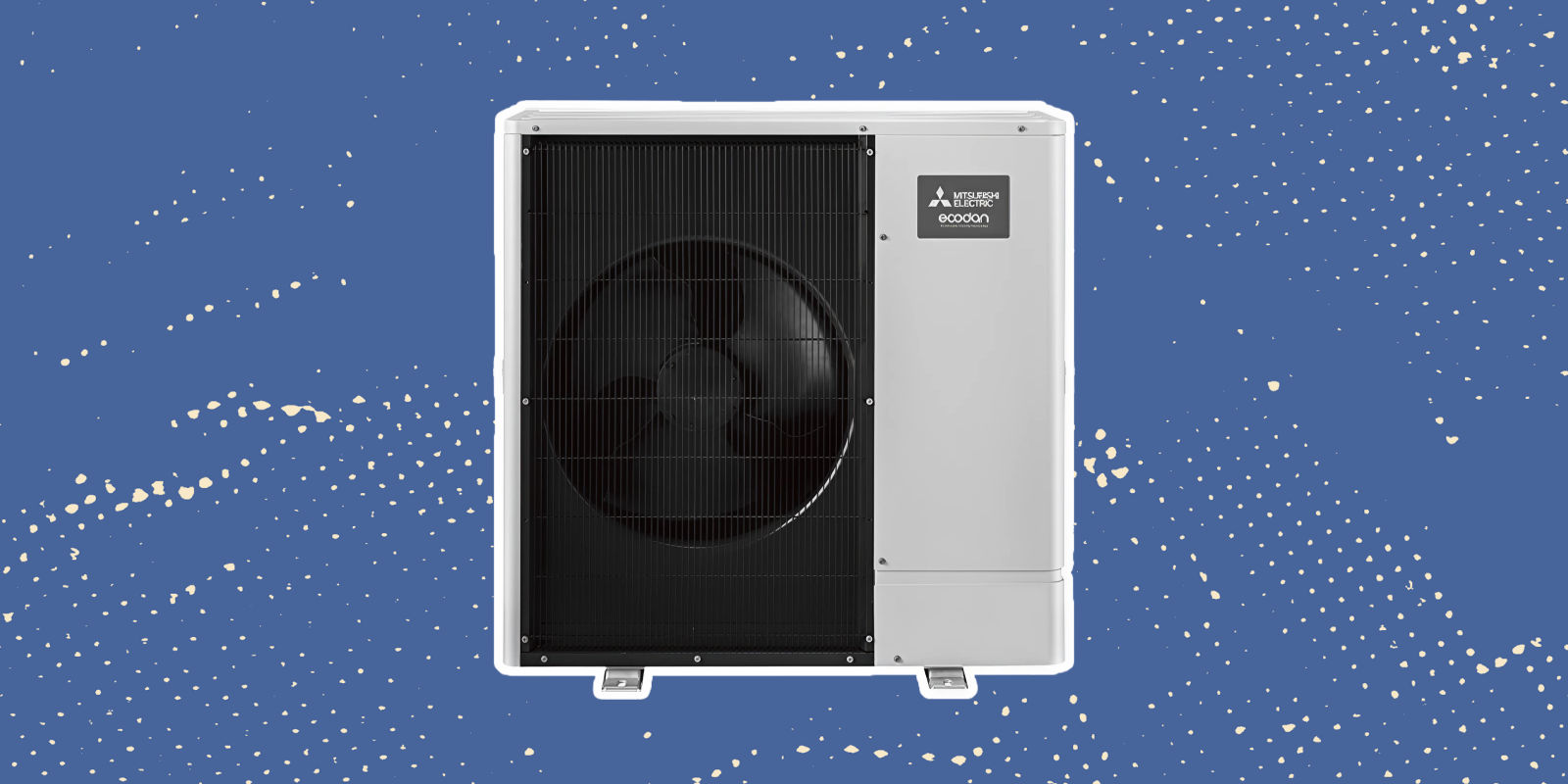
The newer Ecodan R290 combines A+++ heating efficiency at 35°C with a maximum water temperature of up to 75°C.
The system supports MELCloud for remote control, monitoring and technical support. Mitsubishi Electric also has an established network of trained installers and a long history of supplying air-to-water systems in the UK.
Best for: Buyers who value an established product ecosystem and installer network.
Read our complete guide to the advantages and disadvantages of heat pumps here.
#6 Viessmann Vitocal 150-A
The Vitocal 150-A is Viessmann's current domestic monobloc option for retrofit projects.
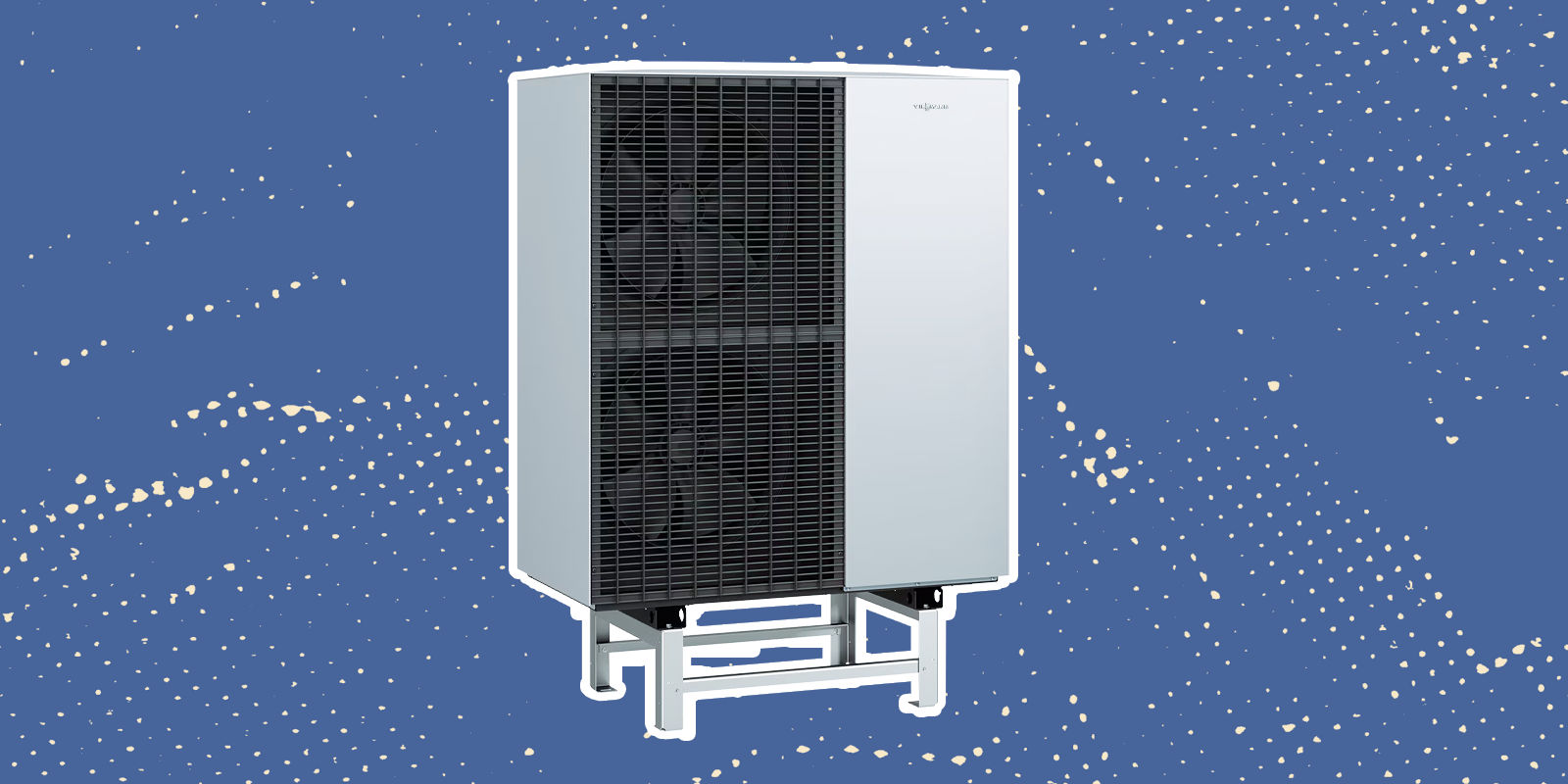
It offers rated outputs spanning 2.1–14.9kW across the range and can provide a flow temperature of up to 70°C at an outdoor temperature of -10°C.
It uses R290 refrigerant, offers a published COP of up to 5.0 at A7/W35 and can be controlled through the ViCare app. The range is particularly attractive where connected servicing and a compact indoor hydraulic arrangement are important.
Best for: Efficient, connected retrofit systems.
💡See a Heat Pump in a Real UK Home
Want to see how a heat pump actually performs after installation? Read our real-world case study of Roger’s home, where we combined a Vaillant heat pump with solar panels and battery storage.
#7 NIBE S2125
Swedish manufacturer NIBE has extensive experience designing heat pumps for cold climates. The S2125 can produce a supply temperature of up to 75°C and still deliver up to 65°C when the outdoor temperature reaches -25°C.
The range achieves an A+++ energy rating and integrates with NIBE's S-Series controls and myUplink app. Quiet Mark certification applies to selected models, so check the exact unit proposed by the installer.
Best for: High-temperature performance in very cold conditions.
#8 Grant Aerona 290
The Grant Aerona 290 is the latest generation of Grant's domestic air-to-water heat pump. It is available in 4kW, 6.5kW, 9kW, 12kW and 15.5kW versions, with outputs stated by Grant at -5°C air and 55°C water.
The range uses R290, carries an A+++ energy rating and is Quiet Mark accredited. A seven-year guarantee is available when the system is installed by an eligible G1 installer and all terms are met.
Best for: A broad output range and installer-backed guarantee cover.
#9 LG THERMA V R290 Monobloc
LG's latest THERMA V R290 Monobloc range brings the company's compressor and connected-home experience to domestic heating.
The newer 7kW and 9kW models can produce water at up to 75°C even at -15°C outdoors under LG's specified conditions.
Larger 12kW, 14kW and 16kW versions are also available. Selected models are Quiet Mark certified, and LG quotes rated sound-power figures from 49dB(A) for the 7kW unit.
Best for: Modern design, quiet operation and a wide capacity range.
#10 Panasonic Aquarea L Generation
The Panasonic Aquarea L Generation uses R290 and is available in hydraulic split configurations, keeping the refrigerant circuit within the outdoor unit while water connects it to the indoor module.
The range includes 5kW, 7kW and 9kW options and can provide water outlet temperatures of up to 75°C at outdoor temperatures down to -10°C. It also supports heating, hot water and cooling in compatible system designs.
Best for: Homes suited to a flexible hydraulic split arrangement.
What to look for when comparing heat pumps
1. A room-by-room heat-loss calculation
A heat pump should not be selected using floor area or the output of the old boiler alone.
Ask for a room-by-room heat-loss calculation completed to the appropriate standard.
Oversizing can lead to cycling and poor efficiency, while undersizing can leave the system relying too heavily on backup heating.
2. Seasonal efficiency at the right flow temperature
COP describes performance at one test point. SCOP estimates performance across a full heating season, so it is usually more useful for comparison.
Make sure you compare figures at a realistic design flow temperature. A model's result at 35°C may not represent how it will perform in a radiator system designed to run at 50°C or 55°C.
3. Output in cold weather
The number in a model name is not always the heat it will deliver at your home's winter design temperature.
Ask the installer to show that the selected unit can meet the calculated heat loss at the proposed flow temperature and local outdoor design temperature.
4. Noise at the proposed location
Sound power and sound pressure are different measurements and should not be compared as if they were the same.
Placement, reflective walls, distance to neighbours and night operating modes all matter. The installer should assess the exact unit in its intended position.
5. Radiators, pipework and hot-water storage
Some homes need larger radiators, changes to pipework or a new hot-water cylinder.
High-temperature heat pumps provide more design flexibility, but a lower flow temperature will generally help a heat pump operate more efficiently.
Read our guides to whether you need new radiators with a heat pump and what size heat pump you need.
6. Warranty and aftercare
Do not compare the headline number alone. Check:
Whether the warranty covers parts, labour or both
Whether an approved installer must fit the system
How quickly the product must be registered
Whether a matching cylinder and controls are required
The annual servicing conditions
Who is responsible for diagnosis and repairs
7. The installer
The best heat pump can perform poorly if the system is badly designed or commissioned.
Compare the proposed design, heat-loss calculations, emitter schedule, controls, handover and aftercare - not only the final price.
How much does a heat pump cost?
The Energy Saving Trust gives a typical air source heat pump installation cost of around £11,000, before any grant is deducted. Your quote may be higher or lower depending on:
Heat pump size
Hot-water cylinder requirements
Radiator and pipework upgrades
Electrical work
Access and groundwork
Controls and zoning
The complexity of removing the existing heating system
Get at least three itemised quotes where possible, but make sure they are based on comparable designs.
Boiler Upgrade Scheme grants
The Boiler Upgrade Scheme is available in England and Wales and is managed by Ofgem. As of July 2026, eligible property owners can receive:
£7,500 towards an air-to-water heat pump
£7,500 towards a ground or water source heat pump
£2,500 towards an eligible residential air-to-air heat pump
£9,000 towards an air-to-water or ground source heat pump for some eligible off-gas-grid properties replacing oil or LPG heating, available until 31 March 2027
The application is normally made by an MCS-certified installer on the property owner's behalf. Eligibility and grant levels can change, so check the current government guidance before relying on the figures in a quote.
Hybrid heat pump systems are not eligible for the standard BUS heat pump grant.
Next Steps For Your Heat Pump Journey:
When planning to install a heat pump for your home, there are several important factors to consider. Make sure to refer to the following guides to help you make informed decisions:
To dive deeper into these topics, head over to our advice section or check out our YouTube channel to learn more.
Get A Quote From Us Today
Without boasting, get your new heat pump quote and buy from us, here’s why:
Gas Safe installation within 24 hours.
Thousands of satisfied customers with an average score of 4.9 on Trustpilot, surpassing the market leader.
Which? Trusted Trader: Heatable is proudly recognised as a Which? Trusted Trader.
Flexible payment options, including interest-free finance.
Up to 12-year guarantee on selected heat pumps.
Fixed price guarantee: No hidden costs.
Save your quote and decide later.
Get an instant fixed price on a heat pump, here.
Heat Happy.