
It sits quietly in a cupboard, fires up when you turn on the heating and somehow delivers hot water within seconds of opening a tap.
But how does a boiler actually work?
There’s quite a bit more going on inside that white box than you might think.
A modern combi boiler contains pumps, valves, sensors, heat exchangers, fans, electronics and a carefully controlled combustion system, all working together to heat your home and provide hot water on demand.
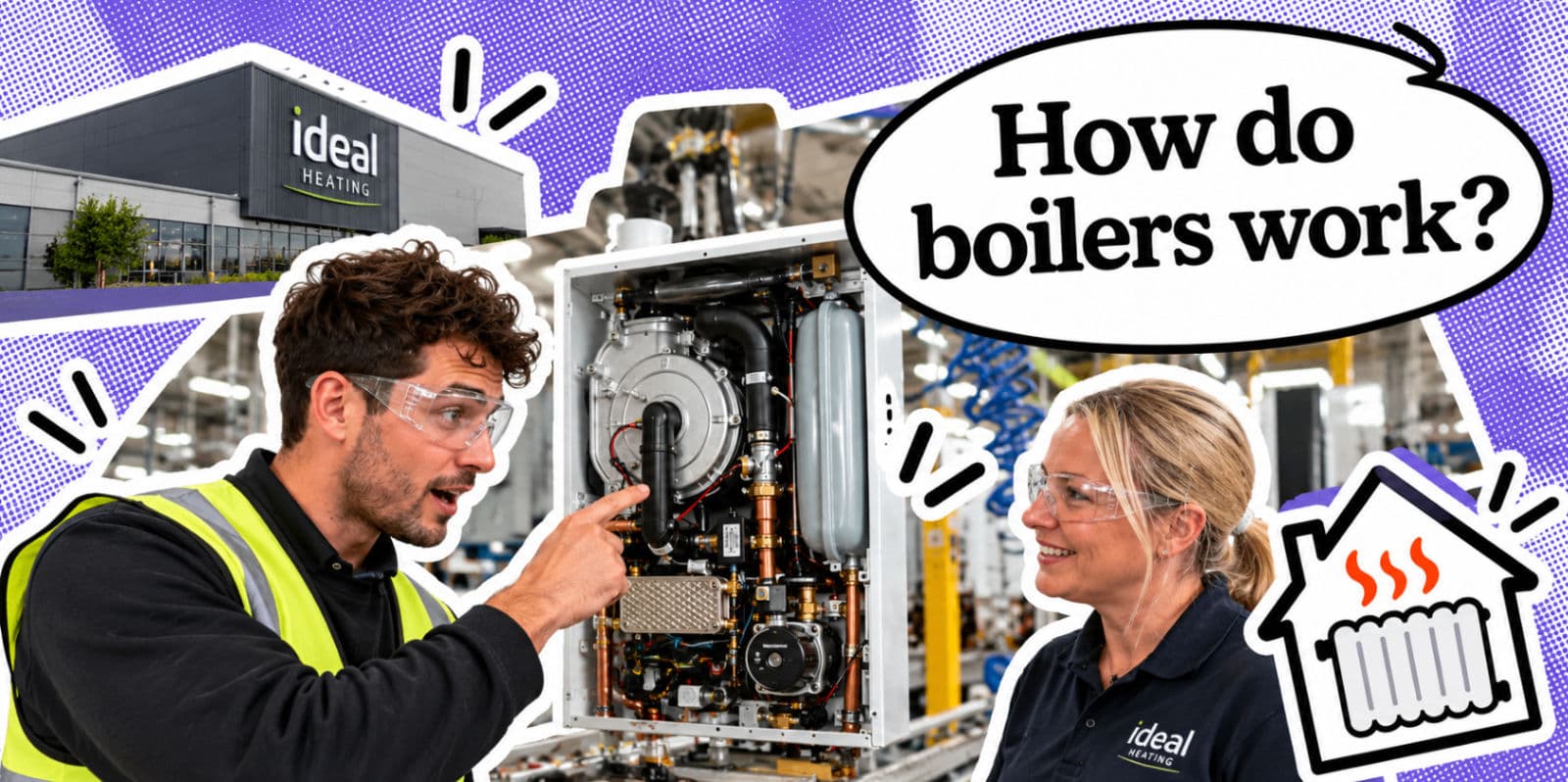
To see exactly how it all comes together, we headed to Ideal Heating’s factory in Hull and built an Ideal boiler from the chassis up.
Here’s what we found…
WATCH: How a modern boiler is actually built
We went behind the scenes at Ideal Heating to build a boiler ourselves and see exactly what happens inside one when you turn on your heating or open a hot tap.
What does a boiler actually do?
At its simplest, a gas boiler takes energy from burning gas and transfers that energy into water.
That hot water is then used for one or both of two jobs:
heating your home through radiators or underfloor heating
supplying hot water to taps and showers
The important bit is that your central heating water and the fresh water coming from your taps are not the same water.
They operate as separate systems.
And in a combi boiler, a surprisingly clever collection of components allows one small appliance to manage both.
How does a combi boiler work?
A combi, or combination boiler, combines central heating and domestic hot water production into a single appliance.
There’s normally no separate hot water cylinder.
Instead, it heats your hot water on demand.
When your heating is on
When your thermostat calls for heat, the boiler fires its burner.
Water inside the sealed central heating circuit passes through the boiler's main heat exchanger, where it absorbs heat from the combustion process.
A pump then circulates that heated water around your radiators.
Heat transfers from the radiator into the room and the cooler water returns to the boiler, where the cycle begins again.
The system water is continuously recirculated in a sealed loop.
When you turn on a hot tap
Things change almost instantly.
The boiler detects that water is flowing through the domestic hot water system and gives hot water priority.
Rather than sending its heat out towards the radiators, the boiler redirects the heating circuit through a plate heat exchanger.
Cold mains water passes through the other side of that heat exchanger.
The two streams never physically mix, but heat transfers through the thin metal plates separating them.
The result?
Cold mains water goes in.
Hot shower water comes out.
And the whole process happens within seconds.
Why can a combi boiler struggle with two showers?
This also explains one of the main limitations of a combi boiler.
Unlike a system boiler with a hot water cylinder, there isn't a large store of already-heated water waiting to be used.
The boiler has to heat water as you need it.
That means its hot water performance is ultimately restricted by things such as:
the boiler's hot water output
the temperature of the incoming mains water
the property's mains water flow rate
how many outlets are being used simultaneously
Turn another tap on while somebody is showering and you're suddenly asking the boiler and mains supply to divide their available flow between two outlets.
It's why a powerful combi boiler can be brilliant for the right property, but isn't necessarily the best solution for a large house with several bathrooms being used simultaneously.
Related: [What size combi boiler do I need?]
What's inside a boiler?
So far, so simple.
But producing that hot water safely, efficiently and virtually instantly requires considerably more engineering.
When we built an Ideal boiler at its Hull factory, we were able to see how each component fits into the process.
Here's what everything does.
[1] Boiler chassis
Everything starts with the chassis.
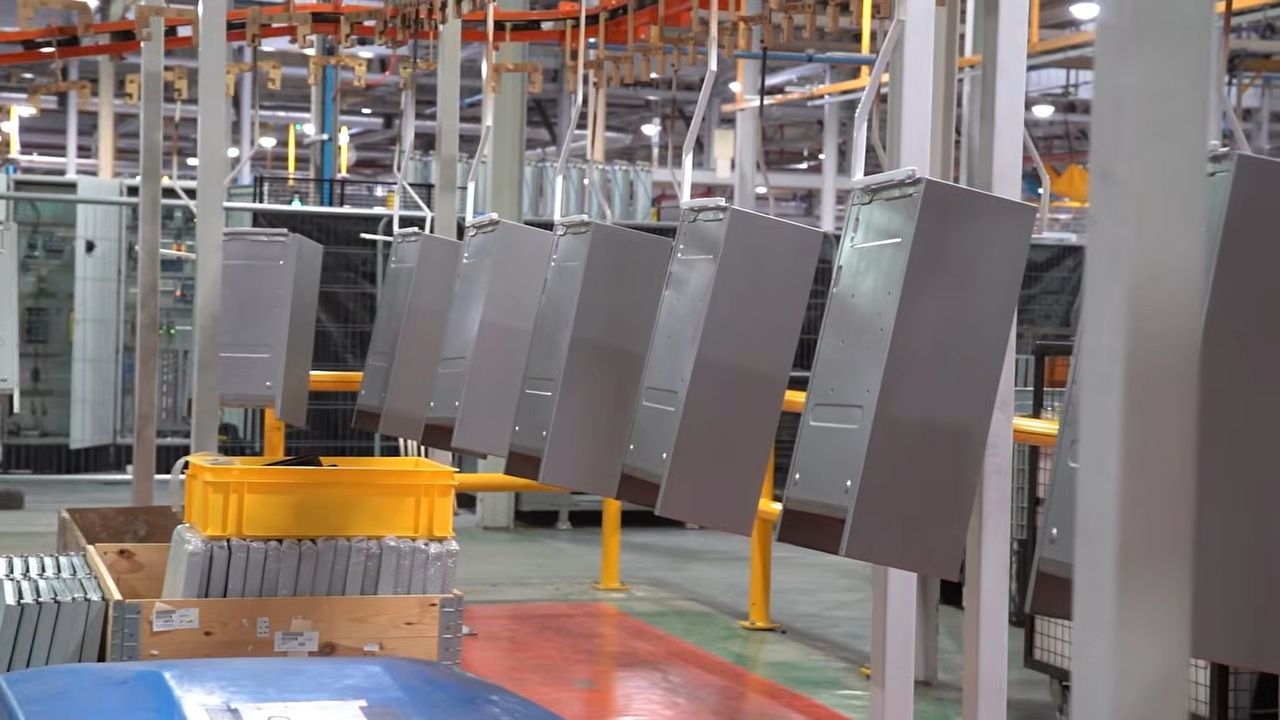
This is essentially the boiler's skeleton: a rigid steel backplate onto which the internal components are mounted.
It also provides the structure for the boiler casing that eventually covers everything up.
It isn't particularly glamorous, but without it we'd essentially have several thousand pounds' worth of plumbing components lying on the kitchen floor.
Not ideal.
[2] The water set
Next comes the boiler's water set.
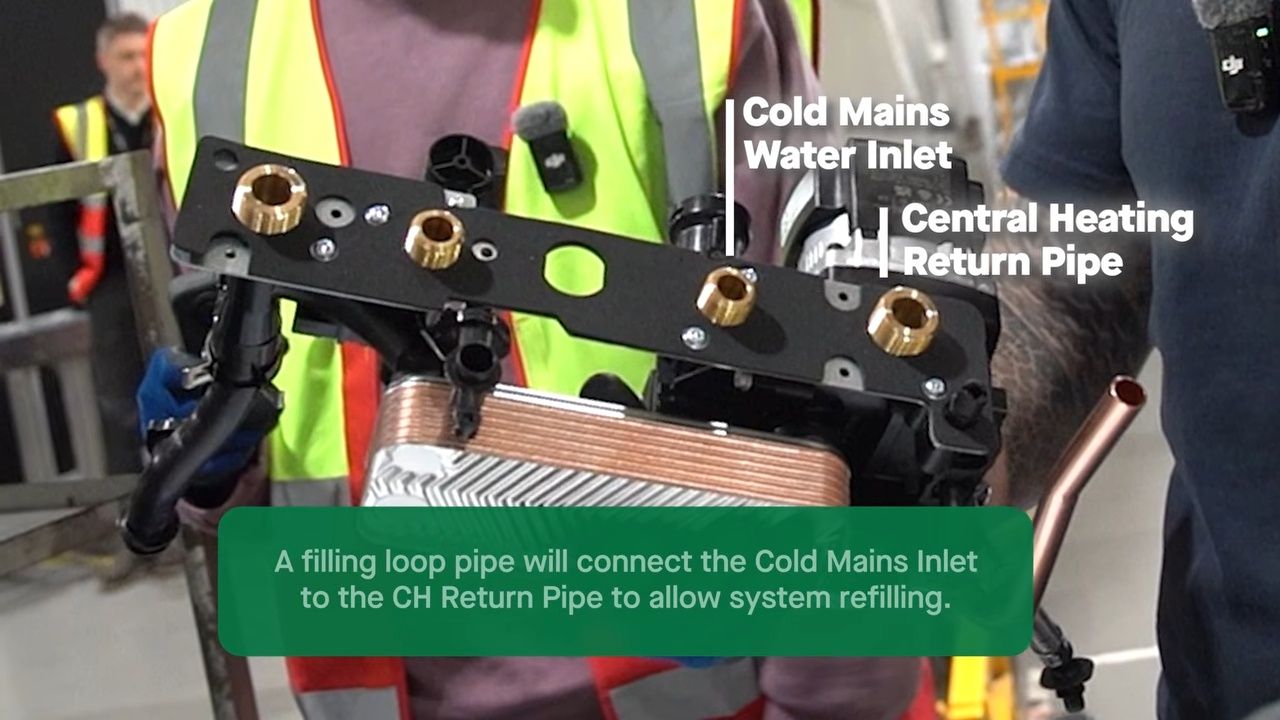
This is a preassembled collection of pipework and hydraulic components responsible for directing water through different parts of the boiler.
Several important components are attached to it.
Boiler pump
The circulation pump keeps the heating system moving.
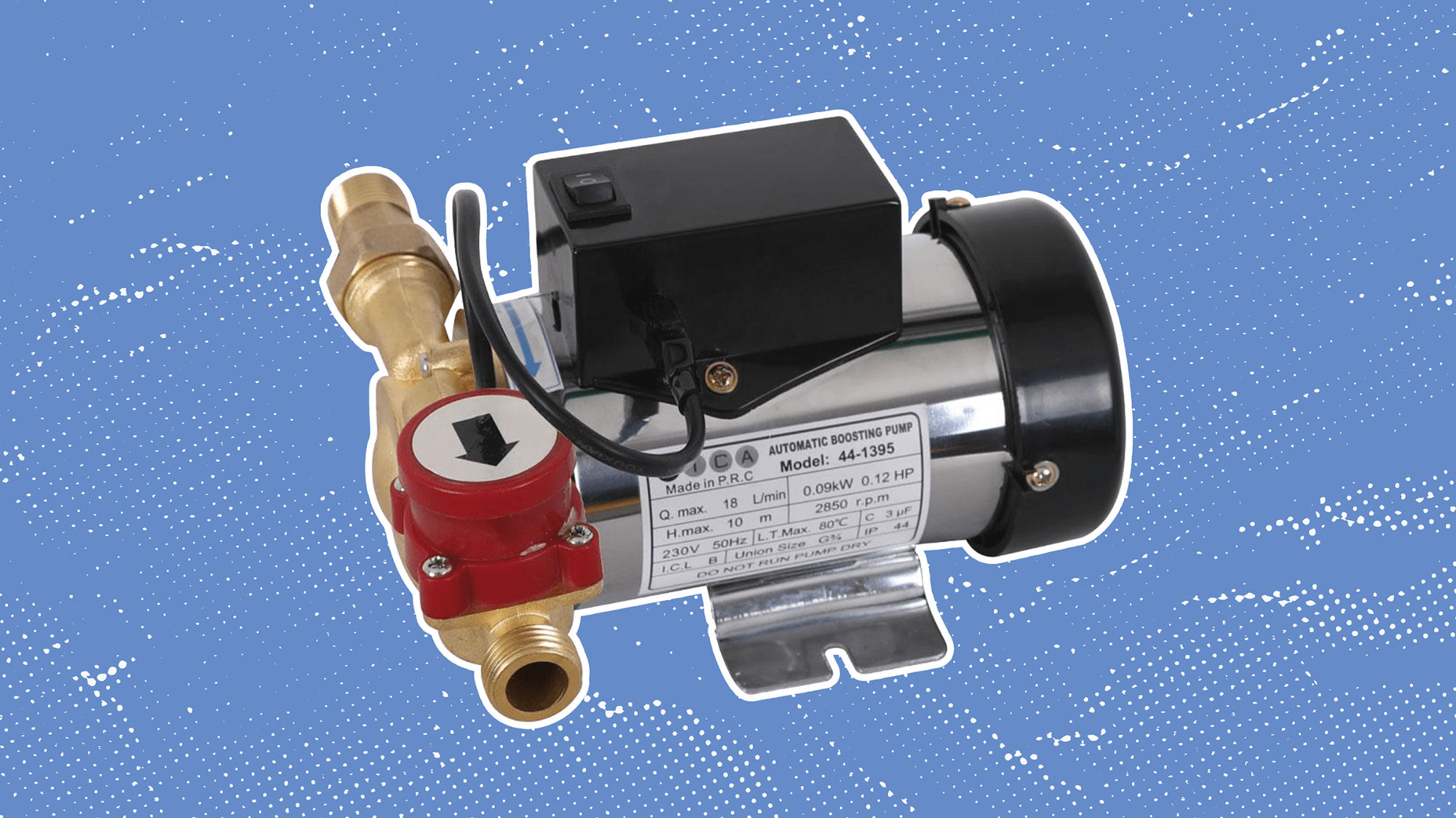
It pushes heated water out of the boiler and around your radiators before returning it to the boiler to be heated again.
Without sufficient circulation, the boiler could produce heat but wouldn't have an effective way of distributing it around the property.
[3] Plate heat exchanger
The plate heat exchanger is one of the cleverest parts of a combi boiler.
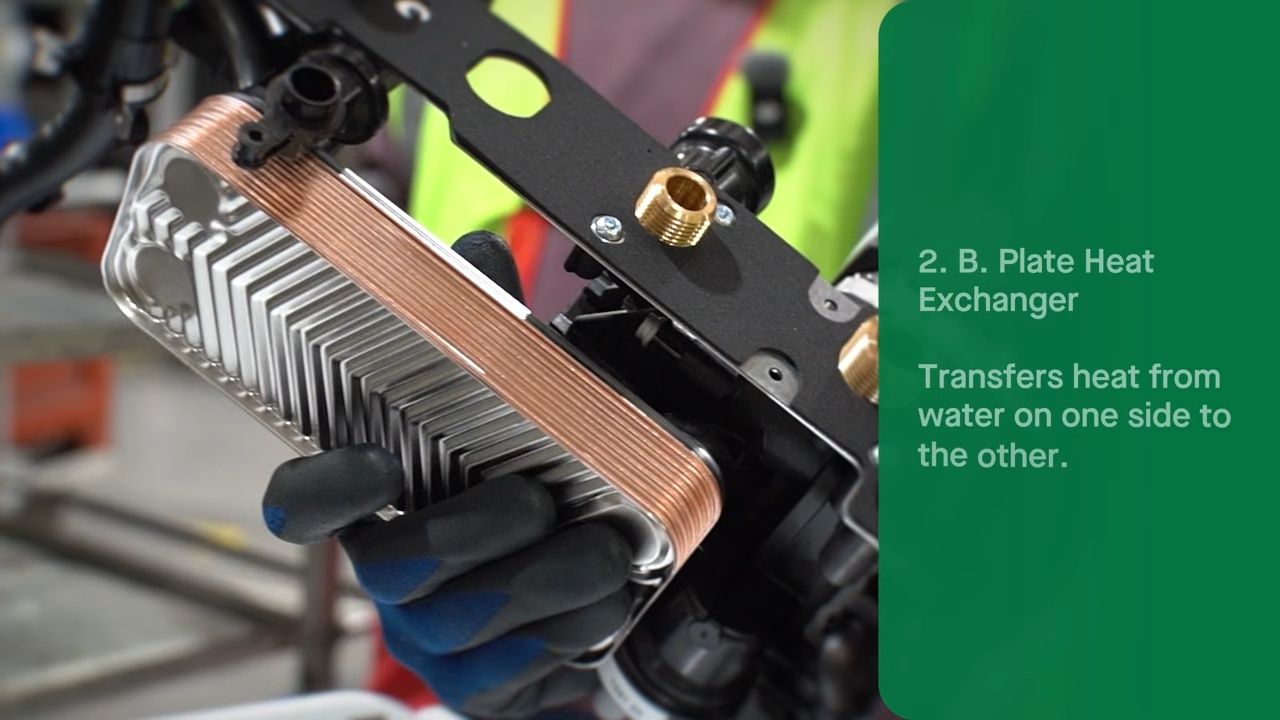
It's formed from a stack of thin, highly conductive metal plates.
Hot central heating water flows through one side while cold mains water passes through the other.
Heat moves through the metal from one stream to the other without the two bodies of water ever mixing.
That's how your boiler can use its sealed heating circuit to produce fresh hot water for your shower.
[4] Diverter valve
Your boiler now has two potential destinations for its heat:
the radiators
your hot taps
The diverter valve determines where that heat goes.
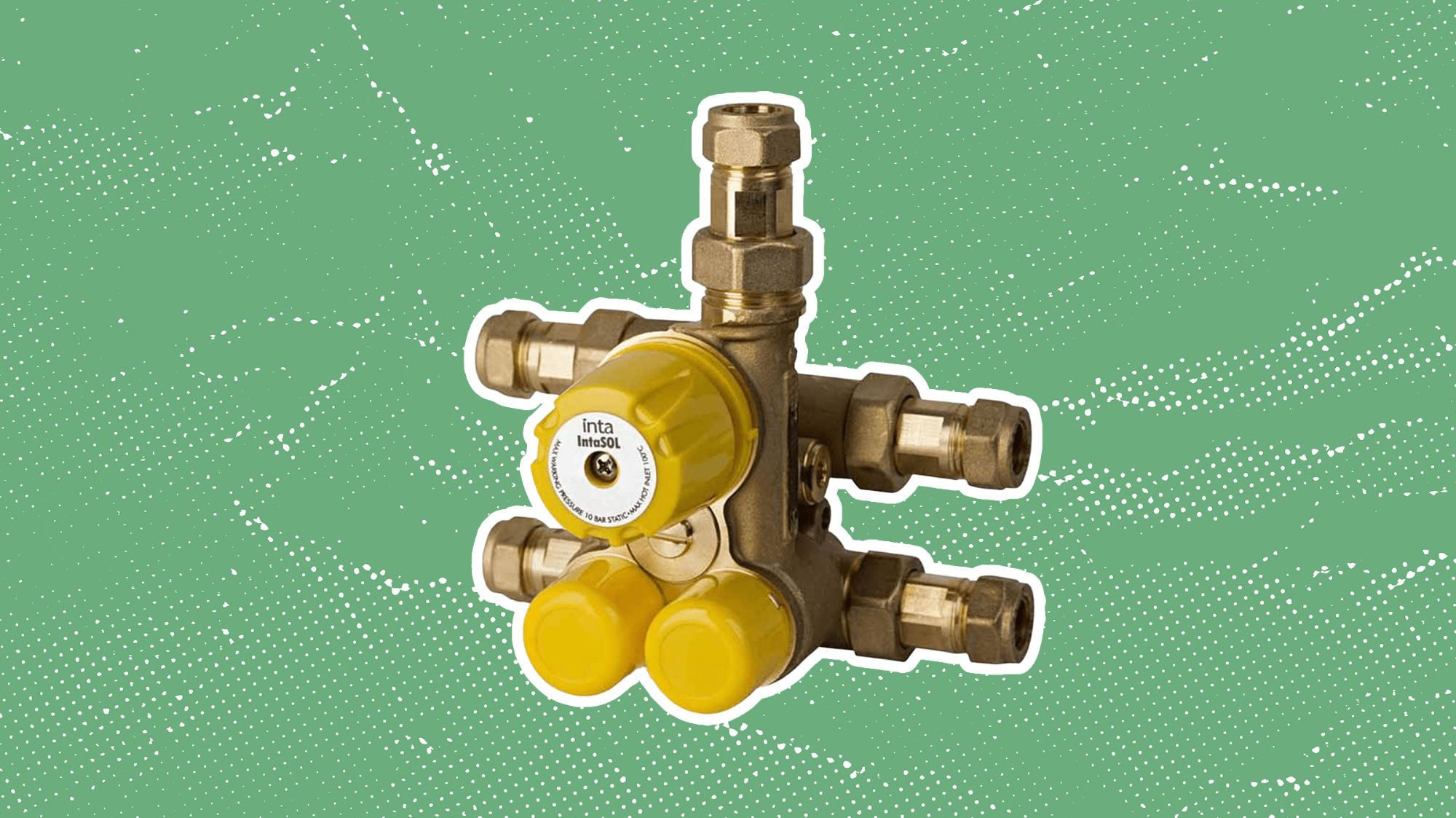
When the boiler is providing central heating, it directs flow towards the heating system.
Open a hot tap and the boiler detects the demand, with the diverter valve redirecting the primary circuit towards the plate heat exchanger instead.
On a typical combi boiler, domestic hot water is prioritised while the tap is running.
Once you close the tap, the boiler can return to heating your radiators.
[5] Hot water flow sensor
How does the boiler know you've opened a tap?
A flow sensor or turbine detects water moving through the domestic hot water circuit.
That creates a signal telling the control system that hot water is required.
The boiler can then fire the burner and move the diverter valve into the appropriate position.
All of this happens before you've had time to wonder why the shower isn't hot yet.
[6] Temperature sensors
Modern boilers are constantly monitoring themselves.
Temperature sensors fitted around the system tell the control board how hot the water is at different points.
The boiler can then adjust the burner output to keep the temperature where it needs to be.
Rather than simply being completely on or completely off, modern boilers can modulate their output according to demand.
That helps improve efficiency while maintaining a more consistent temperature.
[7] Pressure relief valve
Your central heating system is pressurised.
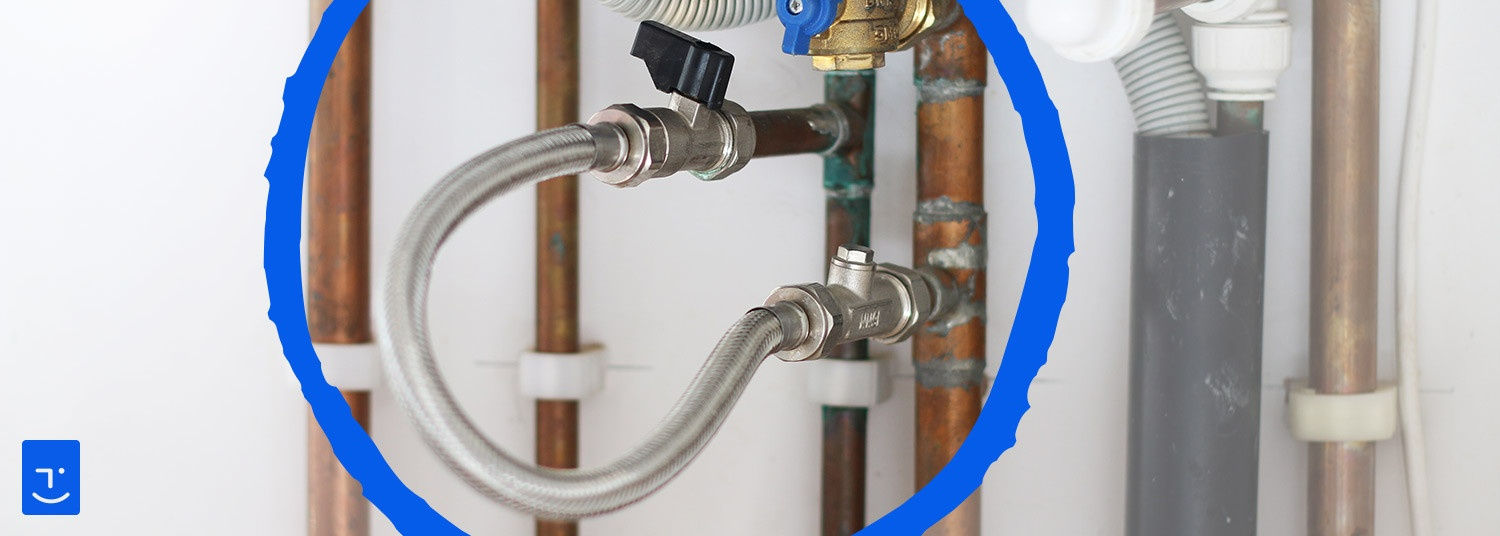
Normally, a cold system will sit somewhere around the manufacturer's recommended operating pressure, often roughly 1 to 1.5 bar.
But the boiler also needs protection if pressure rises too far.
That's where the pressure relief valve, or PRV, comes in.
If system pressure exceeds a safe threshold, the valve can open and discharge water rather than allowing pressure to continue increasing.
If your boiler is repeatedly losing pressure or discharging water through the PRV, however, something is wrong and the underlying problem needs investigating.
[8] Filling loop
At the opposite end of the pressure problem is the filling loop.
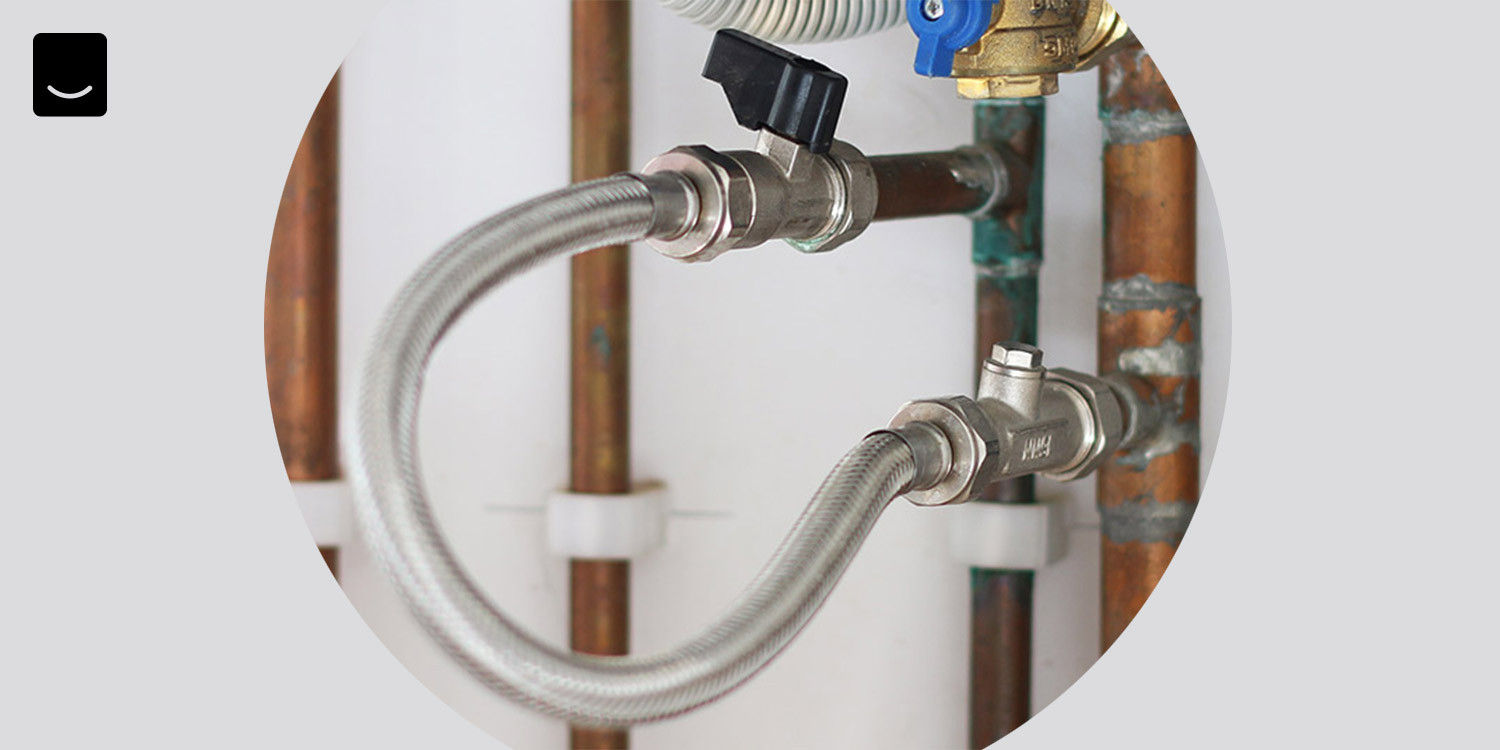
This allows water from the mains supply to be introduced into the sealed central heating circuit if system pressure becomes too low.
Depending on the boiler, this may be an external braided hose, an integrated filling loop or another manufacturer-specific arrangement.
Repressurising a boiler can be straightforward, but a boiler that repeatedly loses pressure shouldn't simply be topped up indefinitely.
You need to find out why.
Where does the heat actually come from?
Moving water around is only half the job.
The boiler still needs to produce some heat.
That's where its combustion system comes in.
[9] Main heat exchanger
At the heart of the boiler is the main heat exchanger.
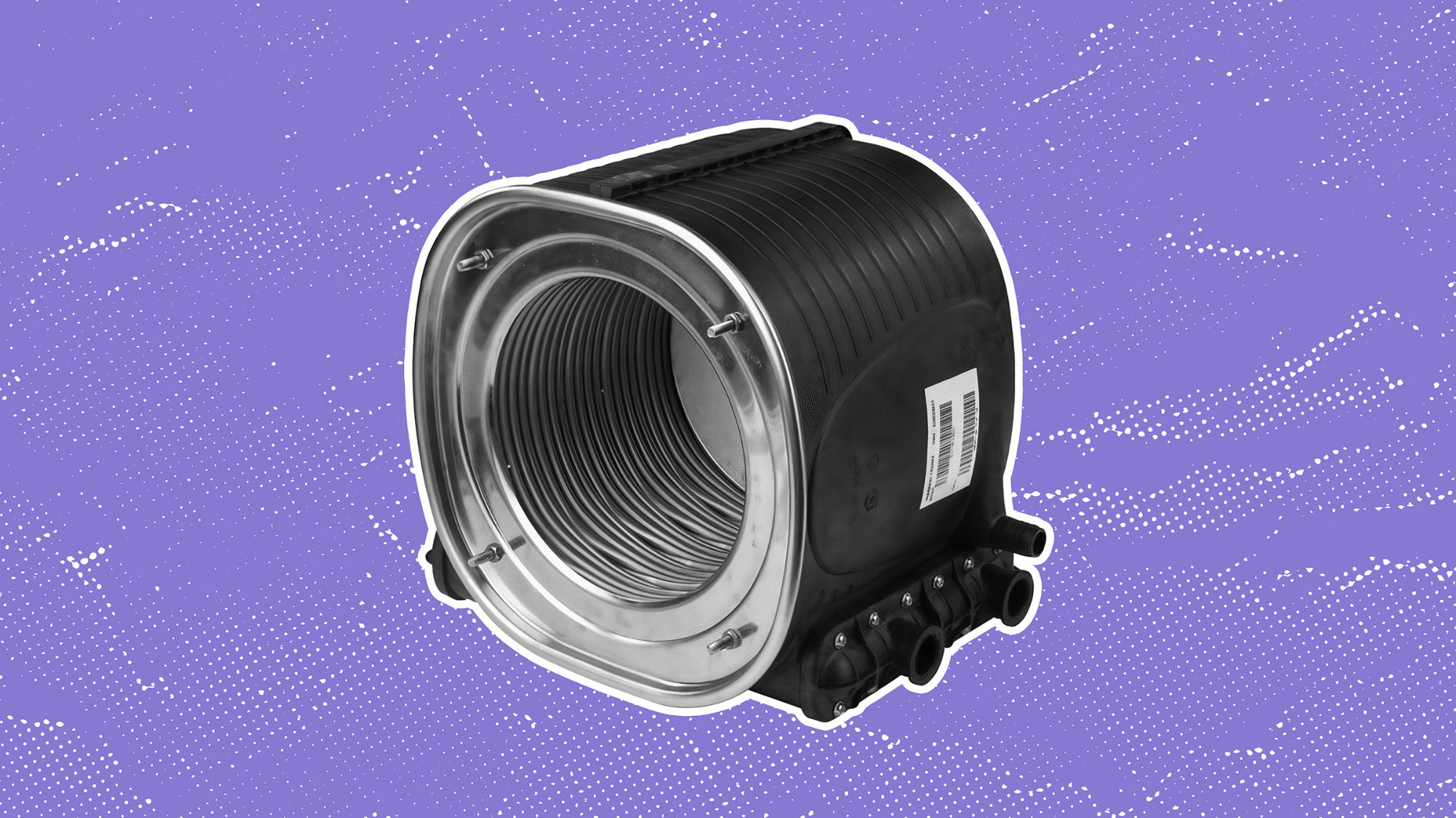
The gas burner produces a flame and hot combustion gases.
The heat exchanger absorbs that energy and transfers it into the water circulating through the boiler.
An effective heat exchanger maximises the amount of energy captured before the combustion gases leave through the flue.
Modern condensing boilers take this considerably further than older designs.
[10] Fan and Venturi
A gas flame needs oxygen.
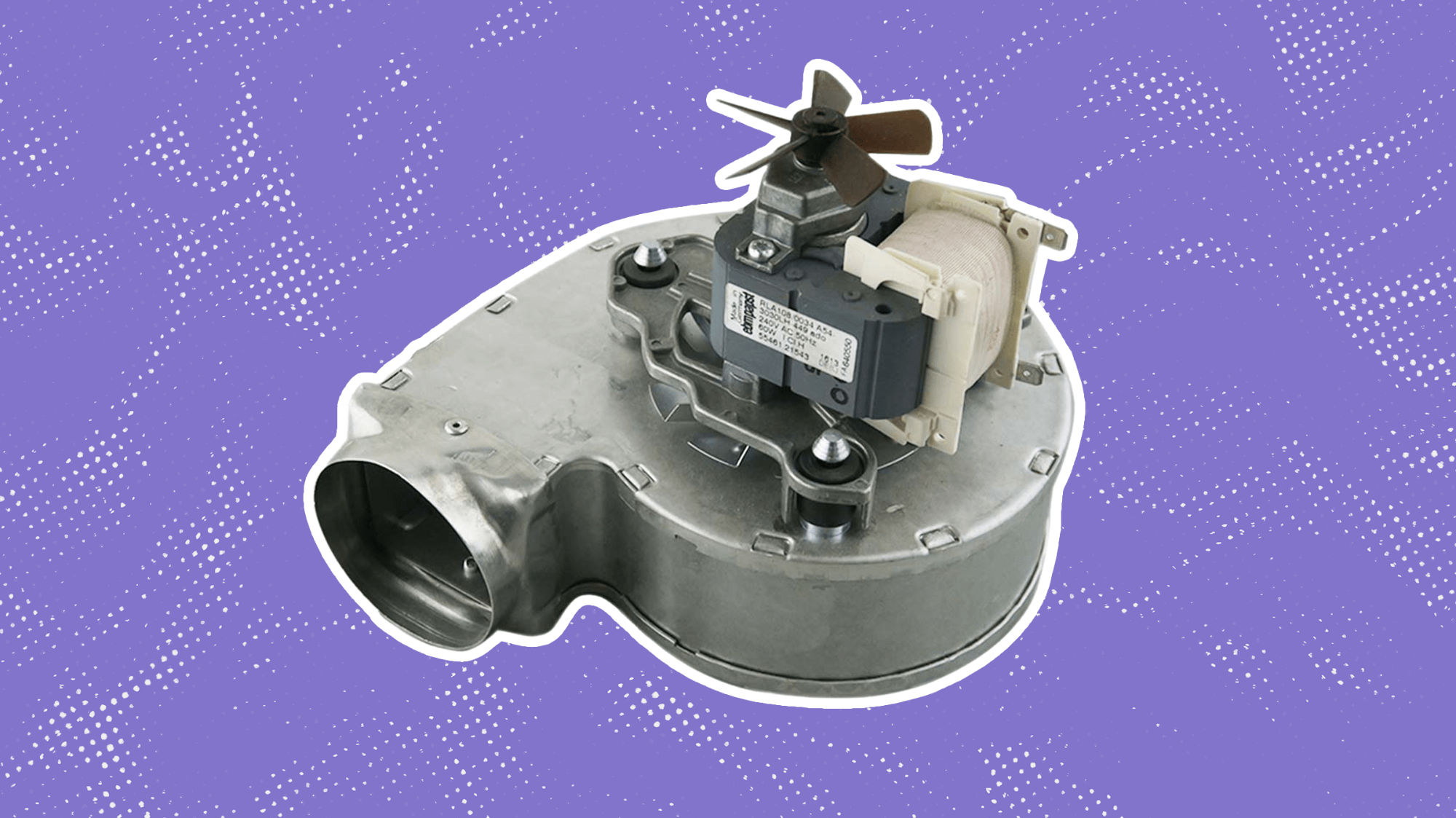
The boiler's fan brings in the air required for combustion and helps control the mixture of gas and air reaching the burner.
On many modern boilers, the air travels through a shaped section known as a Venturi, which helps produce the correct gas-air mixture.
The boiler can then continuously adjust its combustion process according to the amount of heat required.
[11] Gas valve
Gas isn't simply allowed to pour into the boiler whenever it switches on.
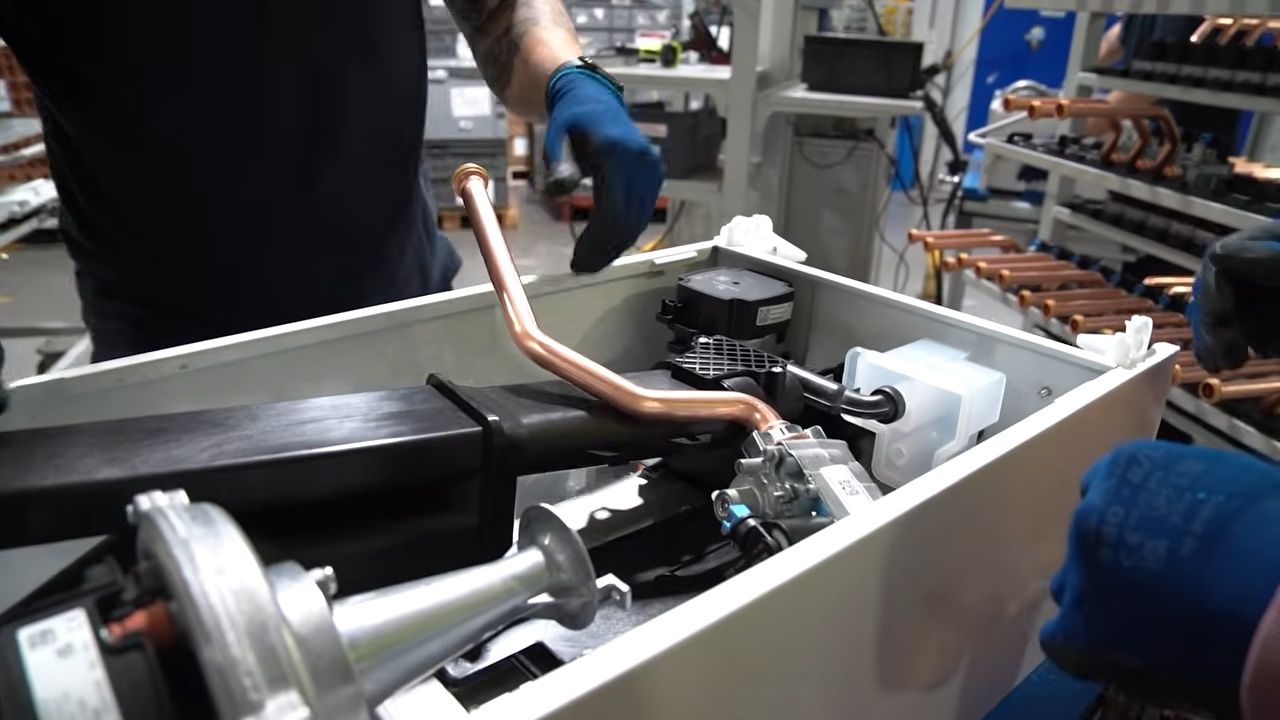
The gas valve controls how much fuel reaches the burner.
If demand is relatively low, the boiler can reduce its output.
Need lots of hot water quickly and the boiler can increase its firing rate within the appliance's operating range.
This ability to change output is known as modulation.
And good modulation matters.
A boiler capable of reducing its output during periods of low demand can avoid unnecessarily cycling on and off, helping it operate more efficiently.
[12] Gas injectors
The injectors help meter the gas entering the combustion system.
They're also one reason two versions of what appears to be the same boiler aren't necessarily identical internally.
Different boiler outputs can require different physical components rather than simply having a different number programmed into the software.
A 24kW model and a 35kW model may look extremely similar from the outside, but what's happening internally can be different.
What is a condensing boiler?
Pretty much every modern gas boiler installed in the UK is a condensing boiler.
That doesn't refer to one particular boiler type.
Combi, system and regular boilers can all use condensing technology.
The term describes how the boiler recovers additional heat from its exhaust gases.
Older boilers allowed relatively hot gases to disappear straight through the flue.
A condensing boiler extracts considerably more heat first.
As those gases cool, water vapour condenses into liquid.
Hence the name.
[13] Condensate trap
That liquid is known as condensate.
Because condensate is mildly acidic, it needs to be safely removed from the boiler.
It collects inside the condensate system before flowing away through a condensate pipe, typically into the property's drainage system.
It's also why a frozen condensate pipe can occasionally cause a boiler to stop working during extremely cold weather.
[14] Boiler flue
Whatever remains of the combustion gases needs somewhere to go.
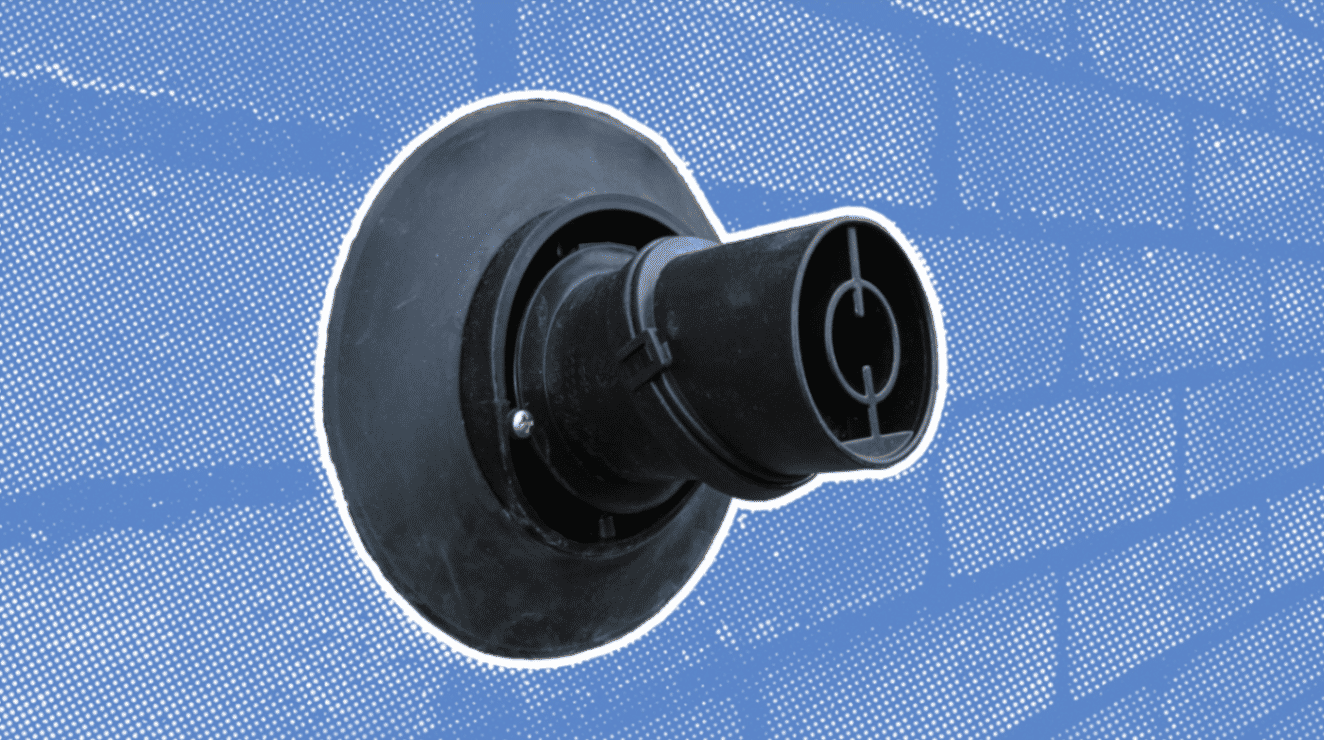
Enter the flue.
The flue safely carries combustion products from the sealed boiler to outside the property.
Modern room-sealed boilers can also draw combustion air through the flue arrangement, meaning the appliance doesn't rely on air from the room in the same way older open-flued appliances did.
A correctly installed flue is a critical part of boiler safety.
The boiler's brain
So now we've got:
water
gas
air
heat
pumps
valves
sensors
Someone still needs to coordinate all of it.
Thankfully, there isn't a tiny Gas Safe engineer living inside the casing.
[15] Control board
The boiler's printed circuit board, usually referred to as the PCB, acts as its central control system.
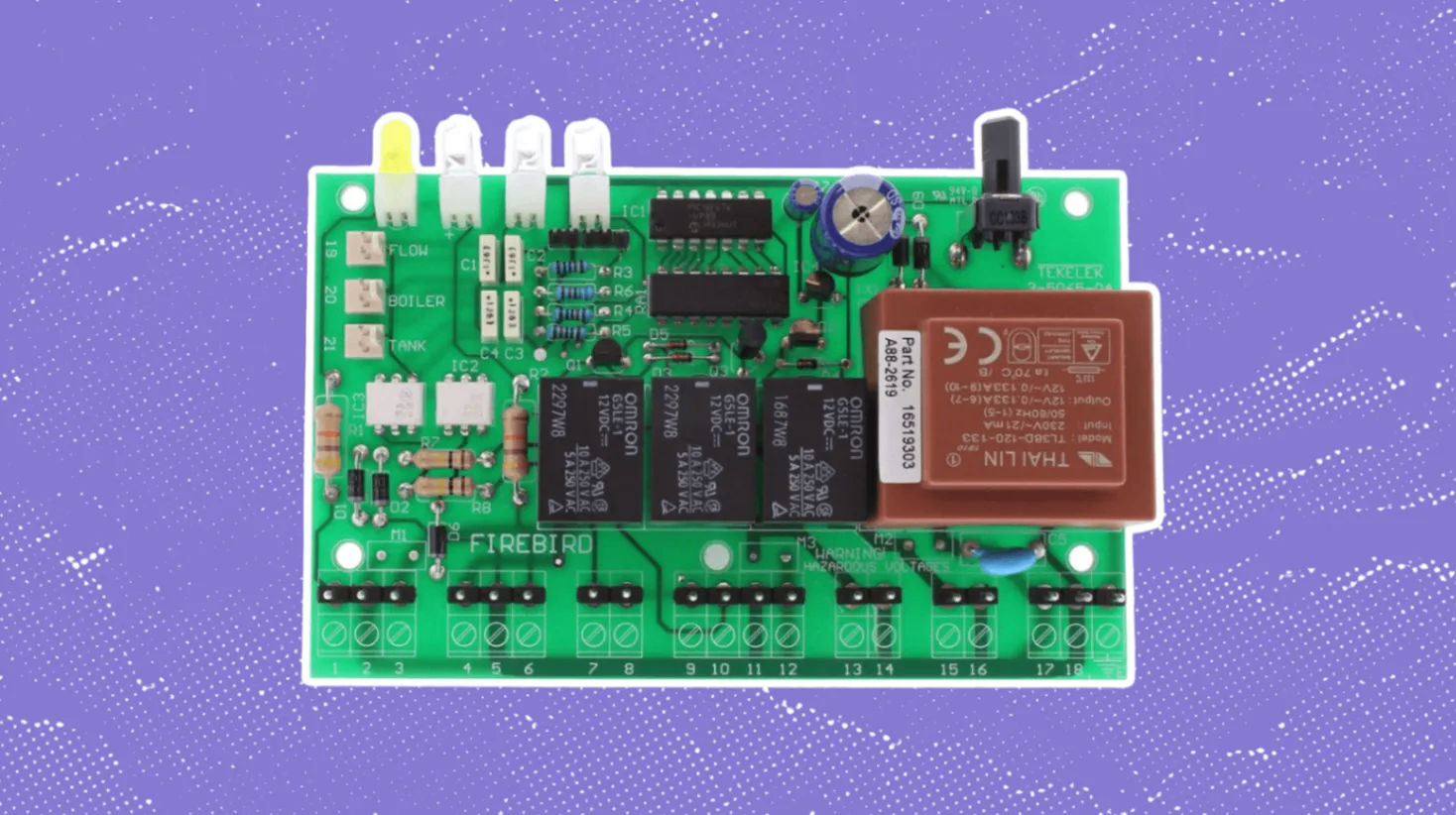
It receives information from sensors around the appliance and tells components what to do.
Open a tap?
The PCB sees the demand.
Need more heat?
It can adjust the burner.
Flame hasn't ignited correctly?
It can shut the gas valve.
Something isn't behaving as expected?
Modern boilers can stop operation and display a fault code rather than continuing in an unsafe condition.
[16] Wiring loom
All those components need to communicate with the control board.
The wiring loom is effectively the boiler's nervous system.
It links sensors, valves, pumps, ignition components and controls back to the PCB.
And having fitted one ourselves, we can confirm there are rather more wires inside a modern boiler than the tidy white box on your wall would suggest.
What happens when water expands?
There's one more physics problem to deal with.
Water expands when it's heated.
That's not particularly helpful when you've put that water inside a sealed central heating system.
So boilers need somewhere for that additional volume to go.
[17] Expansion vessel
The answer is the expansion vessel.
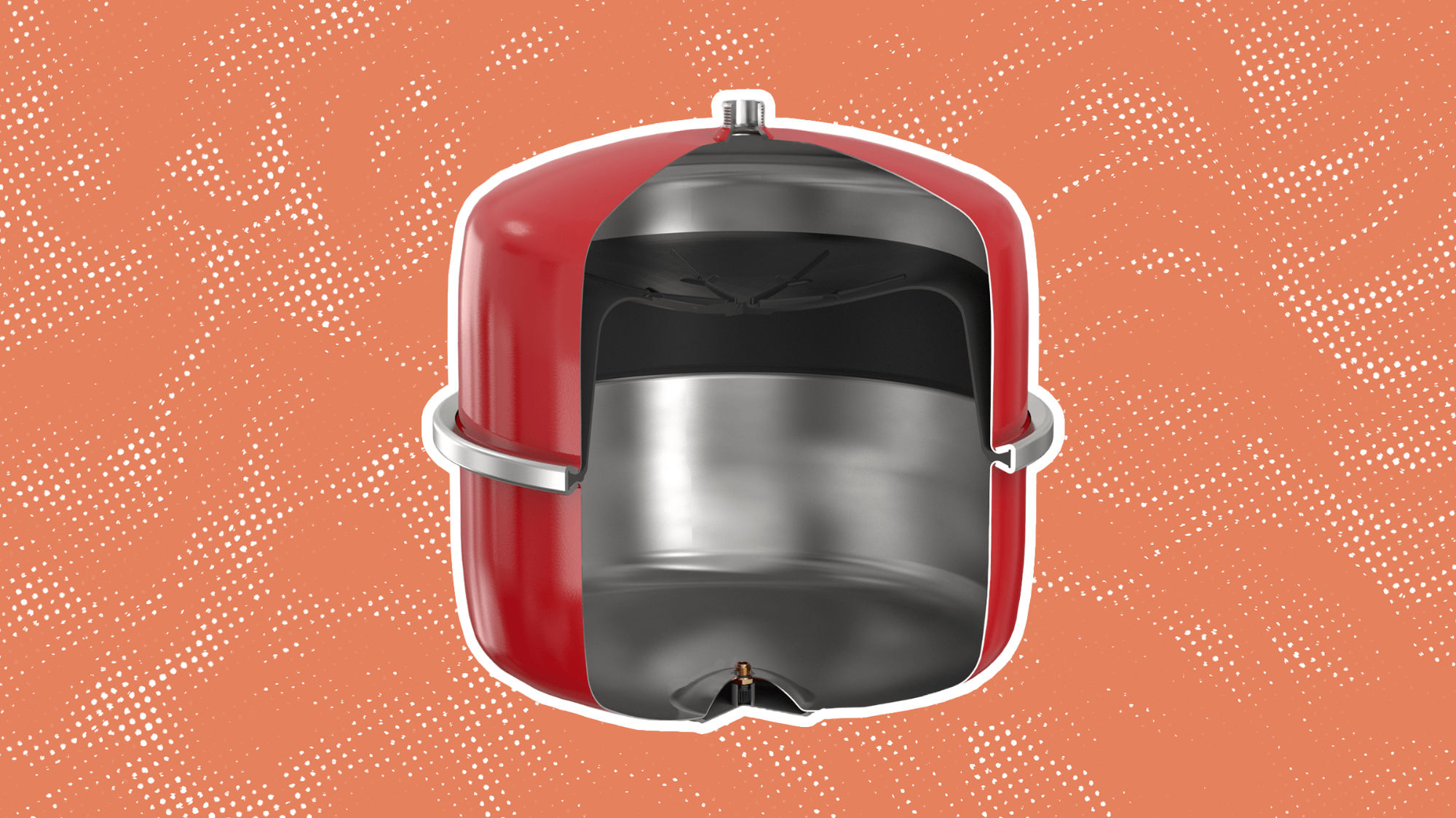
Inside the vessel is a flexible diaphragm separating the heating-system water from a pressurised air or gas cushion.
As the heating water expands, it pushes against this diaphragm.
That provides space for the increased volume without allowing system pressure to rise excessively.
A failed or depressurised expansion vessel is one possible reason a boiler's pressure rises significantly when the heating is switched on.
How does a boiler ignite safely?
Gas plus oxygen plus an enclosed appliance obviously requires some fairly serious safety controls.
Which brings us to the ignition system.
[18] Ignition electrode
When the boiler needs to fire, an ignition electrode produces a spark to ignite the gas-air mixture at the burner.
But ignition is only half the job.
The appliance also needs to prove that a flame actually exists.
Modern boilers use flame-sensing technology to confirm successful combustion.
If the boiler expects a flame and can't detect one, the control system can shut off the gas supply.
[19] Electrical earth
Finally, the boiler's metal components are electrically bonded to earth.
If an electrical fault allowed a live conductor to contact the metal casing, earthing provides a safe path for the fault current and allows the appropriate protective device to operate.
Tiny component.
Fairly important job.
How all the parts of a combi boiler work together
So let's put everything back together.
You turn the heating on.
The control board detects demand, the fan starts, gas is released at the correct rate and the burner ignites.
Heat transfers through the main heat exchanger into the sealed heating circuit.
The pump sends that water through the radiators before returning it to the boiler.
Then somebody turns on the shower.
The boiler detects the flow of mains water.
Domestic hot water gets priority.
The diverter valve changes position and hot primary water is directed towards the plate heat exchanger.
Cold mains water passes through the opposite side, absorbs that heat and travels towards the shower.
Throughout all of this, sensors monitor temperature, pressure and combustion while the PCB continually adjusts the appliance.
And it all happens within seconds.
Not bad for something most of us only remember exists when it stops working.
How are boilers built?
Seeing all of these parts individually is one thing.
Watching them become an actual boiler is another.
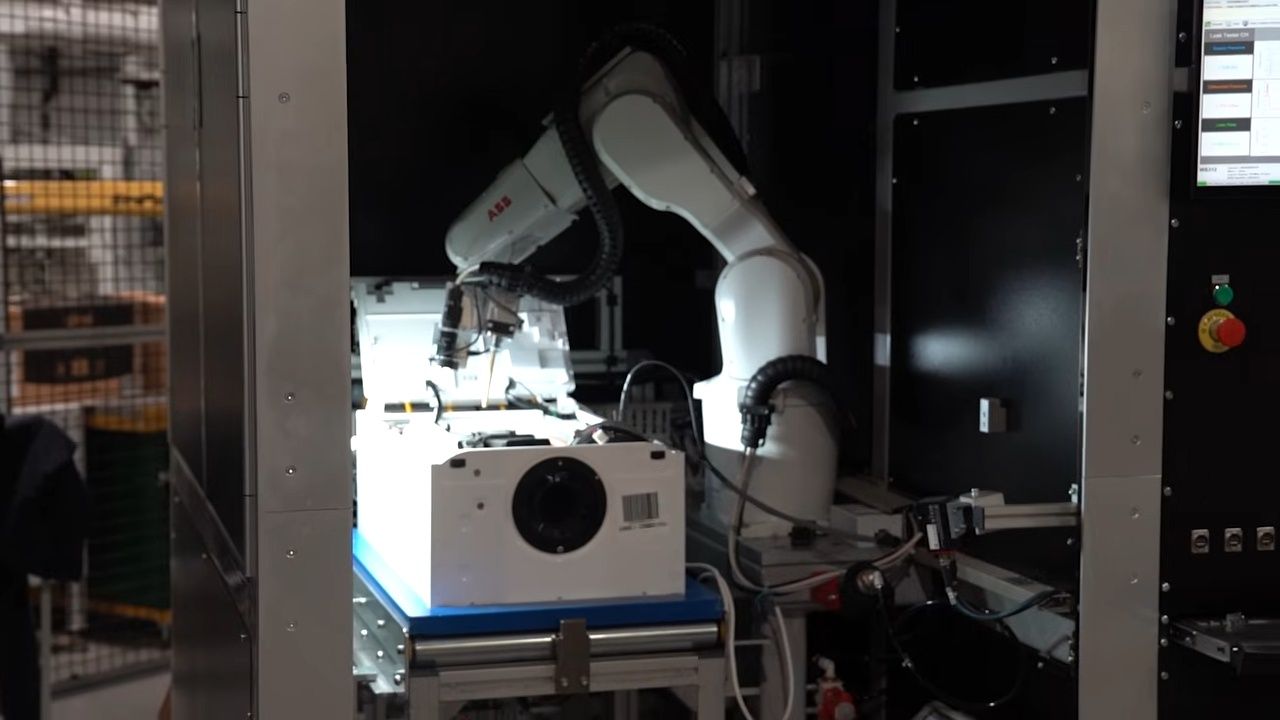
At Ideal Heating's Hull factory, the assembly process we saw was surprisingly hands-on.
Rather than every worker repeatedly fitting one single component as a boiler moves past on a traditional production line, operators take considerably more ownership over the assembly process.
Tools are configured for the correct fittings, components are scanned and checks take place throughout the build.
And yes, those checks work.
Our own boiler initially received a red result after a couple of wires weren't sitting exactly where they should have been.
They were repositioned.
The boiler was scanned again.
Green light.
Only then was it ready to be closed up and move to the next stage.
It's a good reminder of just how much engineering is hiding behind what appears to be a fairly ordinary white box.
Watch us build a boiler from scratch
Reading about a heat exchanger is one thing.
Actually seeing the burner, pump, diverter valve, PCB and expansion vessel being fitted makes the whole system considerably easier to understand.
We visited Ideal Heating's UK manufacturing facility and built a boiler ourselves, component by component.
Is it time to replace your boiler?
Understanding how a boiler works is interesting.
Understanding why yours has suddenly stopped working is slightly less fun.
If your boiler is becoming unreliable, inefficient or increasingly expensive to repair, replacing it can sometimes make more sense than continuing to spend money keeping an ageing appliance alive.
At Heatable, you can compare suitable replacement boilers and get a fixed-price installation quote online without waiting around for a salesperson to visit your house.
Here’s why thousands choose us
If you’re aiming to get the best deal on a new boiler, consider getting your boiler installation with us. Here’s why:
Gas Safe installation within 24 hours.
Thousands of satisfied customers with an average score of 4.9 on Trustpilot, surpassing the market leader.
Which? Trusted Trader: Heatable is proudly recognised as a Which? Trusted Trader.
Price match guarantee: We will match any like-for-like cheaper quote.
Flexible payment options, including interest-free finance.
Up to a 12-year guarantee on selected boilers.
Fixed price guarantee: No hidden costs.
Save your quote and decide later.
Get an instant fixed price on a new boiler here.
To learn more about the best combi boilers and more, visit our advice section, check out our YouTube channel, or read customer testimonials here.
Heat Happy.