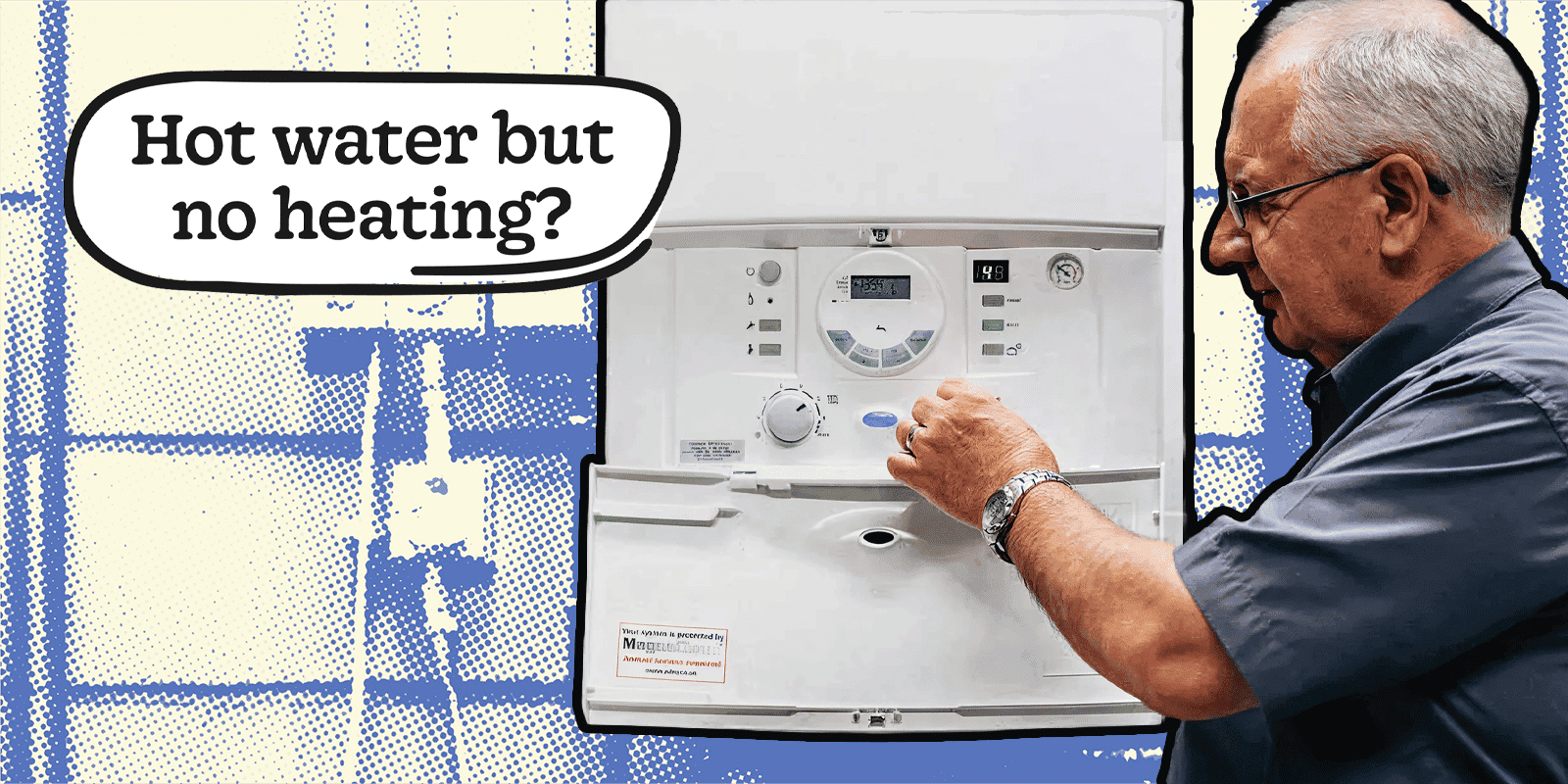

Waking up to icy-cold radiators while your shower runs piping hot is nobody’s idea of a cosy morning. But don’t panic just yet.
This is one of the most common boiler blips going, particularly with combi and system boilers, and it rarely means anything catastrophic.
More often than not, the cause is something simple: a sticky valve, low pressure, or a small control setting that’s gone astray.
The good news? Many of these can be checked (and even fixed) in a couple of minutes with no tools or technical know-how.
In this guide, we’ll take you through the quickest checks to try, how to spot the most likely faults, and when it’s time to call in a pro.
PS we fit new boilers with gas installation nationwide. Simply answer these questions, get your fixed price and you could get it installed as quick as tomorrow.
Quick Checks You Can Do Yourself
Before diving into deeper causes, try these simple DIY steps they often resolve the problem in minutes:
[1] Check the thermostat
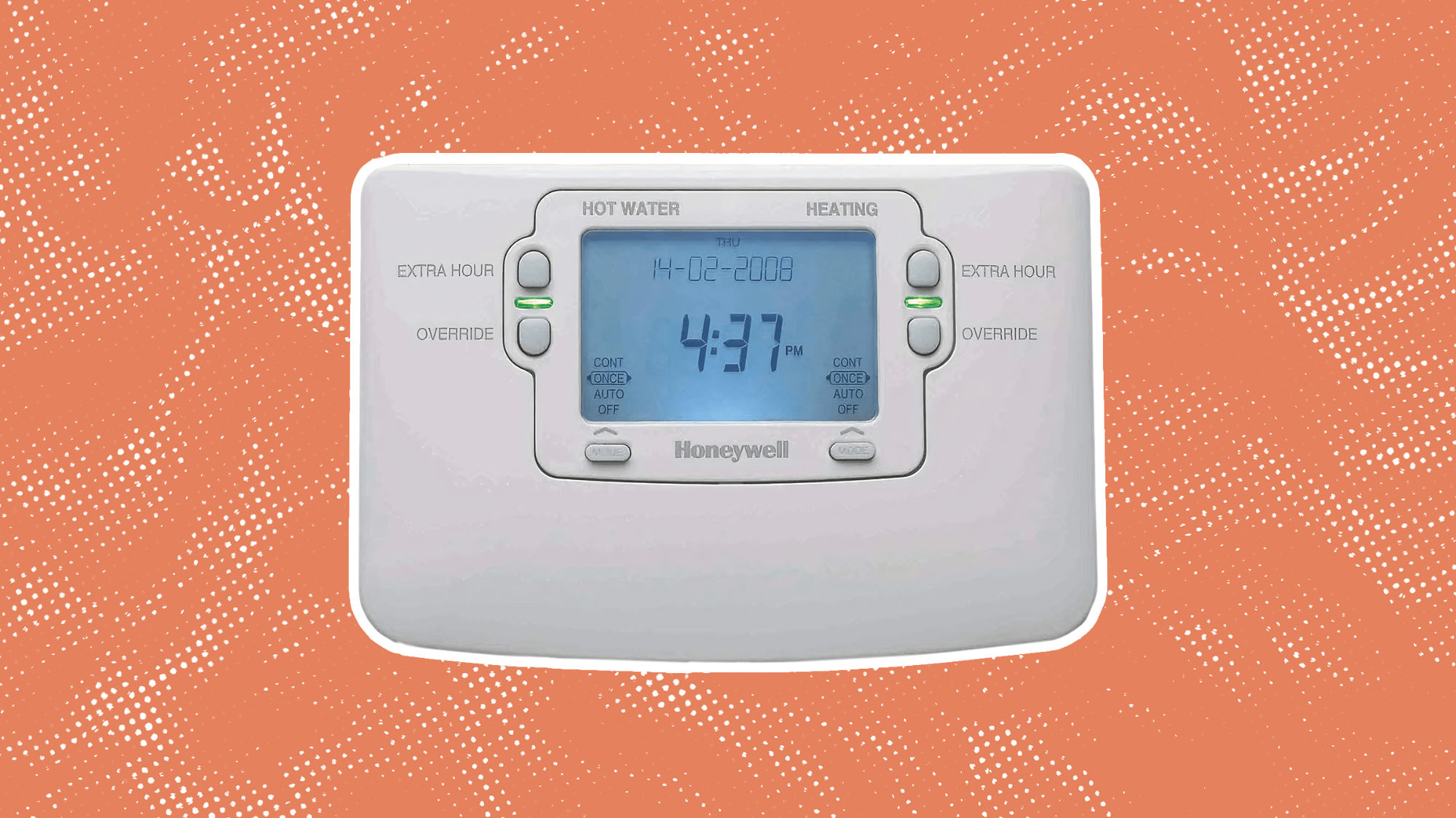
Make sure the batteries aren’t flat, the temperature is set high enough (around 20–22°C), and it’s not stuck on a timed schedule that isn’t calling for heat.
Nudge the temperature up a few degrees and see if the boiler kicks in.
[2] Check the boiler pressure

Look at your boiler’s pressure gauge; it should sit between 1 and 1.5 bar when cold.
If it’s below 1 bar, the heating loop may not have enough pressure to circulate hot water.
Top it up using the filling loop (your manual will show you where it is).
[3] Check for error codes

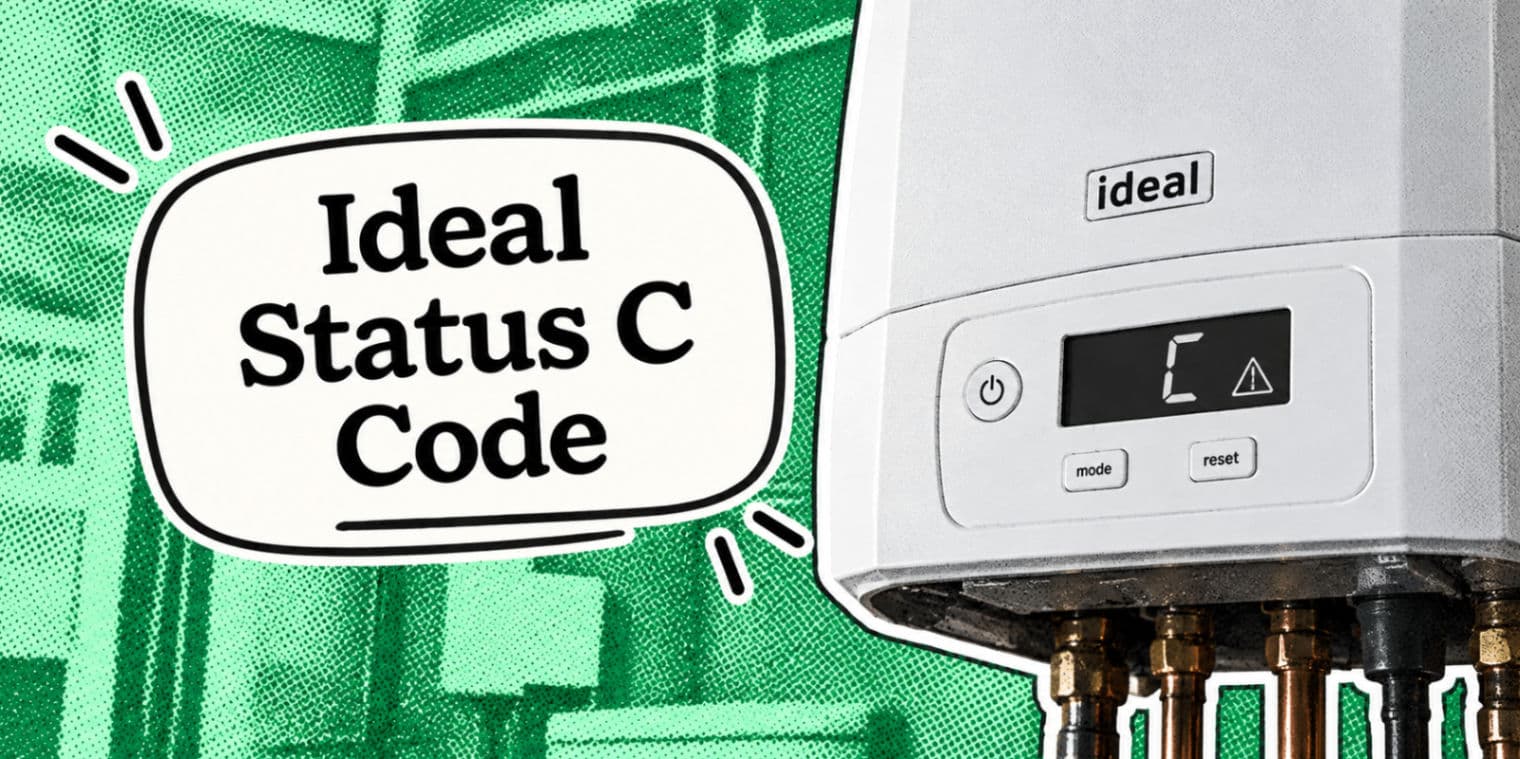
Most modern boilers display fault codes on the control panel.
Note down anything you see - codes like F22 or E119 often point toward circulation or pressure issues.
A quick search of your boiler model will explain the code in more detail.
[4] Make sure heating mode is actually on
On combi boilers it’s surprisingly easy to switch to hot water only.
Double-check your controls and ensure the heating function is turned back on.
[5] Bleed your radiators
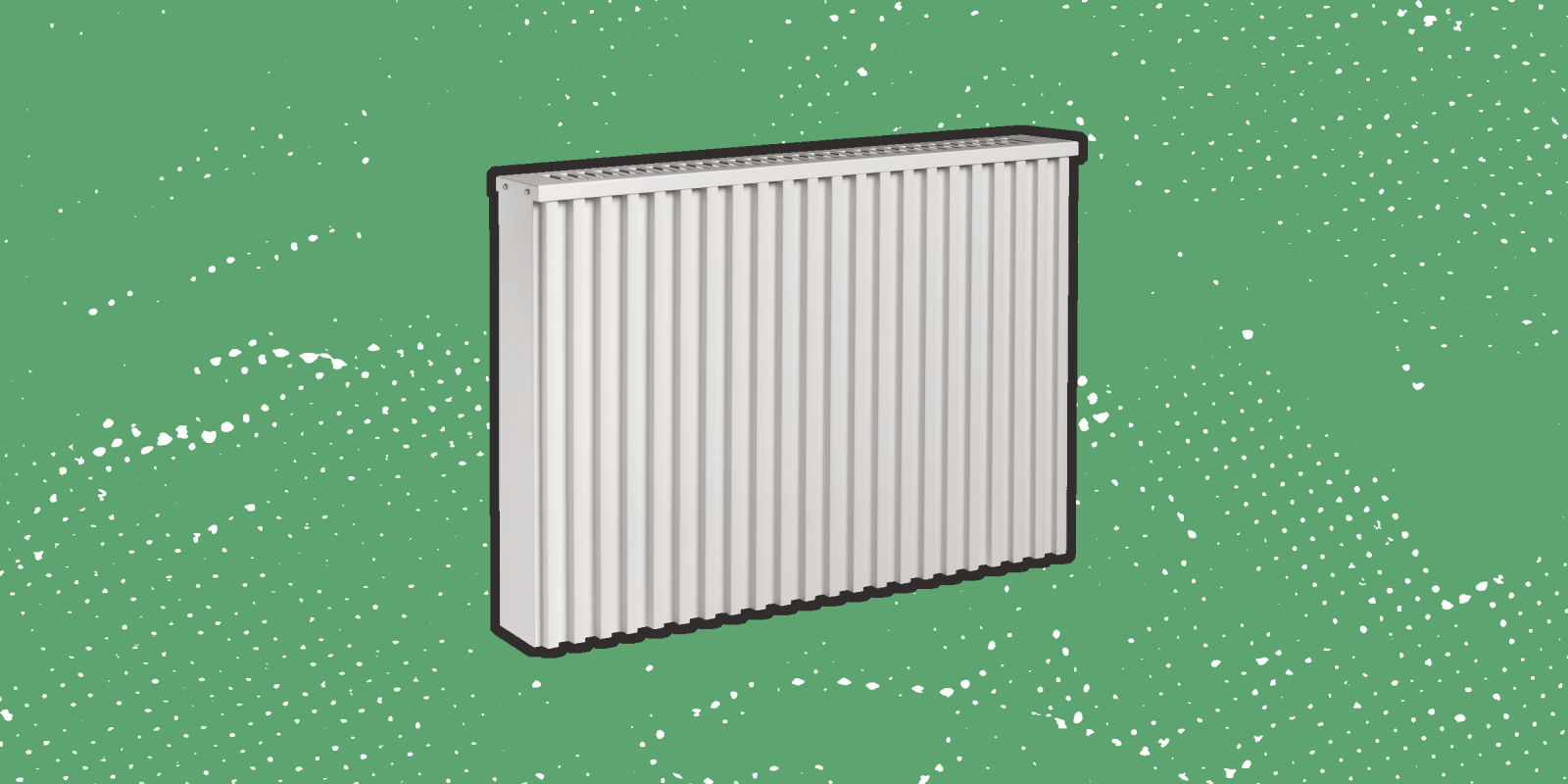
Air pockets can stop hot water flowing properly.
Use a radiator key (or flat-head screwdriver) to gently open the bleed valve at the top until air escapes and water flows steadily.
Close the valve, then check and top up the boiler pressure if needed.
Recommended heating guides:
Common Causes When You Have Hot Water But No Heating
If those quick checks haven’t sorted it, don’t worry - the issue is usually one of a few well-known culprits.
Here’s what they are and how they affect your heating, explained in plain English:
Faulty diverter valve (most common on combi boilers)
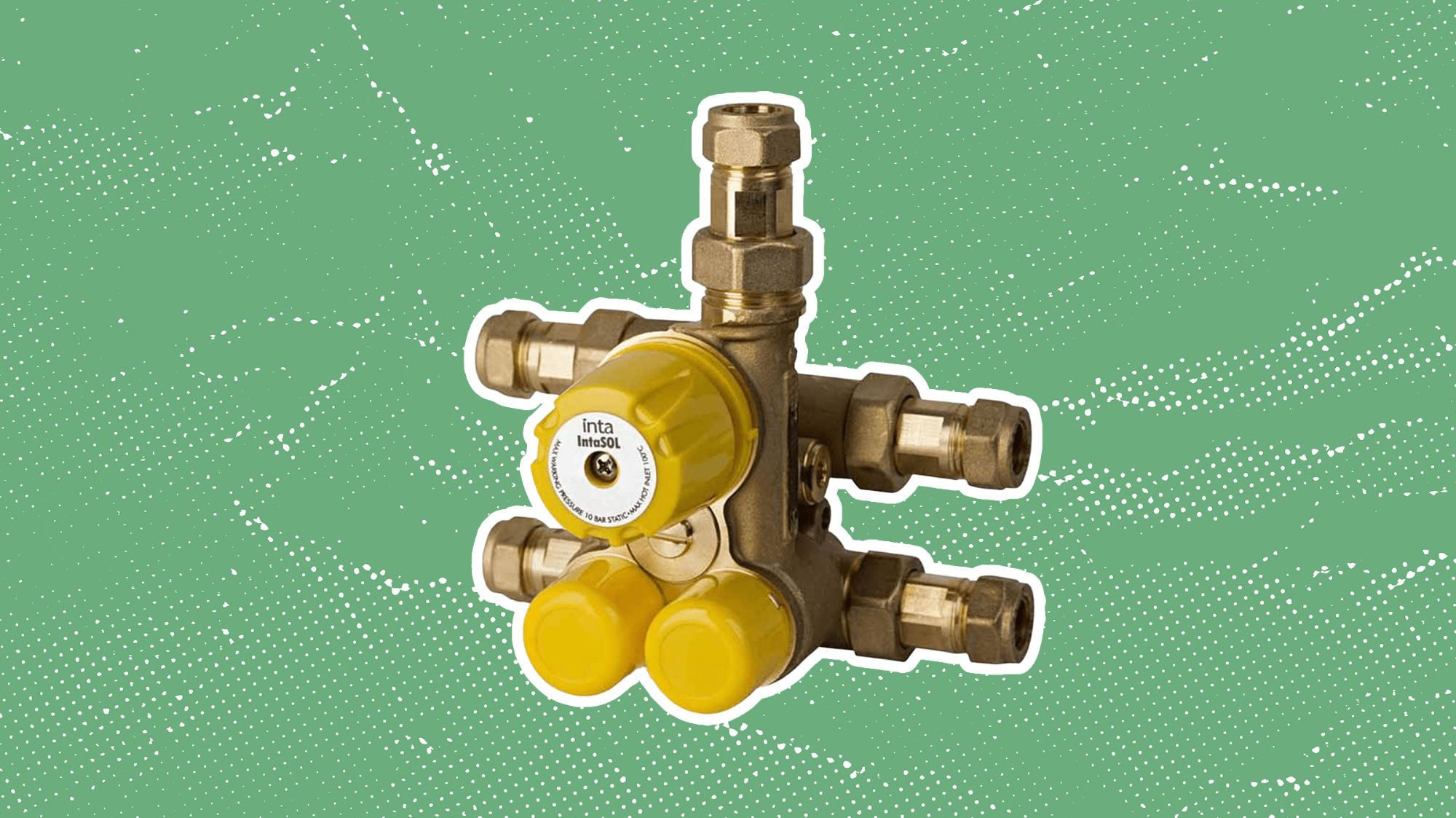
Think of the diverter valve as the traffic controller inside your boiler. Its job is to direct hot water either to your taps or your radiators.
If it gets stuck in “hot water” mode, you’ll get lovely hot showers but stone-cold rads.
It’s a moving mechanical part that naturally wears over time, and when it sticks, it usually needs a Gas Safe engineer to free or replace it.
Pump failure or pump seized
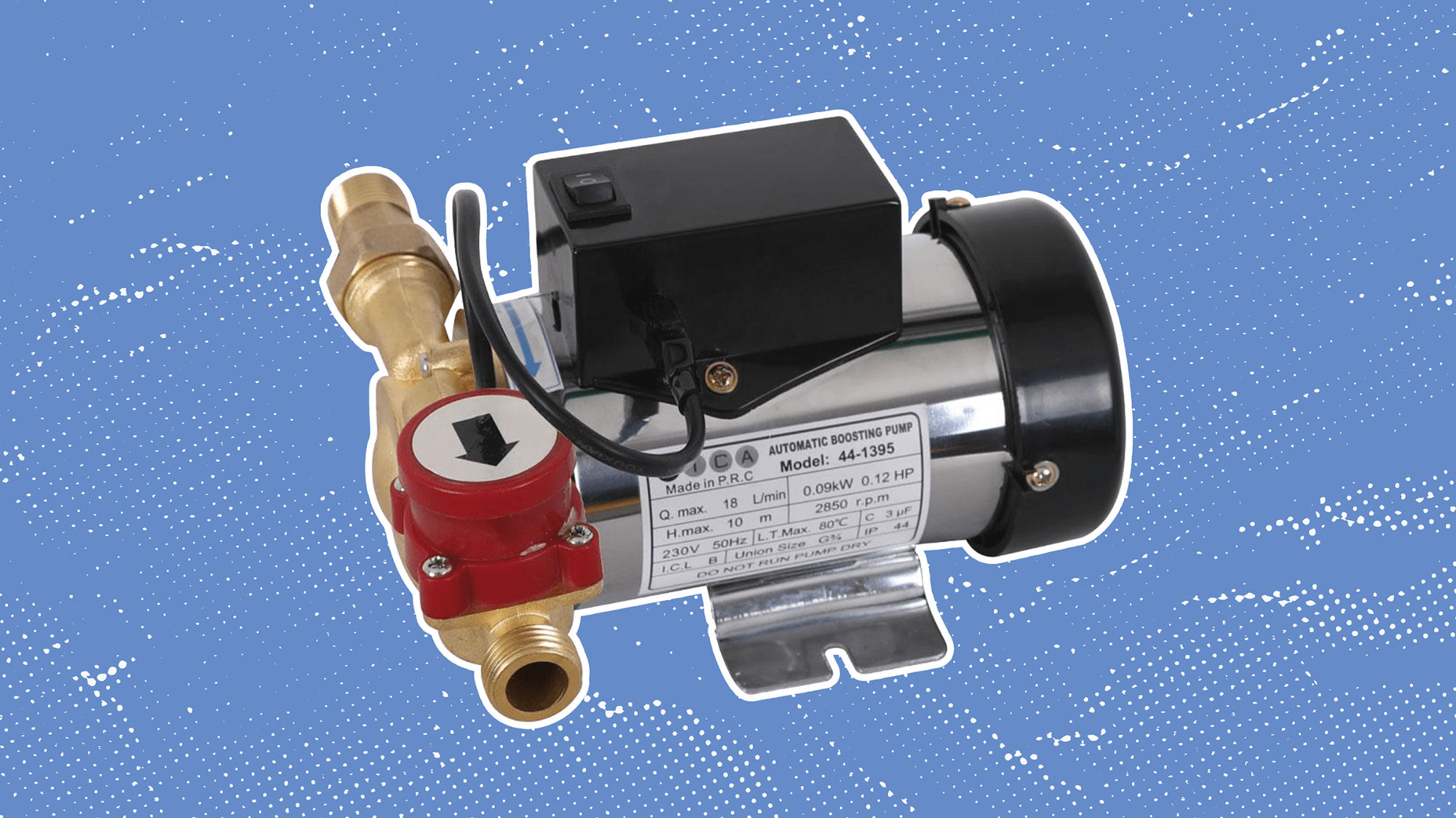
Your boiler’s pump pushes hot water around the radiators. If it’s failed - or seized up after sitting still over summer - the boiler may fire, but nothing actually circulates.
A tell-tale sign is hearing the boiler try to start, but the radiators stay completely cold. This is another job for an engineer, but it’s typically a straightforward fix.
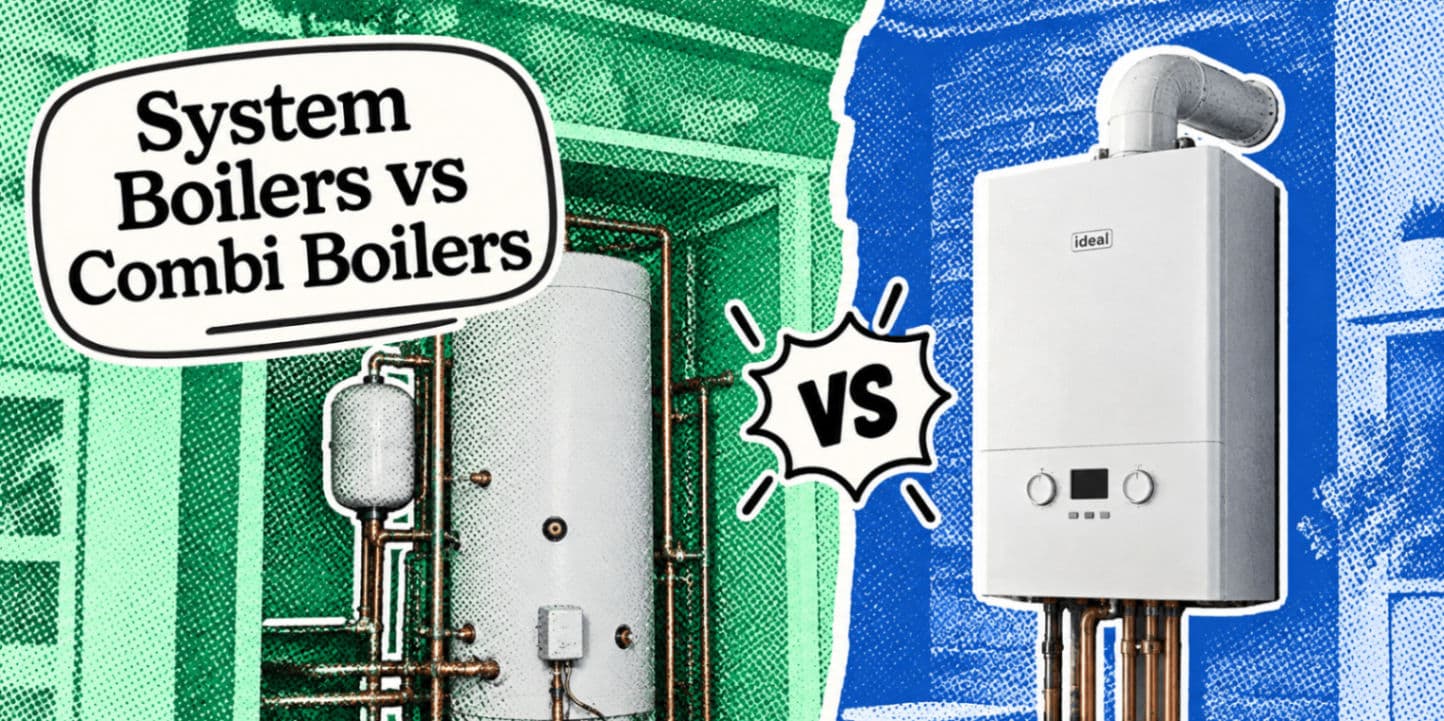
Motorised valve issue (system boilers)
If you have a system or heat-only boiler, the heating flow is controlled by a motorised valve (either a 2-port or 3-port type).
When this valve sticks or the motor burns out, it can shut off the heating circuit entirely, leaving you with hot water but no warmth from the radiators.
Thermostat or Programmer Failure
If your thermostat or timer isn’t sending a proper call for heat to the boiler, the heating side simply won’t fire up.
It might be a wiring issue, a faulty sensor, or a programmer that’s finally given up.
Because hot water is triggered differently, your taps will still work just fine - which is why this fault can be sneaky.
Low Boiler Pressure or Frequent Pressure Drops
If your boiler pressure keeps slipping below 1 bar, the heating loop can’t run safely. Many boilers will shut down the heating automatically to protect the system.
The cause is often a tiny leak somewhere - a radiator valve, a joint under the floor, or even the boiler itself.
If the pressure refuses to hold after topping up, it’s a sign the system needs professional attention.
When to Call a Gas Safe Engineer
Some issues are quick DIY wins, but many heating-side faults are best handled by a pro.
Call a Gas Safe registered engineer if you suspect:
Diverter valve failures (a common and usually straightforward repair).
Pump problems, including seized or failed pumps.
Motorised valve faults that need rewiring or replacing.
PCB or electrical wiring issues.
Pressure that keeps dropping after topping up.
Any visible leaking from pipework, radiators, or the boiler.
The good news? Most of these faults are repairable without major disruption. A good engineer can usually diagnose the issue quickly and get your heating back online.
But if your boiler is older and the list of repairs is growing, it’s worth weighing up whether replacement might be the more cost-effective route.
When It Might Be Cheaper to Replace the Boiler
If your boiler is 10–15 years old, breaking down regularly, or facing expensive part swaps (like a diverter valve and a PCB), upgrading can be the more sensible choice.
Older boilers are less efficient, harder to source parts for, and tend to cause rising bills as they age.
A new A-rated boiler can lower your running costs, boost reliability, and save you a lot of stress in the long run.
Get a fixed price in 90 seconds, with installation as soon as tomorrow - all from the couch. Head to our quote tool for quick, hassle-free options.
Conclusion
Hot water but no heating is a really common issue - and now you’ve got a solid set of first checks to try at home.
If it turns out to be a heating-side component like a pump, valve, or wiring fault, calling a Gas Safe engineer is the safest next step.
And if repairs just aren’t cutting it anymore, Heatable has you covered.
We install A-rated boilers nationwide at fixed prices, with Gas Safe engineers handling everything from start to finish.
Boiler Broken?
If your boiler is broken beyond repair, very old and no longer covered by the manufacturer's warranty, it probably makes more financial sense to get a brand-new boiler installed.
If you’re aiming to get the best deal on a new boiler, consider getting a quote from us, here’s why:
Gas Safe installation within 24 hours.
Thousands of satisfied customers with an average score of 4.9 on Trustpilot, surpassing the market leader.
Which? Trusted Trader: Heatable is proudly recognised as a Which? Trusted Trader.
Price match guarantee: We will match any like-for-like cheaper quote.
Flexible payment options, including interest-free finance.
Up to 12-year guarantee on selected boilers.
Fixed price guarantee: No hidden costs.
Save your quote and decide later.
Get an instant fixed price on a new boiler, here.
To learn more about boilers, visit our advice section, check out our YouTube channel, or read customer testimonials here.
Heat Happy.