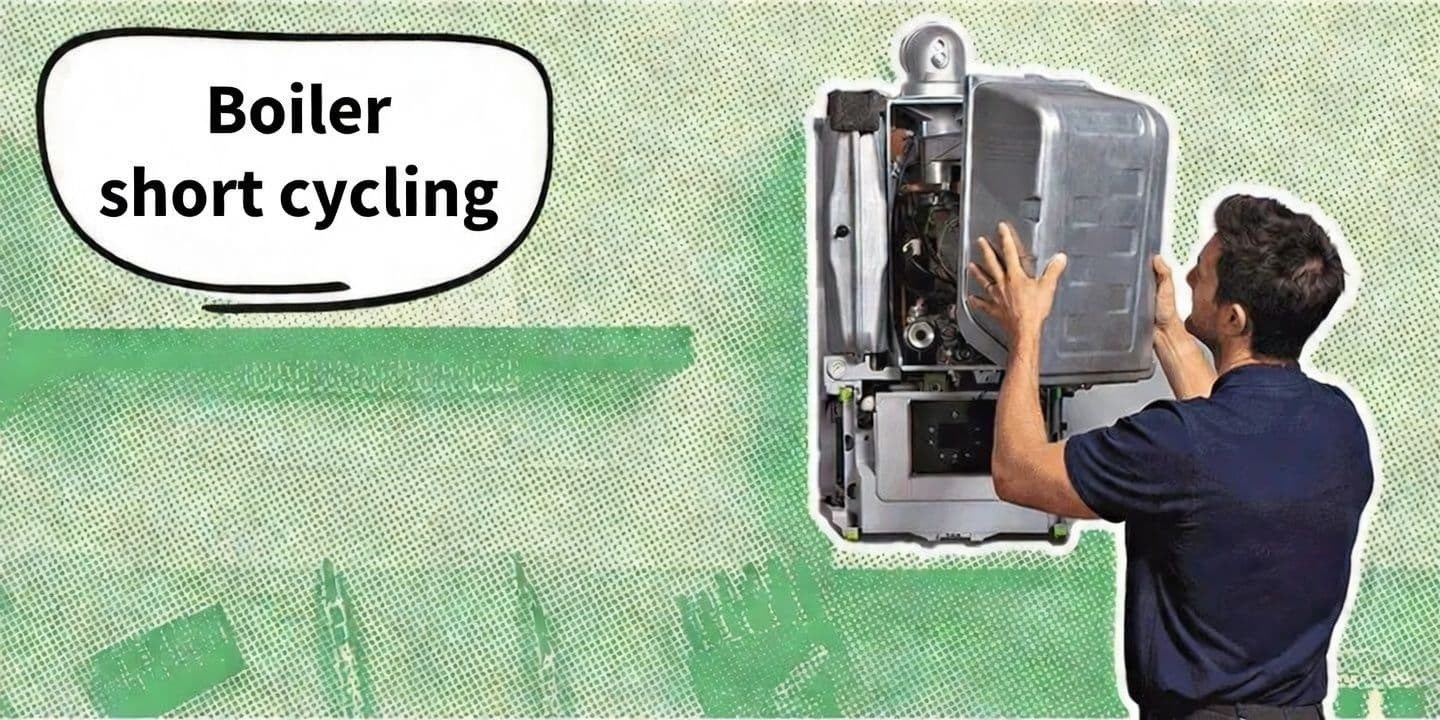

Boiler short cycling is when your boiler fires up, runs for a minute or two, then shuts off - only to restart again and again. Sometimes it’ll do this every few minutes, which is a strong hint something isn’t quite right.
Aside from being irritating, short cycling can waste energy, increase wear on parts, and leave you with patchy heating or hot water that can’t make its mind up. Over time, that can mean higher bills and a shorter boiler lifespan.
The good news - it’s often fixable. Start with a few safe checks - make sure your thermostat isn’t constantly calling for heat, your flow temperature isn’t set unnecessarily high (radiators typically run best around 60–70°C), and your system pressure is sitting in the usual range (commonly 1.0–1.5 bar when cold on sealed systems).
If it keeps happening, a Gas Safe engineer can pinpoint the cause quickly and stop it turning into a bigger repair.
PS We fit new boilers with gas-safe installation nationwide. Simply answer these questions, get your fixed price and you could get it installed as quickly as tomorrow.
What is Boiler Short Cycling?
Boiler short cycling is when your boiler switches on, heats up fast, then shuts off again… only to restart shortly after. Basically, it’s doing sprints when it should be cruising.
Normal cycling is totally fine - that’s when the boiler runs for a decent stretch (often 10–15 minutes or more, depending on demand), then pauses once your home is up to temperature.
Short cycling is the annoying version: the boiler’s run times are very short, and it ends up starting and stopping constantly. That’s where efficiency drops and wear-and-tear ramps up.
Signs your boiler is short cycling:
The boiler fires for 10–60 seconds, switches off, then repeats.
Radiators warm up briefly but don’t stay consistently hot.
Hot water temperature yo-yos (especially on combi boilers).
You notice more start-up noise than usual - frequent clicks, whooshes, or ignition sounds.
If your boiler keeps doing this, it’s worth looking into sooner rather than later - because short cycling rarely fixes itself, and it can turn a small issue into a bigger one over time.
Why Short Cycling is a Problem
No panic - short cycling is common and it’s often fixable. But it’s not something you want to leave on read.
Here’s why:
It wastes energy
Boilers are least efficient during constant start-ups. If yours is firing up every few minutes, you’re basically paying for lots of “warm-up laps” and not much actual heating.
It increases wear and tear
All that stop-start action puts extra strain on parts like the ignition, fan, and pump. That can mean more breakdowns - and a shorter boiler lifespan.
It can leave heating patchy
Short bursts often don’t give the system long enough to properly circulate heat, so you can end up with rooms that never quite get comfy (or warm up then drop off again).
It’s often a symptom, not the root cause
Short cycling is usually the end result of something else - like poor flow, controls being set too aggressively, low pressure, or a component starting to misbehave.
Think of it less like a disaster and more like your boiler’s way of saying: “Something’s off - sort me now before I get expensive.”
Common Causes of Short Cycling
Short cycling can look dramatic, but the causes are often pretty down-to-earth - especially in UK homes where combi boilers and sealed systems are the norm.
Here are the usual suspects:
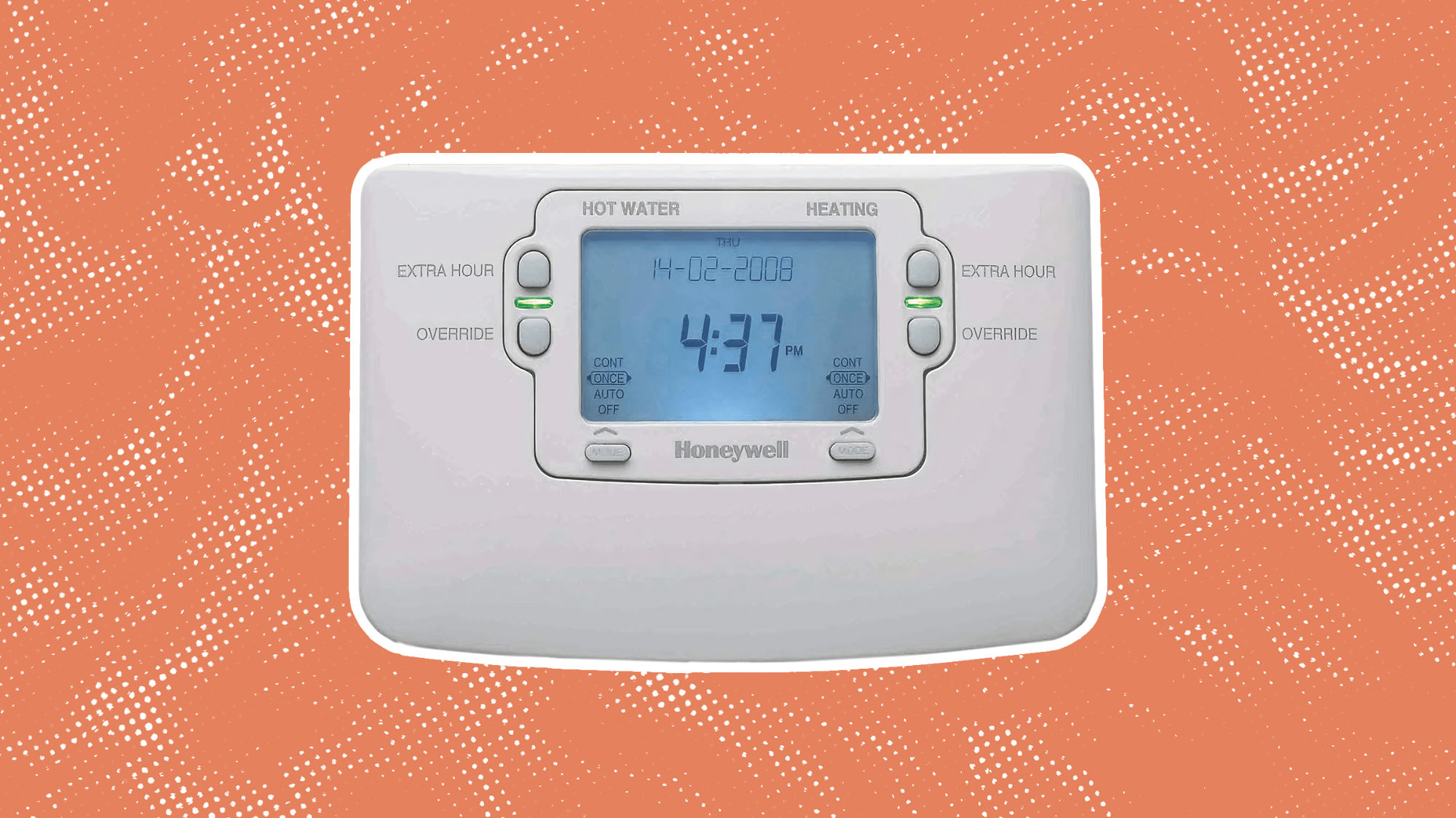
Thermostat or controls set too high (or in the wrong spot)
If your thermostat is near a radiator, in direct sun, or in a draughty hallway, it can “think” the house is warm (or cold) too quickly and tell the boiler to stop/start unnecessarily.
Boiler flow temperature set too high
The flow temperature is the heat of the water leaving the boiler. If it’s cranked up, the boiler hits its target fast, shuts off, cools, then repeats. Classic short-cycle behaviour.
Low system pressure (sealed systems / most combis)
Low pressure can reduce circulation, which can make the boiler heat up too quickly internally and cut out to protect itself.
Radiator valves restricting flow (TRVs all turned down)
If most TRVs are shut or nearly shut, the system can’t move water properly. The boiler heats what’s in the pipework fast, then has nowhere to send it - so it cycles off.
System imbalance
Some radiators “hog” the hot water while others barely get a look-in. That uneven flow can cause the boiler to satisfy the warm area quickly and then shut down before the rest of the house catches up.
Air in the system or partially blocked radiators
Trapped air and minor blockages slow circulation, making temperature readings jumpy and encouraging short cycling.
Sludge or a dirty system restricting circulation
Over time, heating systems can build up sludge and debris that narrows pipework and blocks radiator channels - reducing flow and triggering overheating shut-offs.
Pump issues or a stuck diverter valve (engineer job)
If the pump isn’t shifting water properly - or the diverter valve is sticking on a combi - the boiler can’t circulate heat as it should, so it ends up firing and cutting out repeatedly.
Faulty NTC temperature sensor (engineer job)
This sensor tells the boiler what temperature it’s dealing with. If it’s misreading, the boiler will behave like it’s confused… because it is.
Heat exchanger scaling (hard water areas)
In hard water regions (hello, South East), limescale can build up inside the heat exchanger and reduce heat transfer, leading to overheating and rapid shut-offs.
Boiler oversized for the demand (common in mild weather)
Modern boilers modulate down, but if the minimum output is still too high for what your home needs (especially in spring/autumn), it can struggle to run steadily and will cycle more.
A lot of these start with simple tweaks - but a few are your boiler waving a little flag that says: “Engineer, please.”
Try this first (quick checklist):
Lower your thermostat by 1–2°C and see if cycling calms down.
Turn the boiler flow temperature down a notch (radiators commonly do well around 60–70°C).
Check system pressure (sealed systems) and top up if it’s low.
Make sure at least 2–3 radiators/TRVs are open to keep water moving.
Bleed radiators if they’re gurgling/cold at the top - then recheck pressure afterwards.
Checks You Can Do Safely (Step-by-Step)
Safety first. Don’t open the boiler casing, don’t poke anything gas-related, and don’t “see what happens if I just…” - that’s Gas Safe territory.
What you can do is run a few sensible, homeowner-friendly checks that fix a surprising number of short-cycling cases.
[1] Thermostat / programmer basics (the “is it being told to do this?” check)
Is it constantly calling for heat?
Check your schedule, timers and overrides. A manual override can have your boiler working overtime for no reason.
Is the thermostat in a weird spot?
If it’s near a radiator, in direct sun, above a heat source, or in a draughty area, it can get confused and make the boiler behave like a yo-yo.
Try this first:
Drop the target temperature by 1°C (e.g., 21°C → 20°C) and leave it for an hour.
If cycling calms down, the issue may be control/placement rather than a boiler fault.
[2] Check boiler flow temperature (the “too hot, too fast” check)
Flow temperature is how hot the water leaving the boiler is on its way to your radiators.
If it’s set too high, the boiler hits its target quickly, switches off, cools down… then repeats. Classic short cycling.
Typical radiator range: often 60–70°C in UK homes (lower can work in mild weather).
Important note: heat pumps are different (usually under ~55°C).
Try this first:
If you can adjust it on the boiler controls, reduce flow temperature by 5–10°C, then give it a full day to judge comfort properly.
(Your aim is “warm home, longer boiler runs” - not “scorching radiators for 2 minutes.”)
[3] Check system pressure (combi / sealed systems)
Most combis and sealed systems like to sit around 1.0–1.5 bar when cold.
If it’s low, circulation can suffer and the boiler may cut out and restart more often.
Find the pressure reading on the dial gauge or digital display.
If it’s below ~1.0 bar, that’s a likely contributor.
Try this first:
Top it up using the filling loop exactly as your manual explains (slowly), bringing it back to around 1.2–1.5 bar cold.
Then check again after the heating has been on - and again the next morning when cold.

[4] Radiator valves & circulation (the “give the water somewhere to go” check)
Short cycling often happens when flow is restricted.
Make sure you haven’t got every TRV turned down.
Leave at least 2–3 radiators properly open so the system can circulate.
Try this first:
If you’ve got radiators that are cold at the top or gurgling, bleed them (radiator key job).
Then recheck pressure afterwards - bleeding can drop it.
[5] Magnetic filter check (only if it’s designed for homeowner cleaning)
If you’ve got a magnetic filter and it’s specifically user-serviceable (some are, many aren’t), a quick clean can improve flow.
Try this first:
Only do this if the manual says it’s DIY-safe. If you’re not sure, skip it - this is where “helpful” can turn into “leaky.”
Stop here and call a Gas Safe engineer if…
Pressure won’t hold steady / keeps dropping
You spot leaks, damp patches, or dripping from the discharge pipe outside
You get error codes, repeated lockouts, or banging/kettling noises
You smell gas (leave the property and call 0800 111 999)
Combi vs System vs Heat-Only: What Changes?
UK boilers aren’t one-size-fits-all, so short cycling can look a bit different depending on what you’ve got:
Combi boilers:
Often shows up as hot water temperature wobble and quick firing on/off because everything is on-demand.
System boilers:
More influenced by external controls - zone valves, cylinder stats, programmer settings. A control fault can make cycling worse.
Heat-only (regular) boilers:
Often points to circulation issues or external pump/control problems. Less common in new installs, but still plenty out there.
The basics stay the same: check controls, flow temp, pressure and circulation first - then escalate.
When to Call a Gas Safe Engineer
If you’ve done the safe checks and it’s still cycling like a strobe light, get a pro in. Call a Gas Safe engineer if:
Short cycling continues after thermostat/flow temp tweaks
Any error code appears
Pressure keeps dropping “mysteriously”
Radiators have cold spots and you suspect sludge/poor circulation
You suspect a component issue (sensor, pump, diverter valve, heat exchanger)
A bit of tweaking can fix the easy stuff - but if it’s persistent, you’ll save time (and usually money) by getting it properly diagnosed.
How an Engineer Will Usually Diagnose It (So You Know What to Expect)
A good engineer won’t “have a punt” and start swapping parts.
They’ll work through it logically and prove what’s causing the short cycling.
Here’s what they’ll typically do:
Check the basics first (but properly):
System pressure, pump operation, any error history, and what the boiler’s sensors are actually reporting.
Measure flow vs return temperature (ΔT):
They’ll look at the temperature difference between the flow pipe (out of the boiler) and return pipe (back in).
If that ΔT is off, it often points to circulation issues, restrictions, or incorrect settings.
Assess circulation and components:
Pump performance, diverter valve behaviour (especially on combis), and whether valves/controls are doing what they should.
Safety checks where needed:
If anything looks suspect, they may check flue/combustion readings and overall operation - because safe and efficient go hand in hand.
Look for sludge/scale (without instantly yelling “powerflush!”):
They’ll check signs of restricted flow, dirty system water, blocked radiators, or limescale in hard water areas.
A powerflush is sometimes the right call - but it’s not automatically the answer.
Tweak and optimise your setup:
This can include adjusting flow temps, improving control settings, and recommending options like load compensation or weather compensation if your boiler and controls support it.
If you’ve already done the simple checks (thermostat, flow temp, pressure, valves), the appointment is usually quicker - and you’ll get to the point faster.
Preventing Short Cycling
Once you’ve got it sorted, keeping it sorted is mostly about a few simple habits:
Get an annual service
It’s the boiler equivalent of an MOT - small issues get caught before they turn into pricey ones.
Keep an eye on pressure (sealed systems)
If you’re topping up regularly, that’s not “normal” - it’s a hint something’s leaking or a component isn’t happy.
Balance your radiators
When hot water is distributed evenly, the system runs smoother and the boiler can modulate instead of constantly switching on/off.
Use decent controls
TRVs, a properly placed thermostat, and (if it suits your home) a smart thermostat can stop the boiler being bullied into pointless stop-start cycles.
Adjust flow temperature seasonally
You don’t need the same settings in October as you do in January. Lower flow temps in mild weather often = steadier running and better efficiency.
If you replace the boiler, size it properly
Don’t just match the old one because it’s “what’s always been there.”
A correctly sized boiler with a good modulation range is much less likely to short cycle in the UK’s stop-start weather.
A little prevention genuinely goes a long way - and your boiler (and energy bill) will thank you for it.
Next Steps For Your New Boiler Journey:
When planning to install a new boiler for your home, there are several important factors to consider. Make sure to refer to the following guides to help you make informed decisions:
To dive deeper into these topics, head over to our advice section or check out our YouTube channel to learn more.
Need a new boiler?
If you’re aiming to get the best deal on a new boiler, consider getting a quote from us, here’s why:
Gas Safe installation within 24 hours.
Thousands of satisfied customers with an average score of 4.9 on Trustpilot, surpassing the market leader.
Which? Trusted Trader: Heatable is proudly recognised as a Which? Trusted Trader.
Price match guarantee: We will match any like-for-like cheaper quote.
Flexible payment options, including interest-free finance.
Up to 12-year guarantee on selected boilers.
Fixed price guarantee: No hidden costs.
Save your quote and decide later.
Get an instant fixed price on a new boiler, here.
To learn more about boilers, visit our advice section, check out our YouTube channel, or read customer testimonials here.
Heat Happy.