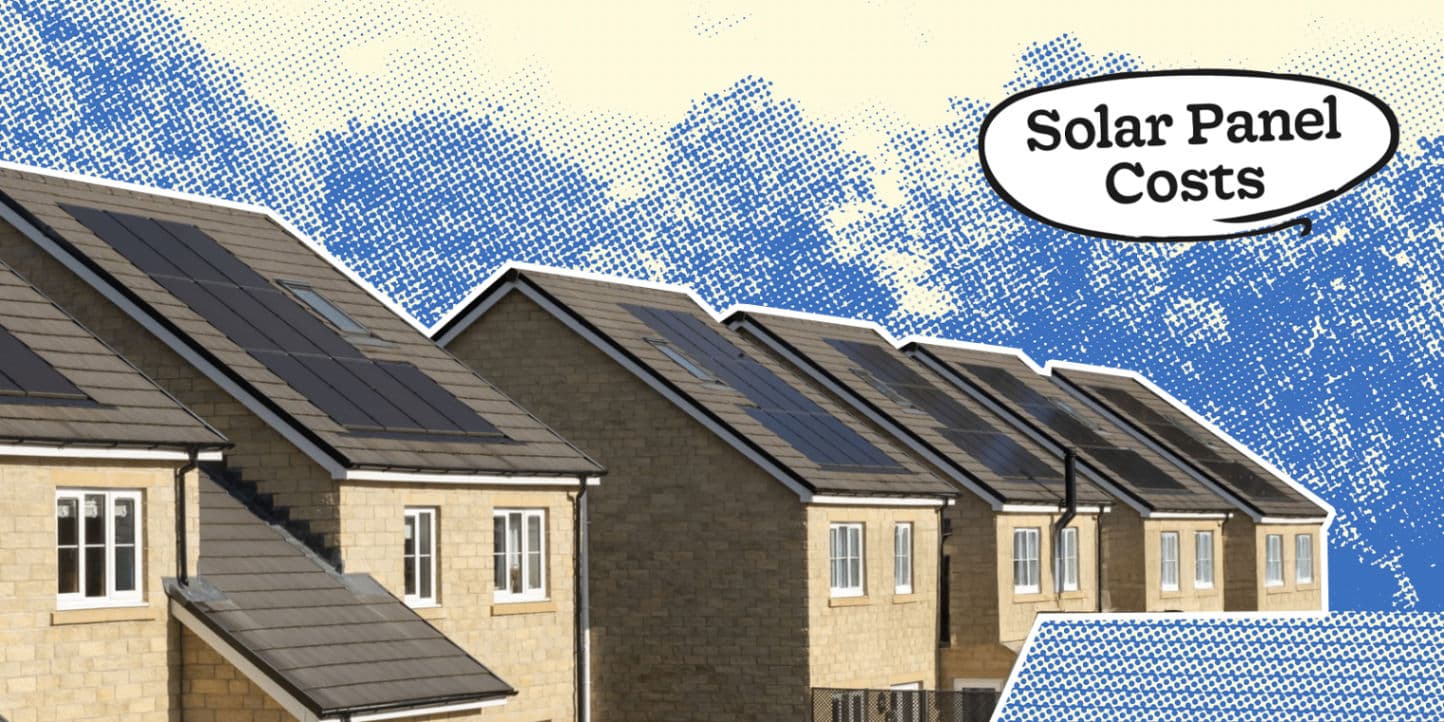

Solar panels in the UK typically cost £5,000 to £10,000+ including installation, depending on the system size, roof type, scaffolding, inverter, panel quality and whether you add battery storage.
- How much do solar panels cost in the UK?
- Solar panel cost by number of panels
- How much does solar battery storage cost?
- What affects solar panel installation cost?
- How much can solar panels save you?
- What is the Smart Export Guarantee and how much can you earn?
- How long does it take for solar panels to pay back?
- Are solar panels worth it in the UK in 2026?
- Grants, VAT and funding for solar panels in 2026
- What’s included in a solar installation quote?
- Is your home suitable for solar?
- Why choose Heatable for solar?
A typical 4kW solar panel system usually costs around £6,500 to £8,500, while a solar panel system with battery storage often costs around £10,000 to £14,000+.
The better question is not just “how much do solar panels cost?” but “how much will my system cost, and how much could it save me?” That’s what this guide breaks down.
Eligible solar panel and battery installations also continue to benefit from 0% VAT until 31 March 2027, before reverting to 5% from 1 April 2027.
⚡ If you’re already thinking solar looks like a good shout, you can get a fixed price in 60 seconds with Heatable’s quote tool - no pushy calls, no awkward “just checking in” texts, just a free design and instant price.
How much do solar panels cost in the UK?
For most homes, solar panel costs fall into three main brackets:
System size | Typical home | Panels | Typical installed cost | Estimated annual saving | Estimated payback |
3.0 kWp | Small home / 1-2 bedrooms | 7-8 | £5,000–£6,500 | £350–£400 | 13–15 years |
4.0 kWp | Average 2-3 bedroom home | 9-10 | £6,500–£8,000 | £465–£585 | 10–13 years |
5.0 kWp | Larger 3-4 bedroom home | 11-13 | £8,000–£10,000 | £600–£750 | 11-14 years |
4.0 kWp + Battery | Average home with storage | 9-10 | £10,000–£14,000 | £585–£765 | 12–16 years |
*Savings vary by location, daytime usage, export tariff, and electricity prices.
That means the average UK homeowner is usually looking at mid-four figures for a standard solar install, or five figures once a battery joins the party.
🔑 Key Takeaways:
A typical 4kW solar panel system costs £6,500 to £8,500
A 4kW solar system with battery storage usually costs £10,000 to £14,000
A smaller 3kW system often costs around £5,000 to £6,500
The best benchmark for UK solar installation pricing remains the latest MCS installation cost data
The right benchmark for savings is the Ofgem price cap, not the old Energy Price Guarantee
Ofgem says the typical annual direct debit figure was £1,758 from 1 January to 31 March 2026, then £1,641 from 1 April to 30 June 2026
SEG export rates vary by supplier, and suppliers can set their own tariff structure as long as it remains above 0p/kWh
0% VAT applies to eligible solar and battery installs until 31 March 2027
A battery can increase how much solar electricity you use at home, but it does not automatically improve payback
Estimate your solar panel cost
Use the guide below to estimate where your solar installation is likely to sit before getting a fixed quote.
Your situation | Likely system | Typical installed cost |
Small home, low electricity use | 3kW solar system | £5,000-£6,500 |
Average 2-3 bedroom home | 4kW solar system | £6,500-£8,500 |
Larger home, higher electricity use | 5kW solar system | £8,000-£10,000+ |
Solar panels with battery storage | 4kW-5kW system + battery | £10,000-£14,000+ |
Premium panels or complex roof | Varies | £10,000+ |
Battery added to solar system | Battery add-on | £4,000-£8,000 |
Quick solar cost estimator
Answer these questions to estimate your likely cost band:
1. How many bedrooms does your home have?
1-2 bedrooms: often suited to a 3kW system
2-3 bedrooms: often suited to a 4kW system
4+ bedrooms: may need a 5kW+ system, depending on usage
2. How much electricity do you use?
Low usage: smaller system may be enough
Average usage: 4kW is a common benchmark
High usage: larger system or battery storage may make sense
3. Are you home during the day?
Yes: you may use more of your solar electricity directly
No: you may export more and rely more on evening grid electricity
Sometimes: a battery may help, depending on usage and cost
4. Do you want battery storage?
No: lower upfront cost
Yes: higher upfront cost, but more self-consumption
Not sure: compare both options before deciding
5. Is your roof simple or complex?
Simple pitched roof: usually cheaper
Flat roof: may need specialist mounting
Shaded or awkward roof: may reduce generation or increase cost
Multiple roof faces: may need more design work
6. Do you have or plan to get an EV?
No: standard solar may be enough
Yes: a larger system, battery or smart EV charging setup may be worth considering
These questions will not replace a proper solar design, but they help explain why two homes can receive very different quotes.
Example solar panel cost estimates
Example home | Likely installation | Estimated cost |
2-bed terrace, simple roof | 3kW solar system | £5,000-£6,500 |
3-bed semi, average usage | 4kW solar system | £6,500-£8,500 |
4-bed detached, higher usage | 5kW solar system | £8,000-£10,000+ |
3-bed home with evening usage | 4kW solar + battery | £10,000-£14,000 |
Larger home with EV | 5kW+ solar, possible battery | £10,000-£15,000+ |
Complex or shaded roof | Bespoke design | Varies |
These are guide prices, not fixed quotes. Your actual price depends on your roof, system size, scaffolding, inverter, panel choice, battery storage and installation requirements.
Real Heatable quote data: what solar panels typically cost
To make this guide more useful, we reviewed Heatable solar quote data across common domestic solar installations.
The figures below show median quoted prices for typical installations. They are guide prices, not fixed quotes, because your final price depends on your roof, property, system size, inverter, scaffolding, battery storage and any extra installation work required.
Installation type | Median Heatable quote | Common quote range | Typical scenario |
3kW solar panel system | £5,700 | £5,000-£6,500 | Small home, lower electricity use |
4kW solar panel system | £6,800 | £6,500-£7,500 | Typical 2-3 bedroom home |
5kW solar panel system | £7,750 | £7,500-£8,500 | Larger home, higher usage |
Solar panels + battery | £10,500 | £10,000-£12,500 | Solar PV with home battery storage |
Battery-only add-on | £6,500 | £6,000-£8,500 | Battery added to an existing solar setup |
Premium panel system | £8,500 | £8,000-£12,500 | Higher-output panels or premium kit |
Complex roof installation | £9,800 | £9,000-£15,500 | Multiple roof faces, access issues or unusual layout |
What the data shows 🧐
The lowest quotes were usually for smaller solar systems on simple, accessible roofs without battery storage.
The highest quotes usually involved one or more of the following:
larger system size
solar battery storage
premium panels
hybrid inverter
complex scaffolding
multiple roof faces
flat roof mounting
shading or layout constraints
bird protection
EV charging integration
This is why one home may pay around £6,500 for solar, while another can easily move into five figures. Solar is not just priced by the panel. The full system design matters.
Important note on this data
Heatable quote data reflects quotes generated through our solar quote journey. It should be treated as a real-world pricing benchmark, not a guaranteed price for every property.
Your fixed price may be lower or higher depending on your home, roof, selected system, battery choice, installation requirements and any non-standard work.
Solar panel cost by number of panels
A lot of homeowners asking about solar costs are really asking: “How much would solar cost on my roof?”
Here’s the more useful version:
Number of panels | Approx. system size | Typical installed cost |
1 panel | ~0.4kW | £150–£350 for panel only |
4 panels | ~1.6kW | £3,000–£4,500 |
6 panels | ~2.4kW | £4,000–£5,500 |
8 panels | ~3.2kW | £5,500–£7,000 |
10 panels | ~4.0kW | £6,500–£8,500 |
12 panels | ~4.8kW | £7,500–£10,000+ |
A single panel might only cost a few hundred pounds on its own, but that is a bit like pricing a kitchen by the cost of one cupboard door.
The real installed price includes the inverter, mounting kit, labour, wiring, certification, scaffolding and whatever weirdness your roof decides to contribute.
How Much is a Single Solar Panel in the UK?
A single 400W solar panel usually costs £150 to £350.
That price is for the panel only. It does not include installation, an inverter, the mounting system or electrical work.
For context, a typical 4.0 kWp system often needs around 10 panels, but the full installed cost is usually £6,500 to £8,500, not £1,500 to £3,500. That gap is where the rest of the project cost sits.
kWp stands for kilowatt peak. It is the maximum output a solar panel or solar array can produce under ideal test conditions.
🎥 Check out our YouTube video explaining how to calculate the return on investment (ROI) you can expect with solar:
How much does solar battery storage cost?
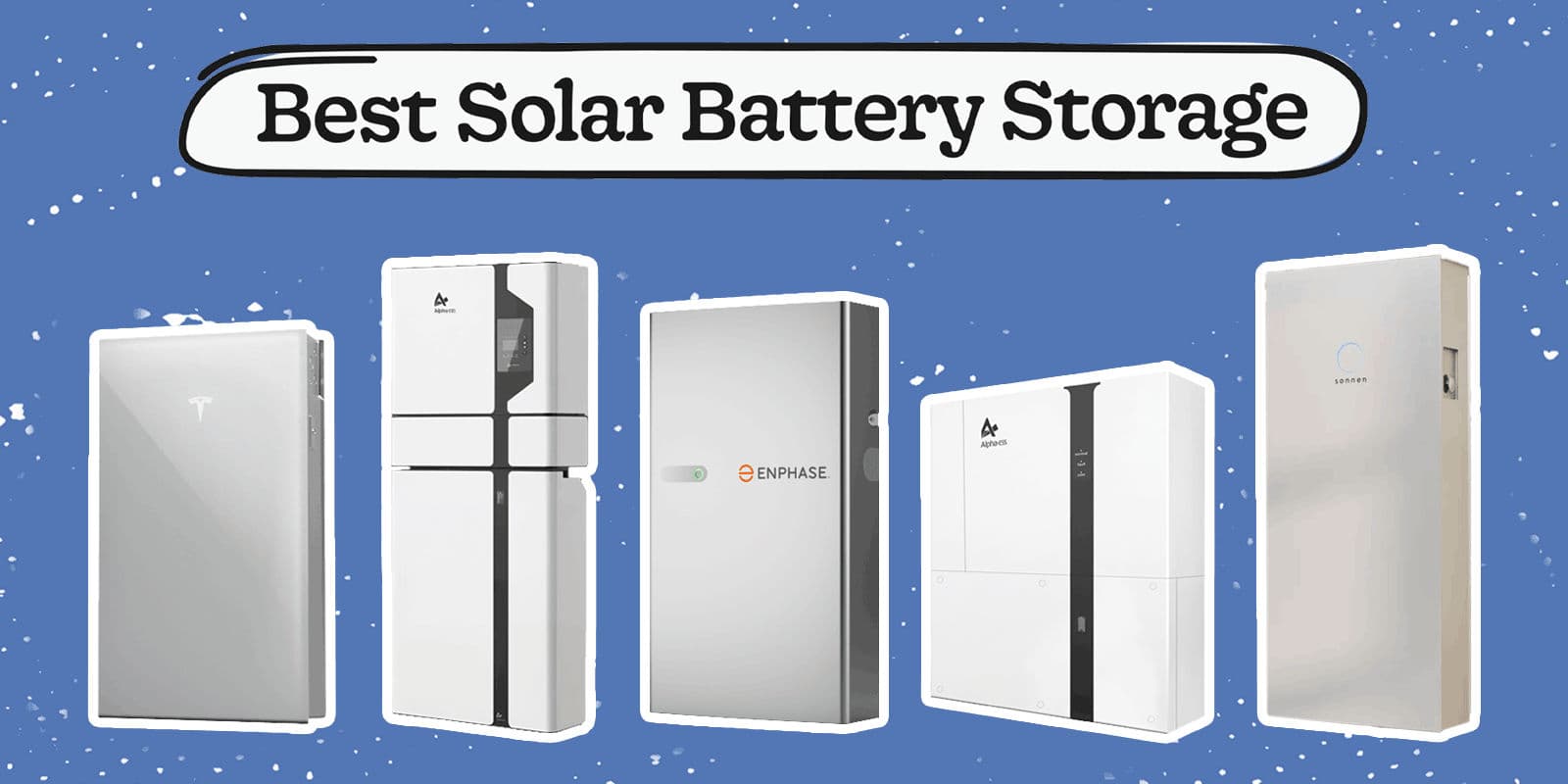
Solar battery storage usually costs around £4,000 to £8,000, depending on the size, brand, usable capacity and installation setup.
A solar battery lets you store electricity generated by your solar panels so you can use it later, usually in the evening when your panels are not generating as much.
Battery setup | Typical cost |
Small battery add-on | £4,000-£5,500 |
Medium battery add-on | £5,500-£7,000 |
Larger premium battery | £7,000-£8,000+ |
Solar panels + battery system | £10,000-£14,000+ |
A battery can increase how much of your own solar electricity you use at home. That can improve bill savings, especially if you use more electricity in the evening.
But a battery does not automatically improve payback. It increases upfront cost, so the financial case depends on:
battery price
usable capacity
household usage pattern
export tariff
electricity prices
whether you can charge on cheaper tariffs
how long you expect to stay in the property
For example, a 4kW solar-only system might cost around £6,500 to £8,500. Add a battery, and the total may rise to around £10,000 to £14,000+.
Sometimes that makes sense. Sometimes it does not. The battery should fit the usage, not just the brochure.
Read more:
Do you need a G99 application?
What affects solar panel installation cost?
There is no single national “solar price” because roofs insist on being different.
The main things that move the quote up or down are:
1. System size
Bigger systems cost more overall, but often less per kW installed.
2. Panel efficiency
Higher-efficiency panels tend to cost more, but they can make sense on smaller roofs where space is tight.
3. Roof shape and access
A simple, accessible roof is cheaper to work on than a steep, awkward, many-angled one that looks like it was designed by a stressed-out architect on a deadline.
4. Scaffolding
This is a big one. Some installers treat scaffolding like a surprise subscription fee.
Heatable includes it in the quote, which matters because scaffolding can easily add hundreds of pounds to the job.
5. Inverter and battery choice
Premium kit costs more upfront, but can offer better performance, monitoring or warranty terms.
6. Location
Labour rates vary. Install costs in London and the South East are usually higher than in other regions.
🏡 Case Study: A Real Solar Installation
Case study: See how one Heatable customer saved £750/year with a 4.0 kWp system and battery in our detailed Q&A.
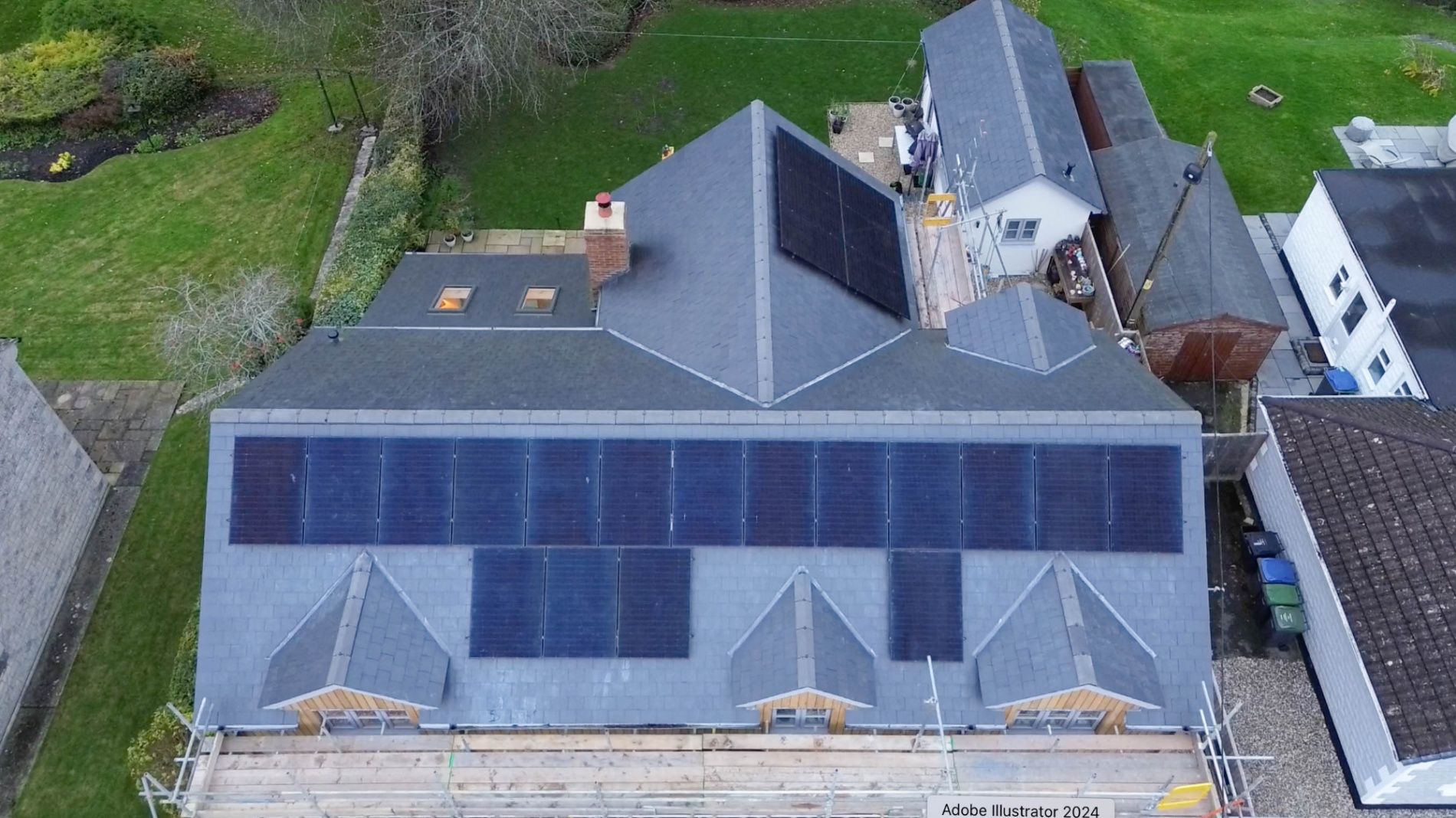
The image above shows a 23-panel solar installation, carried out by the MCS-certified solar team at Heatable, featuring the REA Fusion2 solar panels.
How much can solar panels save you?
For a typical UK home, a 4kW system might reduce annual electricity costs by around £400 to £650, before export payments.
Add a battery, and some homes may push total value from bill reduction plus export income closer to £500 to £850 a year.
The exact number depends on:
how much electricity you use
when you use it
whether you are at home during the day
whether you add a battery
your SEG export tariff
where you live in the UK
This is why two houses with the same system can see very different results. One family is home all day, using their own solar as it is generated.
The other exports half of it, then buys electricity back in the evening. Same roof, different maths.
Try it yourself: Use our Solar Energy Calculator to estimate savings based on your location and usage.
Solar savings should be judged against the Ofgem price cap
This bit matters.
A lot of solar content online still leans on old energy-price framing.
In 2026, the consumer reference point is the Ofgem energy price cap, not the old Energy Price Guarantee.
Ofgem says the cap for a typical dual-fuel household paying by Direct Debit was £1,758 per year from 1 January to 31 March 2026, then £1,641 per year from 1 April to 30 June 2026.
That does not mean every home pays exactly that amount. It is a benchmark based on typical household use. But it is still the right frame of reference when discussing likely savings.
What should you know before buying solar? Have a flat roof? Read all about flat roof solar and if you have a conservatory, it is possible to have solar on a conservatory roof too.
What is the Smart Export Guarantee and how much can you earn?
The Smart Export Guarantee (SEG) pays households for exporting excess solar electricity back to the grid.
Ofgem requires larger licensed suppliers to offer a tariff, but the market is not fixed-rate - suppliers are free to set their own prices and tariff structures.
In simple terms: the amount you earn can vary a lot.
That is why it is risky to write “you will earn X per year” as if it is universal. Some tariffs are generous, some are just polite.
The best-value system is often not the one that exports the most, but the one that helps you use more of your own solar at home.
How long does it take for solar panels to pay back?
For most homes, solar payback lands somewhere around 9 to 14 years for solar-only, and often 10 to 16 years with a battery.
That depends on:
upfront price
how much of your solar you use at home
your export tariff
electricity prices over time
whether finance is involved
Example:
A £7,500 solar-only system saving £600 per year has a simple payback of around 12.5 years
A £12,000 solar-plus-battery system delivering £800 per year lands closer to 15 years
That may sound long, but most quality solar panels are designed to last far longer than that. The key is to avoid overselling the best-case scenario. Solar works best when the numbers are honest.
Are solar panels worth it in the UK in 2026?
For many households, yes.
Solar panels are usually worth it in 2026 if:
you expect to stay in the property for a number of years
your roof is suitable
your daytime electricity use is decent
your quote is sensible
you are not overpaying for a battery you do not need
They tend to make the least sense when:
the roof is heavily shaded
usable roof space is limited
the install cost is unusually high
you may move soon
the system has been oversized for your usage
So the answer is not “always.” But for a lot of UK homes, solar has now moved from “nice green idea” to “serious household upgrade.”
Grants, VAT and funding for solar panels in 2026
There is no universal UK-wide “free solar grant” for everyone. But there are still schemes that may help some households.
0% VAT
Eligible solar panel and battery installs remain zero-rated for VAT until 31 March 2027, then move to 5% from 1 April 2027.
ECO4
The Energy Company Obligation (ECO4) may help eligible lower-income households living in less energy-efficient homes, though eligibility is conditional and not every household will qualify.
GOV.UK says owner-occupied homes typically need an EPC of D to G, while private rented homes usually need E to G, alongside benefit or qualifying criteria.
Warm Homes: Local Grant (England)
In England, the Warm Homes: Local Grant offers free energy-saving improvements to eligible households through local authorities.
GOV.UK says it is aimed at lower-income households in privately owned or privately rented homes, generally with EPC ratings from D to G.
Nest (Wales)
In Wales, Nest can provide free home energy improvements for eligible households, including solar panels as part of the package.
Scotland
In Scotland, funding routes are different. Home Energy Scotland says standard solar PV and energy storage systems are not available through its main Grant and Loan product, though other support and funding routes may exist depending on the measure and household circumstances.
What’s included in a solar installation quote?
A proper quote should usually include:
solar panels
inverter
mounting system
electrical components and wiring
labour
commissioning and certification
scaffolding
MCS-compliant installation
If scaffolding is not clearly included, ask. Seriously. Ask twice.
Is your home suitable for solar?
Solar works best when you have:
a roof with decent sun exposure
limited shading
enough usable roof space
a structure in good condition
household electricity use that matches the system size
South-facing roofs are not the only option. East- and west-facing roofs can still work well.
What matters more is whether the system is designed properly for your home instead of copied and pasted from someone else’s.
💬 “The smoothest install process I’ve ever had” – Phil Broadhurst - Actual Heatable customer (not just someone from marketing).
Why choose Heatable for solar?
Because getting a solar quote should not feel like joining a timeshare presentation.
With Heatable, you get:
fixed-price quotes
scaffolding included
MCS-certified installation
flexible finance options
bespoke system design
premium kit options
a faster, cleaner quoting experience than the usual industry faff
And most importantly, you get pricing that is built for actual homeowners, not just glossy brochures and vague promises.
Quick check: Use our roof suitability guide to see if solar is right for your home.
Final word
Solar panel costs in the UK are not pocket change, but they are now far more competitive than many homeowners assume.
For most households, the realistic number is £6,500 to £8,500 for a standard 4kW system, with battery-backed systems more often costing £10,000 to £14,000.
The best solar setup is not the biggest one, or the one with the flashiest brochure. It is the one that fits your roof, your usage, and your budget - while giving you a fair shot at long-term bill savings.
Next Steps for Your Solar Journey:
Check eligibility for ECO4 or other grants via your energy supplier or our funding guide).
Assess your roof using our solar suitability tool.
Get a free quote: Answer a few questions for up to 4 tailored, no-obligation quotes from MCS-certified installers. Start now.
Explore more:
Head to our solar advice hub or YouTube channel for expert tips and real customer stories.