
If you're a UK homeowner eyeing up ways to cut energy bills and shrink your carbon footprint, chances are you've ended up in the solar panels vs wind turbines rabbit hole.
- What's the difference between solar panels and wind turbines?
- Solar panels: pros and cons for UK homes
- Wind turbines: pros and cons for UK homes
- Cost comparison: solar panels vs wind turbines in the UK
- Which saves more money?
- Which is easier to install and maintain?
- Planning permission and practical considerations
- Why solar is the default choice for UK homes
- Which option is best for most UK homes?
Fair enough - both promise clean, free electricity. The reality, as ever, is a bit more nuanced.
Solar panels quietly get on with the job on most UK rooftops - no planning drama, no neighbours filing complaints about the noise.
Small wind turbines can genuinely work, but you'll need the right plot, the right wind speeds, and a fairly high tolerance for the planning process.
In this guide, we'll put both options through their paces for British homes - covering real-world costs, how they actually perform under our famously grey skies, installation practicalities, planning rules, and long-term savings, all based on 2026 figures. By the end, you'll know which one actually makes sense for your home.
PS We offer MCS-certified solar panel installation nationwide. Simply answer these questions, get your fixed price and arrange your free design.
What's the difference between solar panels and wind turbines?
Solar panels (also called solar PV) convert sunlight into electricity via photovoltaic cells on your roof.
They don't need blazing sunshine to work - diffuse light on an overcast day does the job too, which is just as well given the British climate.
Small domestic wind turbines spin blades in the breeze to drive a generator. Simple enough in theory, but they need consistent, strong wind - typically averaging at least 5 m/s - and perform best on tall freestanding poles or well-exposed rooftops. In other words, a breezy hillside in Scotland rather than a semi in Slough.
Both can power your home directly, export any surplus to the grid via the Smart Export Guarantee (SEG), or feed into a battery for when the sun sets and the wind drops.
The difference is in how realistically either option fits a typical UK property - and that's where things get interesting.
Quick comparison table:
Aspect | Solar Panels | Small Wind Turbines |
Typical system size | 3–6 kW (rooftop) | 1–5 kW (roof or pole-mounted) |
Upfront cost (2026) | £6,500–£9,000 (4 kW typical) | £10,000–£30,000+ (highly variable) |
Annual output (typical UK home) | 3,000–5,000 kWh | 1,000–5,000 kWh (very site-dependent) |
Maintenance | Very low (cleaning only) | Higher (moving parts) |
Best location | Most roofs (south-facing ideal) | Exposed rural sites only |
Planning permission | Usually not needed | Often required |
Noise & visual impact | Minimal | Noticeable |
Lifespan | 25–30+ years | 15–20 years (with regular servicing) |
Solar panels: pros and cons for UK homes
The pros:
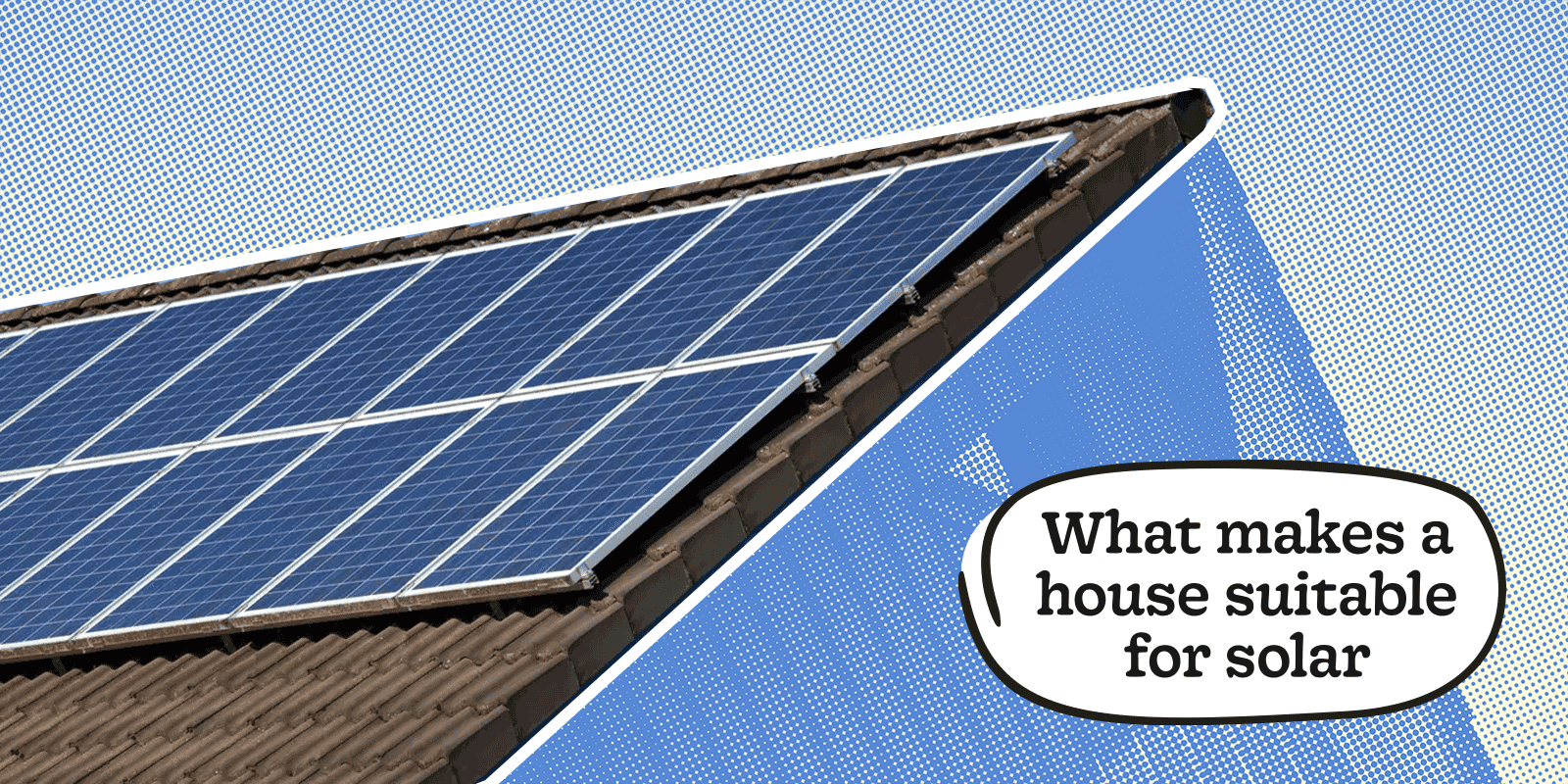
Rooftop-friendly. No extra land, no awkward planning conversations. Most UK homes have enough south-, east-, or west-facing roof space to make solar work.
Virtually maintenance-free. No moving parts means very little to go wrong. A quick annual clean - or honestly, just a decent downpour - usually keeps things ticking along.
More reliable than you'd think. Modern panels handle the UK's grey skies better than most people expect. 2025 was the sunniest year on record, and solar output hit new highs across the country - but even in a typical damp British year, the numbers stack up.
Genuine savings. A standard 4 kW system can cover a substantial portion of a household's 2,700 kWh annual electricity use, cutting bills by £500–£1,200 a year depending on how much you self-consume and what you export via the SEG (currently 4–15p/kWh, or more on premium tariffs).
Plays well with others. Pair solar with battery storage or an air source heat pump and you're really cooking - self-use goes up, heating bills go down, and the whole setup starts feeling rather smug.
The cons:
Upfront costs aren't trivial, though prices have dropped significantly in recent years.
Heavy shading or a north-facing roof will dent your output more than a passing cloud ever could.
Winter generation dips just when demand peaks - though a battery helps smooth that out.
For the vast majority of UK homes, solar is the low-drama, high-reward option. The cons are real, but manageable.
Wind turbines: pros and cons for UK homes
The pros:
Doesn't clock off when the sun does. Wind turbines can generate power at night and through winter, which is genuinely useful when solar output is at its lowest.
Can really deliver in the right spot. Coastal locations and open countryside can see strong, consistent winds - and in those conditions, a well-sited turbine can put up impressive numbers.
Suits larger rural plots. If you've got the land for a tall, pole-mounted turbine well clear of buildings and trees, you're in with a real shot.
The cons:
Most UK homes simply don't qualify. Turbulence from neighbouring houses, fences, and trees quietly destroys performance. If you're in a suburb or a town, the wind data almost certainly isn't on your side.
More expensive, more complicated. A modest system often costs more than an equivalent solar setup - and frequently delivers less.
Moving parts mean ongoing costs. Unlike solar's blissful lack of mechanics, wind turbines need regular servicing. Gearboxes and blades don't fix themselves.
Your neighbours will have opinions. The low hum, the visual impact, the planning application - all of it invites objections. It's rarely a smooth ride.
The truth is, domestic wind turbines are genuinely rare in the UK - and not by accident.
They make sense on exposed rural properties with plenty of land and reliably strong winds. For everyone else, it's a lot of effort for a lukewarm result.
Cost comparison: solar panels vs wind turbines in the UK
Solar panels:
A typical 4 kW system costs £6,500–£8,500 installed in 2026 - VAT is 0% for most homes, so no nasty surprises there.
Add battery storage and the total lands somewhere between £10,000–£14,000.
Payback usually falls in the 6–10 year range through a combination of bill savings and SEG exports. Not instant gratification, but solid, predictable returns.
Small wind turbines
Roof-mounted 1 kW systems start at £2,000–£4,000, which sounds reasonable until you realise how little power they actually produce.
A more useful 2.5–5 kW pole-mounted turbine is a different proposition entirely - think £10,000–£30,000+ once you factor in foundations, cabling, and installation.
And that's before the output lottery kicks in. Unless your site is genuinely exceptional, many owners find the real-world numbers quietly disappointing.
Running costs
This is where solar pulls further ahead. Panels are essentially free to run - no moving parts, no service schedule, no unexpected bills.
Wind turbines need regular maintenance, and when components fail - gearboxes, blades, bearings - repairs aren't cheap.
On pure cost-effectiveness for the average UK home, it's not really a contest.
Which saves more money?
The honest answer: it depends on your electricity use, where you live, and whether you pair your system with battery storage.
But for the average UK home using around 2,700 kWh a year, a well-sited solar setup almost always wins.
You generate power during daylight hours, use most of it yourself, and export whatever's left for a modest but welcome SEG payment. It's not glamorous, but it works - consistently, and with minimal fuss.
Wind can save money, but only in the right rural location with the right wind data to back it up.
For most people, inconsistent output and higher upfront costs stretch the payback period - sometimes to the point where it never quite arrives.
Independent studies and real-world installer feedback tell the same story: solar is the more realistic money-saver for typical UK households.
In short, if you're chasing the best return on your investment, solar isn't just the safer bet - it's usually the smarter one.
Which is easier to install and maintain?
Solar, and it's not particularly close.
A typical installation takes one to two days on most roofs, causes minimal disruption, and is handled by a well-established network of MCS-certified installers.
The whole process is about as straightforward as a significant home improvement gets.
Wind turbines are a different story. Expect groundworks, taller structures, and more complex electrical work before a single watt is generated.
And once it's up, a turbine needs regular professional attention - bearings wear, blades need checking, and things with moving parts have an unfortunate habit of eventually needing fixing.
Solar, by contrast, is blissfully low-maintenance. Most owners never meaningfully interact with their system after installation - the occasional glance to check everything looks intact, and perhaps a rinse-down if the panels get particularly grimy. That's about it.
If hassle-free is on your wish list, solar makes the case for itself pretty convincingly.
Planning permission and practical considerations
Solar panels rarely need planning permission - provided they follow the roof line and you're not in a conservation area or dealing with a listed building, you're generally good to go.
It's one of the few home improvements that doesn't involve a lengthy back-and-forth with your local council.
Wind turbines are a considerably more bureaucratic adventure. In England, small systems can qualify as permitted development, but the rules are specific: no taller than 15 metres total, at least 5 metres of blade clearance from the ground, and nowhere near a conservation area.
Even then, many local authorities will still want a full planning application - particularly for pole-mounted turbines.
Add in neighbour concerns about noise and aesthetics, and you've got a project that can drag on, get scaled back, or quietly die in a committee meeting.
Then there's the space question. Solar needs a decent roof. Wind needs open, elevated exposure with minimal obstructions - the kind of uninterrupted sweep that a suburban back garden almost never provides, and that even many rural plots can't guarantee.
One requires a bit of roof. The other requires the right roof, the right land, the right wind data, and the patience of a planning saint.
Why solar is the default choice for UK homes
The numbers tell the story pretty clearly: over 1.6 million UK homes now have solar panels, with installations hitting record highs in recent years.
Domestic wind turbines? A tiny fraction of that - and the gap isn't closing.
It's not that wind turbines are a bad idea in principle. It's that solar is simply a better fit for how most people actually live - in towns and suburbs, with a roof, a modest budget, and a preference for home improvements that don't require a planning tribunal.
Lower costs, simpler installation, barely-there maintenance, and reliable performance even in famously gloomy British weather.
Throw in falling panel prices, a well-established installer network, and government policy that's nudged things firmly in solar's direction - and you've got a technology that's gone from niche curiosity to sensible default in a remarkably short time.
Which option is best for most UK homes?
For the majority of UK households - towns, cities, suburbs, and most of the countryside in between - solar panels are the clear winner.
Lower installation costs, minimal maintenance, and predictable savings without the planning headaches. It's rarely a difficult call.
Wind turbines still have their moment, but it's a specific one: rural properties with plenty of open land, strong average wind speeds, and no planning obstacles standing in the way.
If that sounds like you, a professional wind assessment is worth doing before committing - the site data will tell you quickly whether it stacks up.
For most people, though, the bigger opportunity isn't solar versus wind - it's building a smarter energy setup altogether.
Start with the basics: loft and cavity insulation to cut what you're wasting.
Add solar panels and battery storage to generate and keep what you produce. Then consider an air source heat pump to take a proper swing at heating bills.
That combination does more for your energy costs - and your carbon footprint - than any single technology on its own.
Conclusion
Solar panels and wind turbines both have a role in the UK’s renewable future, but for typical homes they’re not equal choices.
Solar offers better value, simpler installation, and lower risk for the vast majority of properties. Wind turbines remain a niche option best suited to exposed rural sites.
The smartest move? Focus on what’s realistic for your home.
Get a free site survey, understand your roof orientation and wind resource, and consider pairing renewables with battery storage or a heat pump for maximum impact.
At Heatable, we specialise in home energy upgrades that actually move the needle - no jargon, no overselling, just honest advice on what works for your property and budget.
Whether you're curious about solar panels, battery storage, air source heat pumps, or a combination that tackles your heating bills and running costs in one go, we're here to help you cut through the noise and make a decision you'll feel good about for years to come.
Next Steps For Your Solar Journey:
When planning to install solar panels for your home, there are several important factors to consider. Make sure to refer to the following guides to help you make informed decisions:
To dive deeper into these topics, head over to our advice section, check out our YouTube channel for informative videos, or read a customer case study to see how others have benefited from their solar installation.
Get a Quote for Solar Today
Without boasting you should get your solar installed with us, here's why:
Thousands of Happy Customers: We boast an average score of 4.9 on Trustpilot, outperforming the market leader.
Which? Trusted Trader: Heatable is proudly recognised as a Which? Trusted Trader.
MCS Accredited: Our accreditation by the Microgeneration Certification Scheme (MCS) ensures high-quality standards.
Exclusive Panels: We offer REA Fusion solar panels, available only through Heatable.
Consumer Protection: As members of the HIES consumer code, we provide 2-year deposit protection.
Flexible Payment Options: Choose from multiple payment methods, including finance options.
Fixed Price Guarantee: Enjoy transparency with no hidden costs.
Save Your Quote: You can save your quote and decide later.
Bespoke Design Tool: Draw your own conclusion (literally) on whether solar is worth it for you, here.